3. Generative Art
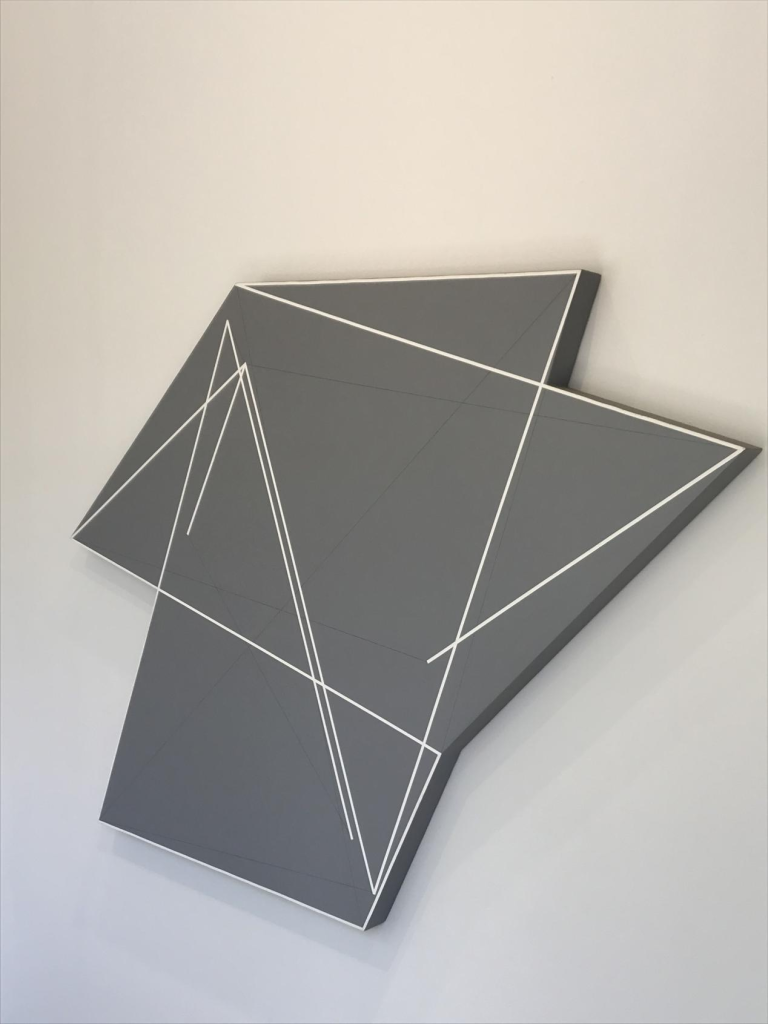
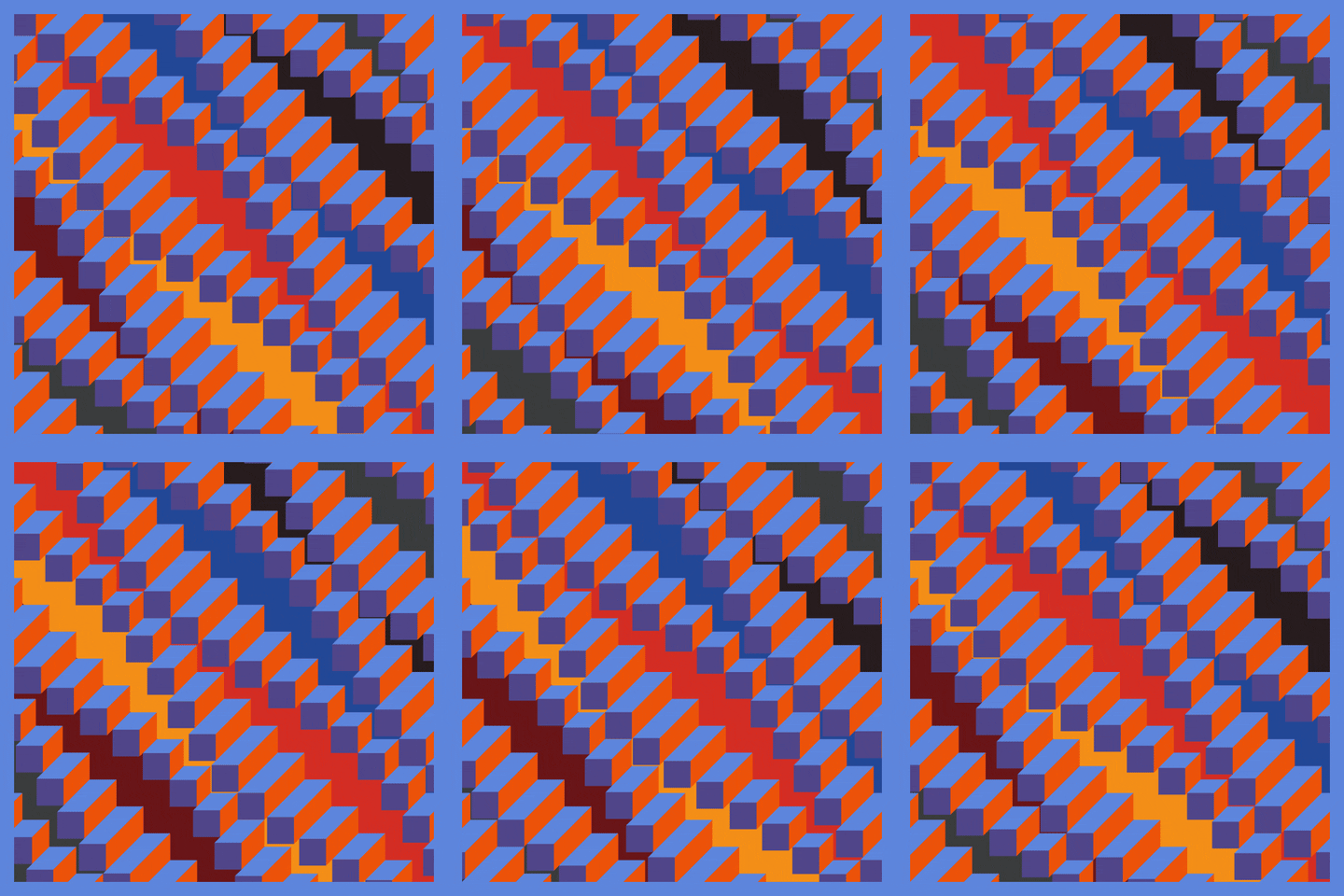
Works by Manfred Moh
Manfred Mohr: A German artist and one of the pioneers of digital art. He...
He began using computers to generate artwork in 1969, combining geometric shapes and algorithms. He used programming languages to create art algorithms to generate complex geometric shapes, lines, and patterns.
Mohr's work highlights the use of digital technology in geometric abstract art, presenting precise and refined compositions and geometric forms.
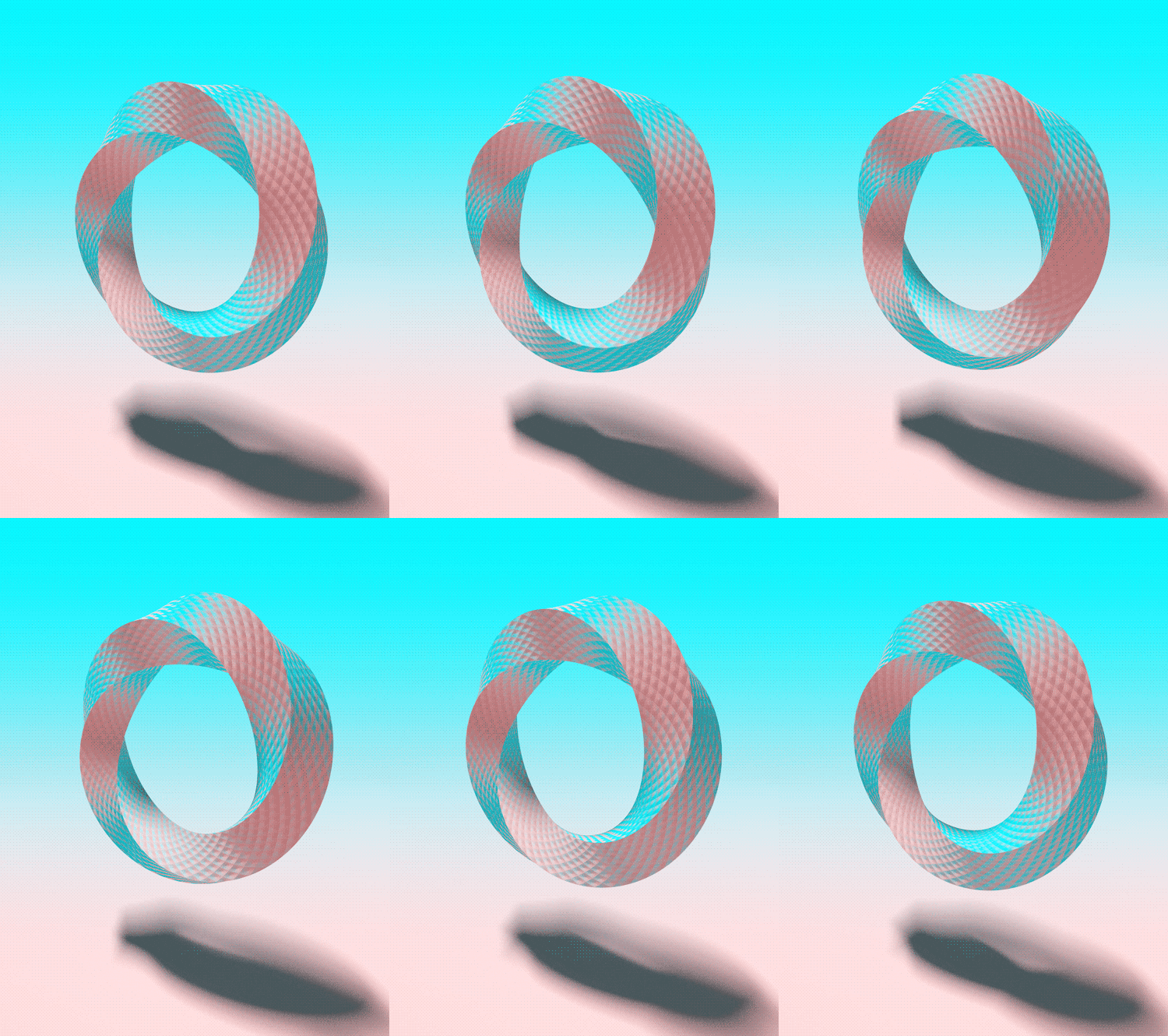
In the development of contemporary art, generative art has become an important technical path for geometric abstract art. Unlike traditional painting, where the artist directly determines each form, generative art generates image structures through rules, algorithms, or parameter systems. Artists no longer simply draw forms on the canvas, but design a system that can automatically generate graphics. In this creative approach, geometric structures, color relationships, and spatial order are no longer the result of a single image, but rather products of the operation of rules.
The core idea of generative art is that "rules precede images." Artists first establish a set of visual rules, such as grid structures, proportional relationships, repetition patterns, or color variations. These rules act like a visual grammar, determining how the graphic grows, expands, or changes. As the system runs, the image continuously generates new combinations according to these rules. Geometric forms are thus no longer fixed patterns, but rather a structural system that can continuously evolve.
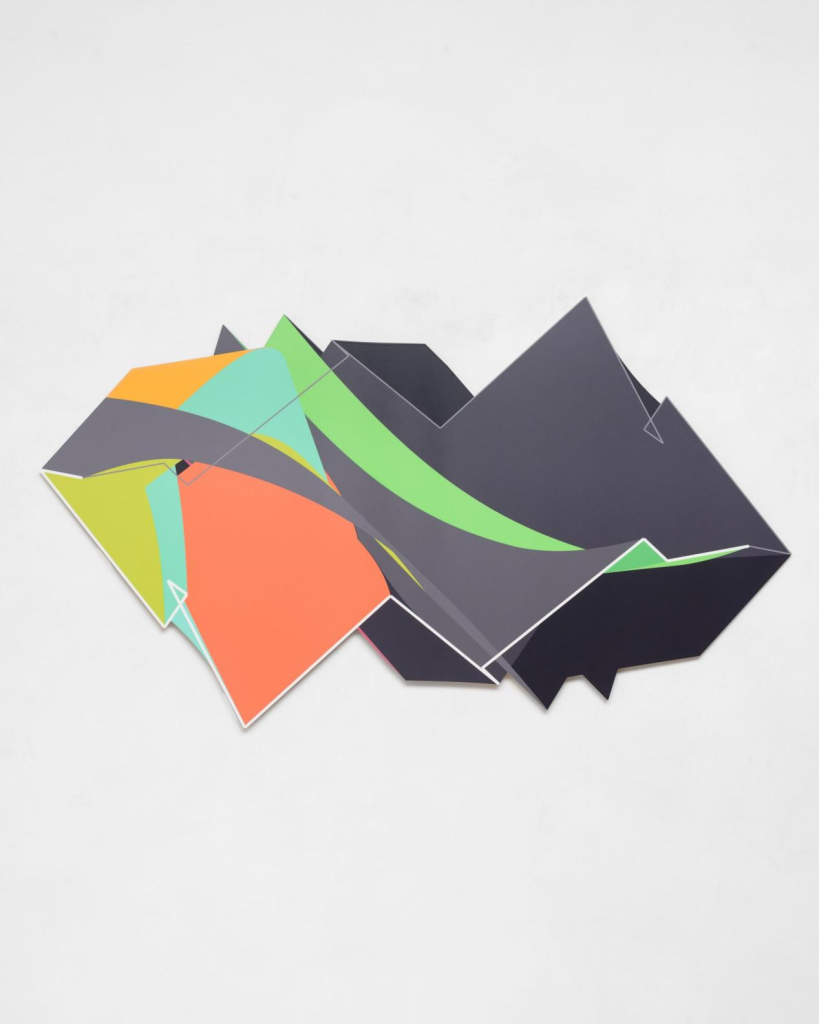
Works by Manfred Moh
In geometric abstract art, generative methods typically begin with basic geometric units, such as simple shapes like squares, circles, triangles, or polygons. Through algorithmic control, these shapes can be arranged in various ways, such as grid distribution, random placement, recursive expansion, or proportional scaling. When these rules are combined, simple geometric units can generate complex and diverse visual structures. These structures often possess a high degree of order while retaining the potential for variation.
Color can also be processed procedurally in generative art. Colors no longer rely on manual selection but change automatically according to set parameters. For example, hue can transition gradually according to the spectral order, brightness can change according to spatial location, and saturation can be adjusted according to shape, size, or density. When these rules work simultaneously, the color structure forms a continuous variation, thus establishing visual rhythm and hierarchical relationships.
Generative art also incorporates "chance" into the visual system. In traditional painting, chance variations typically arise from materials or manual manipulation, while in generative art, random parameters can be integrated into the system design. For example, while maintaining overall structural stability, the position or angle of certain forms can be allowed to change randomly. This method allows the image to maintain both order and diversity, thus avoiding a completely mechanical structure.
The temporal dimension is also a key characteristic of generative art. In the digital environment, generative systems can operate continuously, causing images to constantly change. Geometric forms may gradually expand, rotate, or split, and colors may change over time. This dynamic structure transforms geometric abstract art from static images into a continuously generating visual process. Viewers see not just a completed picture, but an evolving visual system.
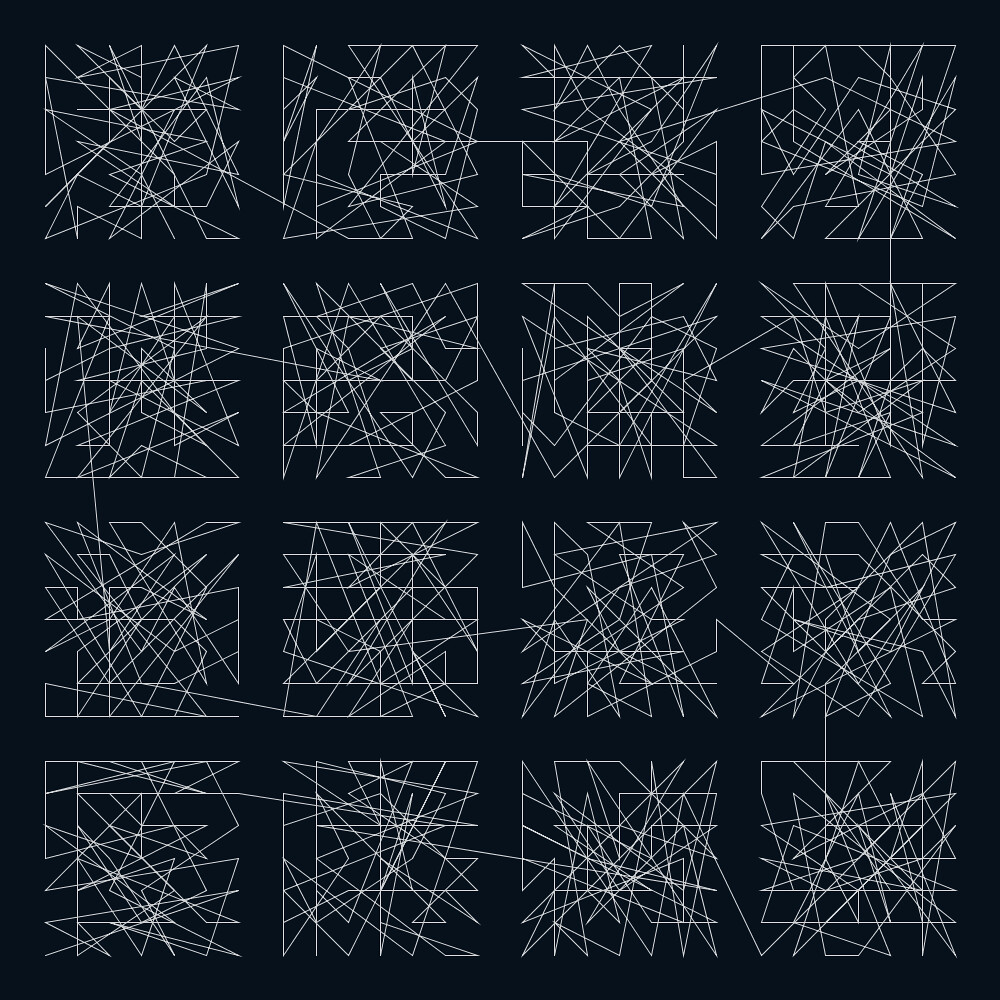
Works by Manfred Moh
Generative art has also changed the role of the artist. In traditional painting, the artist directly controls every line and every color, while in generative art, the artist's task is to design a system of rules. In other words, the artist is more like a system designer, determining how the image is generated through algorithmic structure. The final form of the image may not be entirely predictable, but rather a result of the system's operation.
This approach brings geometric abstract art closer to mathematical structures and information systems. Proportional relationships, symmetrical structures, recursive patterns, and network structures can all become part of the generative rules. Through these rules, visual structures can continuously evolve, forming complex yet unified image systems.
From a media perspective, generative art typically relies on computer programs, graphics software, or algorithmic systems. Artists can use programming languages or visual software to establish generative rules, and then present their works through screen displays, digital printing, or interactive installations. This media system allows geometric abstract art to find new avenues for development in the digital environment.
Therefore, in the context of contemporary digital technology, generative art offers a new technological path for geometric abstract art. Through rule systems, algorithmic structures, and parameter variations, geometric forms and color relationships can continuously generate new combinations. The artwork is no longer just a fixed image, but a continuously operating visual system. It is within this systematized structure that geometric abstract art acquires new media forms and expressive possibilities.
Lesson D-3: Generative Art (Click to view and listen to the reading)
In the development of contemporary art, generative art has become an important technical path for geometric abstract art. Unlike traditional painting, where the artist directly determines each form, generative art generates image structures through rules, algorithms, or parameter systems. Artists no longer simply draw forms on the canvas, but design a system that can automatically generate graphics. In this creative approach, geometric structures, color relationships, and spatial order are no longer the result of a single image, but rather the product of the operation of rules. The core idea of generative art is "rules precede image." Artists first establish a set of visual rules, such as grid structures, proportional relationships, repetition patterns, or color variation rules. These rules act like a visual grammar, determining how graphics grow, expand, or change. When the system begins to run, the image continuously generates new combinations according to these rules. Geometric forms are therefore no longer fixed patterns, but a continuously evolving structural system. In geometric abstract art, generative methods typically start with basic geometric units, such as simple shapes like squares, circles, triangles, or polygons. Through algorithmic control, these forms can be arranged in different ways, such as grid distribution, random positions, recursive expansion, or proportional scaling. When these rules are combined, simple geometric units can generate complex and diverse visual structures. These structures often possess a high degree of order while retaining the potential for variation. Color can also be procedurally processed in generative art. Colors no longer rely on manual selection but change automatically according to set parameters. For example, hue can gradually transition according to the spectral order, brightness can change according to spatial location, and saturation can be adjusted according to the size or density of the form. When these rules act simultaneously, the color structure forms continuous changes, thus establishing visual rhythm and hierarchical relationships. Generative art also makes "chance" part of the visual system. In traditional painting, chance changes usually come from materials or manual operations, while in generative art, random parameters can be incorporated into the system design. For example, while maintaining the stability of the overall structure, the position or angle of some forms can be randomly changed. This method makes the picture both orderly and diverse, thus avoiding a completely mechanical structure. The temporal dimension is also an important feature of generative art. In a digital environment, generative systems can run continuously, causing images to constantly change. Geometric forms may gradually expand, rotate, or split, and colors may also change over time. This dynamic structure transforms geometric abstract art from static images into a continuously generating visual process. Viewers see not just a finished image, but an ever-evolving visual system. Generative art also changes the role of the artist. In traditional painting, the artist directly controls every line and every color; in generative art, the artist's task is to design a system of rules. In other words, the artist is more like a system designer, determining how the image is generated through algorithmic structures. The final form of the image may not be entirely predictable, but rather a result of the system's operation. This approach brings geometric abstract art closer to mathematical structures and information systems. Proportional relationships, symmetrical structures, recursive rules, and network structures can all become part of the generative rules. Through these rules, visual structures can continuously evolve, forming complex yet unified image systems. From a media perspective, generative art typically relies on computer programs, graphics software, or algorithmic systems. Artists can use programming languages or visual software to establish generative rules, and then present their works through screen displays, digital printing, or interactive installations. This media system allows geometric abstract art to gain new development space in the digital environment. Therefore, in the context of contemporary digital technology, generative art provides a new technological path for geometric abstract art. Through rule systems, algorithmic structures, and parameter variations, geometric forms and color relationships can continuously generate new combinations. A work of art is no longer just a fixed image, but a continuously operating visual system. It is within this systematized structure that geometric abstract art acquires new media forms and expressive possibilities.
 简体中文
简体中文  English
  日本語
日本語  Español
  Français
  हिन्दी
  العربية
  বাংলা
বাংলা  Português do Brasil
  Русский
  اردو
اردو  Bahasa Indonesia
  Deutsch
  Kiswahili
  मराठी
मराठी  తెలుగు
  Tiếng Việt
  Türkçe
  Italiano
  தமிழ்
தமிழ்  한국어
한국어