
14. Color can be systematically trained and analyzed.
Johannes Itten
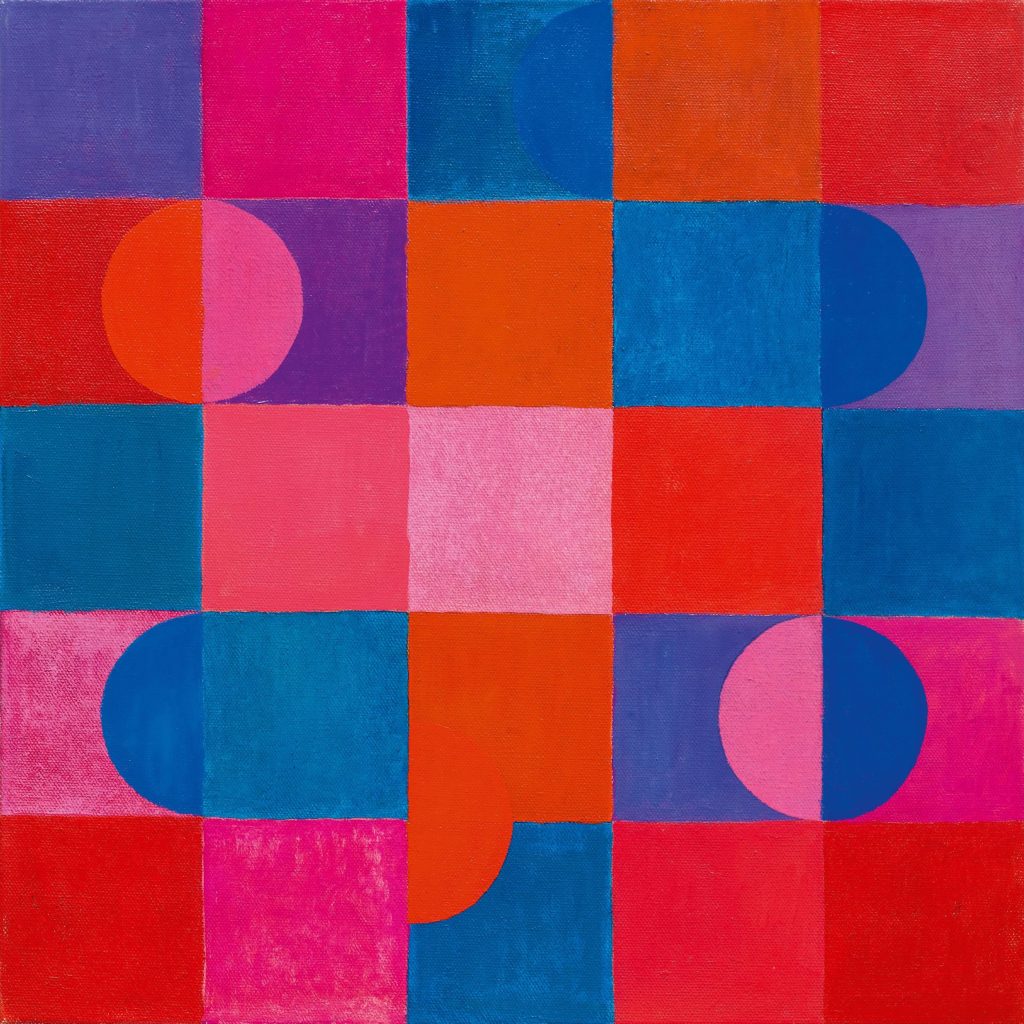
In the development of modern art education in the 20th century, Johannes Itten established a systematic theory and teaching method for color. He believed that color is not an artistic experience that can only rely on talent or intuition, but a visual language that can be gradually mastered through training and analysis. Through a systematic approach, people can understand the relationships between colors and more consciously apply color structure in their creations. Therefore, in Itten's theory, color is both a perceptual experience and a visual system that can be studied and trained.
Itten's color research emphasizes observation, comparison, and practice. He believes that while human color perception has subjective factors, there are still analyzable patterns. For example, different colors create contrast, the brightness and saturation of colors affect visual effects, and the area ratio of colors alters overall balance. These phenomena do not occur randomly but can be understood through systematic research.
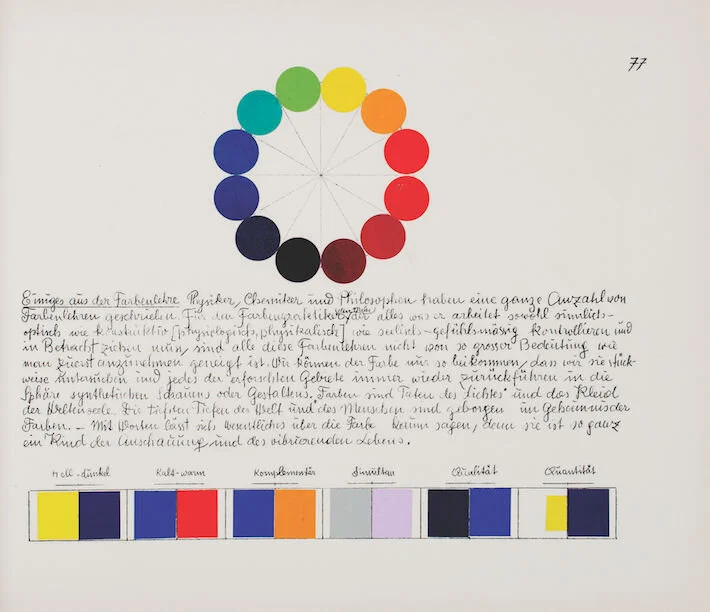
To help students understand color structure, Itten introduced methods of color analysis in his teaching. The most famous of these is the color wheel system. By organizing colors in a circular structure according to their spectral order, students can clearly see the relationships between different colors, such as adjacent colors, complementary colors, and composite colors. The color wheel is not only a visual tool but also an analytical structure that enables people to understand how colors interact.
Johannes Itten
Building upon this foundation, Itten further proposed seven theories of color contrast. These contrasts include hue contrast, value contrast, warm/cool contrast, complementary color contrast, chroma contrast, simultaneity contrast, and area contrast. Each contrast reveals a relationship mechanism between colors. For example, value contrast emphasizes the difference in lightness or darkness of colors, complementary color contrast emphasizes the relationship between colors in relative positions on the color wheel, and area contrast focuses on the proportional balance of different colors in an image. Through these analytical methods, students can systematically understand how color produces visual effects.
In Itten's teaching system, practice is a crucial way to understand color. Students typically experience different color relationships through colored paper collages, mixed color exercises, and color contrast experiments. For example, they observe the changes in mixed colors by mixing different pigments, perceive the balance of an image by adjusting the area of colors, and observe visual illusions by changing the background color. These exercises not only train observation skills but also help students gradually develop a sensitivity to color relationships.
Itten also emphasizes that color training is not just about technical practice, but also about cultivating visual perception. Through repeated experimentation, students can gradually discover the patterns between different colors. For example, some color combinations produce strong contrasts, while others create smooth transitions. Through this accumulation of experience, people can more accurately judge the relationships between colors.
This systematic training approach has revolutionized traditional art education. In many traditional painting classes, color learning often relies on imitation or personal experience, lacking a clear structure. Itten, however, transforms color learning into an analytical and practical process. Students not only learn to use colors but also understand the mechanisms governing the relationships between them.
Johannes Itten
Furthermore, Itten's color theory also has interdisciplinary significance. Color analysis is not only applicable to painting but also widely used in design, architecture, visual communication, and other fields. In these fields, designers need to systematically arrange color relationships to create a clear visual structure. For example, highlighting key elements through contrast, establishing harmony through color synthesis, and maintaining visual balance through area proportions. These methods all demonstrate that color can be analyzed and trained.
From a deeper perspective, Itten's theory embodies a modern vision of visual education. He argues that art learning is not only about personal expression but also a form of cognitive training. Through a systematic approach, people can improve their understanding of visual structure, transforming color from intuitive experience into a comprehensible language.
Therefore, in Johannes Itten's color theory, color is not a mysterious or uncontrollable artistic element, but a visual structure that can be gradually understood through systematic training and analysis. Through the color wheel system, contrast theory, and practical exercises, people can grasp the rules of color relationships, thereby more consciously using the language of color in artistic creation and visual design.

Lesson C-14: Color can be systematically trained and analyzed. Click to view and listen to the reading.
In the development of modern art education in the 20th century, Johannes Itten established a systematic theory and teaching method for color. He believed that color is not an artistic experience that can only rely on talent or intuition, but a visual language that can be gradually mastered through training and analysis. Through a systematic approach, people can understand the relationships between colors and more consciously apply color structure in their creations. Therefore, in Itten's theory, color is both a perceptual experience and a visual system that can be studied and trained. Itten's color research emphasized observation, comparison, and practice. He believed that although human perception of color has subjective factors, there are still analyzable patterns. For example, different colors create contrast, the brightness and purity of colors affect visual effects, and the area ratio of colors changes the overall balance. These phenomena do not occur randomly but can be understood through systematic study. To help students understand color structure, Itten proposed methods of color analysis in his teaching. The most famous of these is the color wheel system. By organizing colors into a circular structure according to the spectral order, students can clearly see the relationships between different colors, such as adjacent relationships, complementary color relationships, and composite color relationships. The color wheel is not only a visual tool but also an analytical structure that enables people to understand how colors interact. Building on this, Itten further proposed seven theories of color contrast. These contrasts include hue contrast, value contrast, warm/cool contrast, complementary color contrast, chroma contrast, simultaneous contrast, and area contrast. Each contrast reveals a relationship mechanism between colors. For example, value contrast emphasizes the difference in lightness or darkness of colors, complementary color contrast emphasizes the relationship between colors in relative positions on the color wheel, and area contrast focuses on the proportional balance of different colors in an image. Through these analytical methods, students can systematically understand how color produces visual effects. In Itten's teaching system, practice is a crucial pathway to understanding color. Students typically experience different color relationships through color paper collages, mixed color exercises, and color contrast experiments. For example, they observe the changes in mixed colors by mixing different pigments, perceive the balance of an image by adjusting the area of colors, and observe visual illusions by changing the background color. These exercises not only train observation skills but also help students gradually develop sensitivity to color relationships. Itten also emphasizes that color training is not just technical practice but also includes cultivating visual perception. Through repeated experiments, students can gradually discover the patterns between different colors. For example, some color combinations create strong contrasts, while others form smooth transitions. Through this accumulation of experience, people can more accurately judge the relationships between colors. This systematic training method changes the traditional art education model. In many traditional painting teachings, color learning often relies on imitation or personal experience, lacking a clear structure. Itten transforms color learning into an analytical and practical process. Students not only learn to use colors but also understand the mechanisms of relationships between them. Furthermore, Itten's color theory has interdisciplinary significance. Color analysis is not only applicable to painting but also widely used in design, architecture, visual communication, and other fields. In these fields, designers need to systematically arrange color relationships to form a clear visual structure. For example, highlighting key points through contrast, establishing harmony through color synthesis, and maintaining visual balance through area proportions. These methods all demonstrate that color can be analyzed and trained. From a deeper perspective, Itten's theory embodies a modern visual education concept. He believes that art learning is not only personal expression but also a form of cognitive training. Through a systematic approach, people can improve their understanding of visual structure, transforming color from intuitive experience into a comprehensible language. Therefore, in Johannes Itten's color theory, color is not a mysterious or uncontrollable artistic element, but a visual structure that can be gradually understood through systematic training and analysis. Through the color wheel system, contrast theory, and practical exercises, people can grasp the rules of color relationships, thereby more consciously using the language of color in artistic creation and visual design.
 简体中文
 English
 日本語
 Español
 Français
 हिन्दी
 العربية
 বাংলা
 Português do Brasil
 Русский
 اردو
 Bahasa Indonesia
 Deutsch
 Kiswahili
 मराठी
 తెలుగు
 Tiếng Việt
 Türkçe
 Italiano
 தமிழ்
 한국어