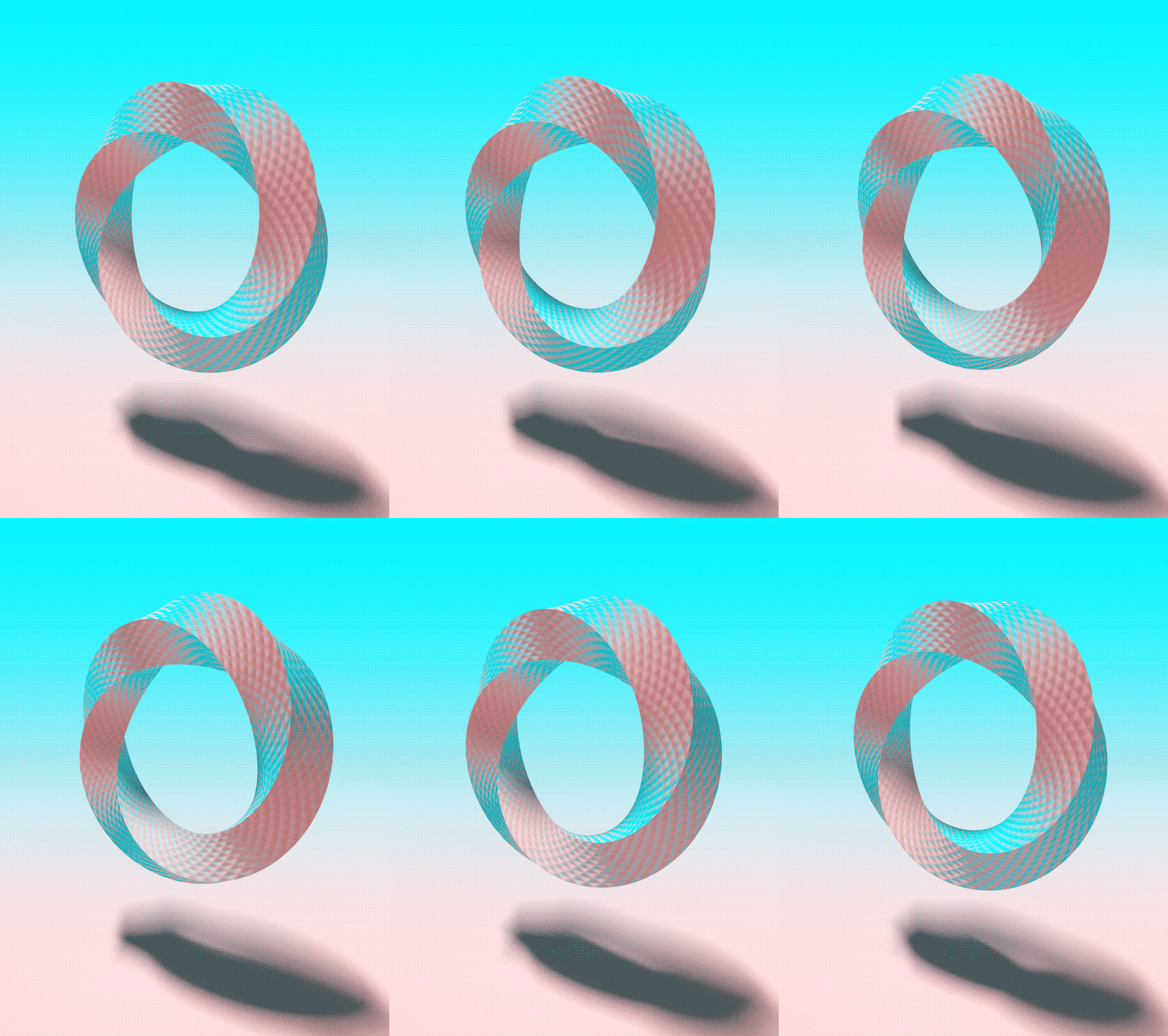
1. Digital painting
In the development of contemporary art, digital technology has provided new media systems and technological conditions for geometric abstract art. Unlike traditional painting, which relies on canvas, paint, and hand tools, digital painting, through computer software, graphics algorithms, and screen display technology, allows geometric forms, color relationships, and structural systems to be constructed and adjusted in a more precise and flexible way. Digital media has not only changed the way creation is done but has also expanded the expressive possibilities of geometric abstract art.
First, digital painting offers a high degree of precision in form construction. Traditional geometric abstract art often relies on rulers, grids, or templates to ensure accurate proportions, while digital painting software can directly generate precise geometric shapes using vector graphics, coordinate systems, and grid tools. For example, squares, circles, polygons, or complex grid structures can be quickly created with simple operations and precisely adjusted as needed. This technology allows artists to focus more on the study of form relationships and structural order.
Secondly, digital media allows for greater flexibility in color control. In traditional painting, color adjustments often rely on pigment mixing, making changes difficult once the painting is complete. In digital painting, however, colors can be modified at any time. For example, color value systems allow for precise control of hue, value, and saturation, and rapid testing of different color combinations. This editability enables artists to explore color relationships more systematically, such as warm/cool contrasts, complementary colors, or gradient structures, thus creating more complex visual order.
Digital painting also offers new methods for the repetition and variation of geometric structures. Computer software can easily copy, rotate, scale, or arrange graphics, enabling the generation of complex structures in a short time. For example, large-scale repetitive structures can be created through grid copying, and transformation tools can change the proportions and orientation of graphics. These techniques allow artists to study the rhythmic relationships and spatial structures between forms, thereby forming a systematic visual language.
Furthermore, digital painting connects geometric abstract art with algorithmic structures. Through simple procedures or parameter settings, graphics can be automatically generated according to rules. For example, some graphics may gradually change according to a fixed proportion, or be arranged in a regular pattern according to a coordinate system. This method shifts artistic creation from the production of individual images to system generation, giving geometric abstract art a more pronounced structure and logic.
Digital media has also transformed how pictorial space is presented. In traditional painting, works typically exist in a fixed pictorial form, while digital paintings can be presented through screen display, dynamic changes, and even interactive methods. For example, through gradual animation or parameter changes, geometric structures can visually create a sense of movement. Viewers not only see static structures but also experience the process of visual change.
In contemporary art practice, digital painting is often combined with other media, such as digital printing, projection art, or screen installations. Artists can first create geometric structures in a digital environment and then output the work through different media. This cross-media approach makes geometric abstract art more diverse in form and also expands the exhibition space of the works.
From a deeper perspective, digital painting brings geometric abstract art closer to a systematic visual language. Form, color, and proportion can be considered fundamental parameters, generating rich structures through different combinations. Artists are not only creating images but also designing visual systems. This approach forms a close connection with modern design, information visualization, and algorithmic art.
Therefore, within the technological and media systems of contemporary art, digital painting offers a new path for the development of geometric abstract art. Through precise form construction, flexible color control, structural replication, and algorithmic generation, digital technology expands geometric abstract art from traditional hand-painted art into a systematic visual practice. In this new media environment, geometric abstraction not only retains its rational structural characteristics but also gains a broader space for expression.
Jean-Pierre Herbert is a French-American artist best known for his work in digital and generative art. His background in mathematics and computer science has greatly influenced his artistic practice. Herbert is known for using algorithms and computer programs to create complex and captivating combinations of geometry and abstraction. His work often explores the intersection of technology, mathematics, and art, pushing the boundaries of digital media.
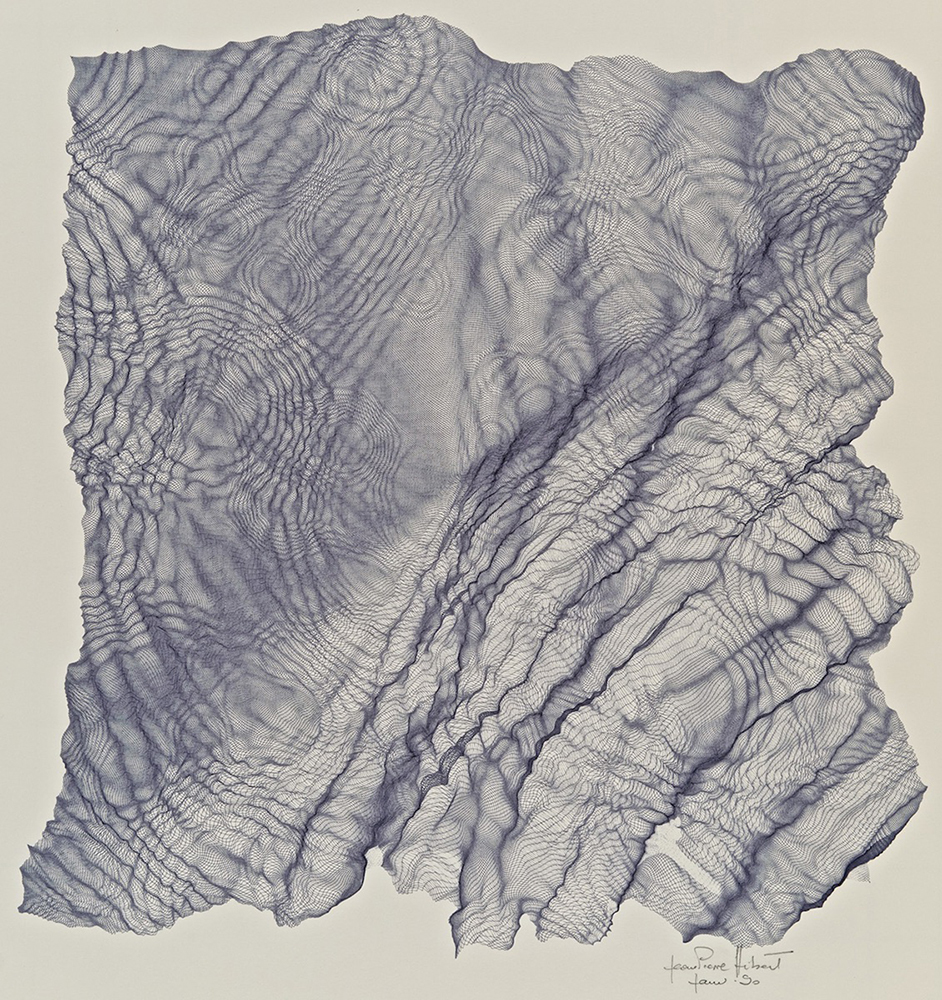
Works by Jean-Pierre Hébert
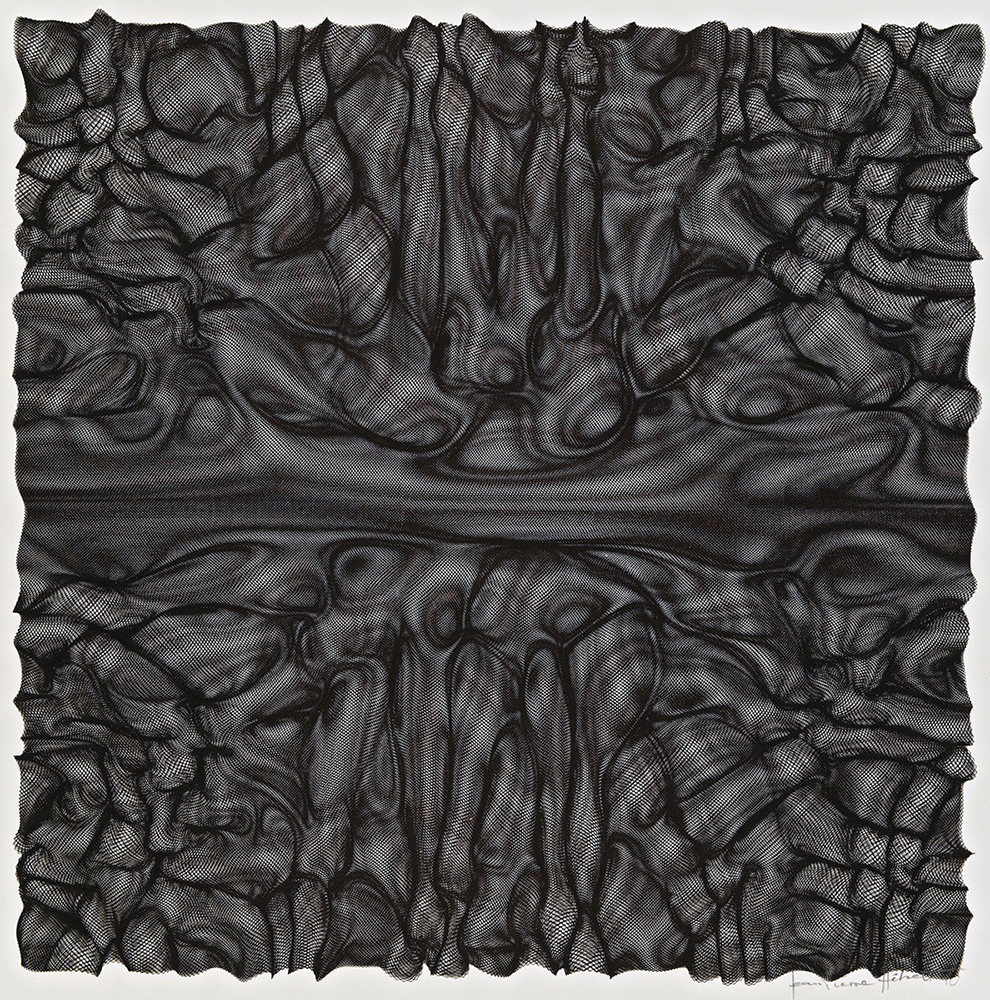
Works by Jean-Pierre Hébert
Kim Arsendorf
Kim Asendorf: Kim Asendorf is a German artist and programmer whose work combines digital painting and new media art. His work features combinations of geometric shapes and patterns, creating unique digital paintings.
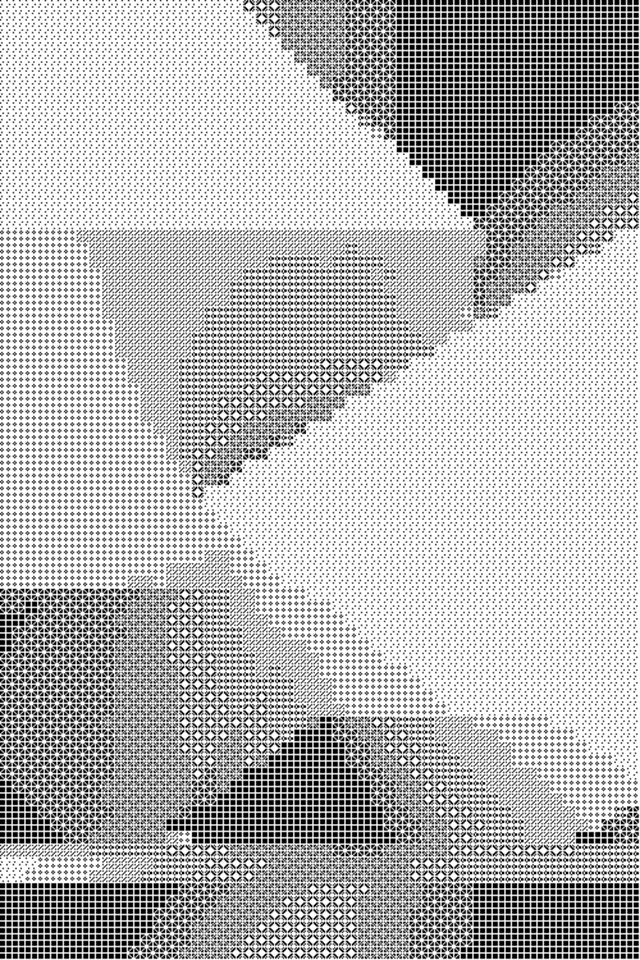
Works by Kim Asendorf
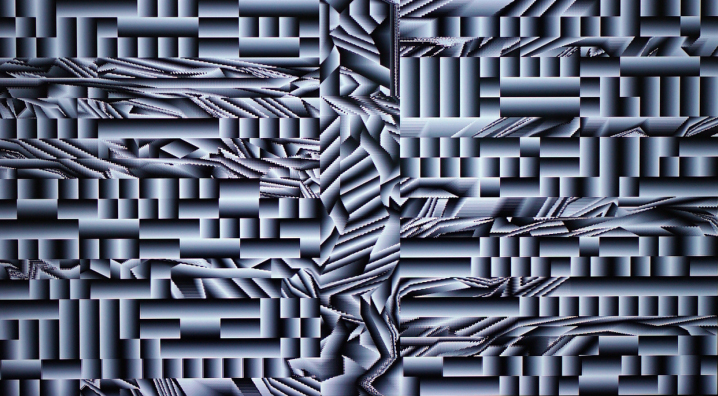
Works by Kim Asendorf
Lesson D3-1: Digital Painting (Click to view and listen to the audio recording)
In the development of contemporary art, digital technology has provided new media systems and technical conditions for geometric abstract art. Unlike traditional painting, which relies on canvas, paint, and hand tools, digital painting, through computer software, graphics algorithms, and screen display technology, allows geometric forms, color relationships, and structural systems to be constructed and adjusted in a more precise and flexible way. Digital media has not only changed the way creation is done but also expanded the expressive possibilities of geometric abstract art. First, digital painting offers high precision in form construction. Traditional geometric abstract art often requires the use of rulers, grids, or templates to ensure accurate proportions, while digital painting software can directly generate precise geometric forms through vector graphics, coordinate systems, and grid tools. For example, squares, circles, polygons, or complex grid structures can be quickly created with simple operations and precisely adjusted as needed. This technology allows artists to focus more on the study of form relationships and structural order. Second, digital media makes color control more flexible. In traditional painting, color adjustments often rely on paint mixing, which is difficult to change once the painting is complete. In digital painting, however, colors can be modified at any time. For example, hue, brightness, and saturation can be precisely controlled through color value systems, and different color combinations can be quickly tested. This editability allows artists to explore color relationships more systematically, such as warm and cool contrasts, complementary colors, or gradient structures, thus creating more complex visual orders. Digital painting also provides new methods for the repetition and variation of geometric structures. Computer software can easily copy, rotate, scale, or arrange graphics, enabling the generation of complex structures in a short time. For example, large-scale repetitive structures can be established through grid copying, and the proportions and orientations of graphics can be changed through transformation tools. These techniques allow artists to study the rhythmic relationships and spatial structures between forms, thus forming a systematic visual language. Furthermore, digital painting connects geometric abstract art with algorithmic structures. Through simple programs or parameter settings, graphics can be automatically generated according to rules. For example, some graphics may gradually change according to a fixed proportion or be arranged in a regular pattern according to a coordinate system. This method shifts artistic creation from the production of single images to system generation, giving geometric abstract art a more obvious structure and logic. Digital media also changes the way pictorial space is presented. In traditional painting, works usually exist in a fixed pictorial form, while digital painting can be presented through screen display, dynamic changes, and even interactive methods. For example, through gradient animation or parameter changes, geometric structures can visually produce a sense of movement. Viewers not only see static structures but also experience the process of visual change. In contemporary art practice, digital painting is often combined with other media, such as digital printing, projection art, or screen installations. Artists can first establish geometric structures in a digital environment and then output the work through different media. This cross-media approach makes geometric abstract art more diverse in form and expands the exhibition space of the works. From a deeper perspective, digital painting brings geometric abstract art closer to a systematic visual language. Form, color, and proportion can be regarded as basic parameters, generating rich structures through different combinations. Artists are not only creating images but also designing visual systems. This approach forms a close connection with modern design, information visualization, and algorithmic art. Therefore, in the technological and media system of contemporary art, digital painting provides a new development path for geometric abstract art. Through precise form construction, flexible color control, structural replication, and algorithmic generation, digital technology expands geometric abstract art from traditional hand painting into a systematic visual practice. In this new media environment, geometric abstraction not only retains its rational structural characteristics but also gains a broader space for expression.
 简体中文
简体中文  English
  日本語
日本語  Español
  Français
  हिन्दी
  العربية
  বাংলা
বাংলা  Português do Brasil
  Русский
  اردو
اردو  Bahasa Indonesia
  Deutsch
  Kiswahili
  मराठी
मराठी  తెలుగు
  Tiếng Việt
  Türkçe
  Italiano
  தமிழ்
தமிழ்  한국어
한국어