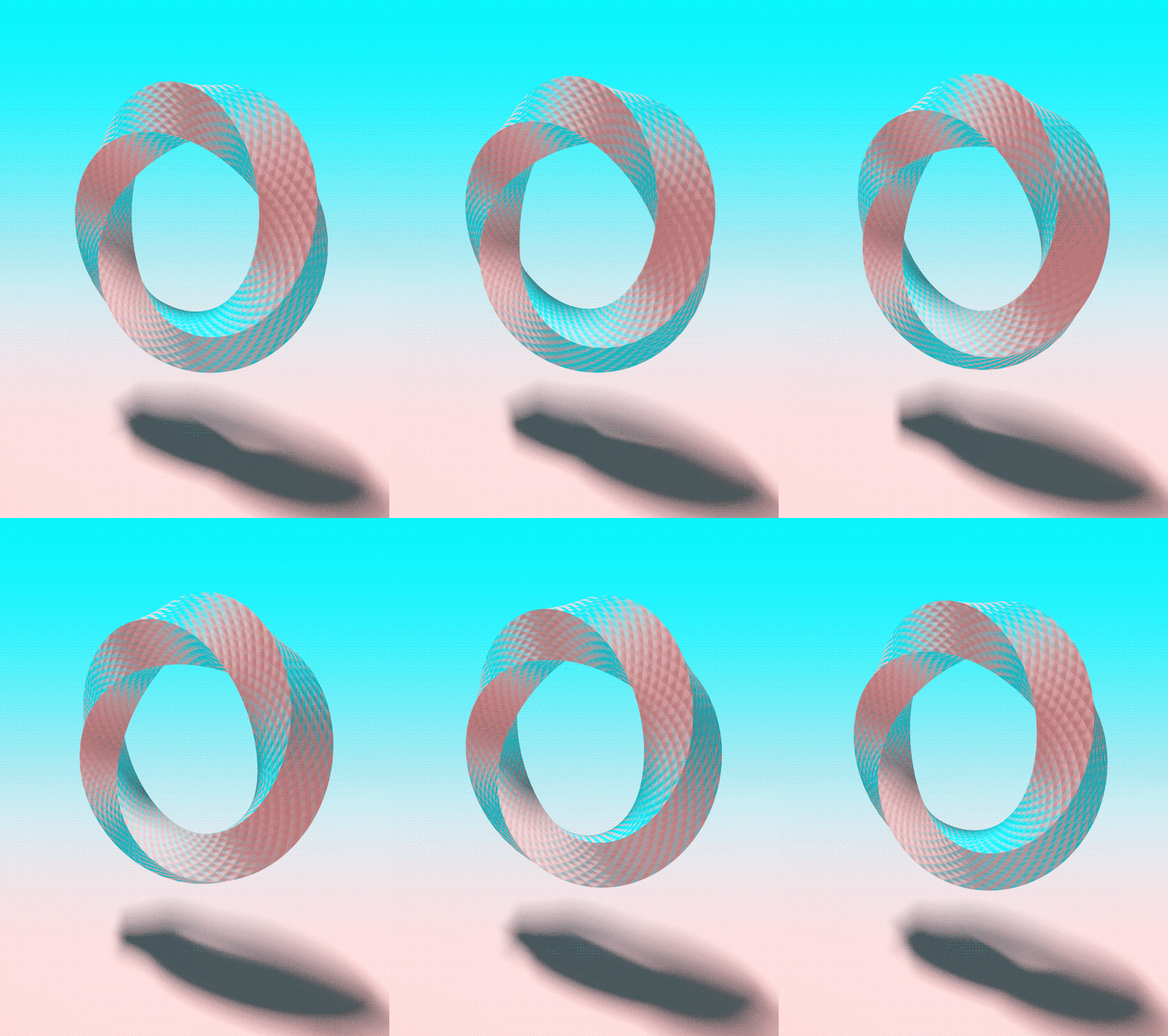
4. Op Art
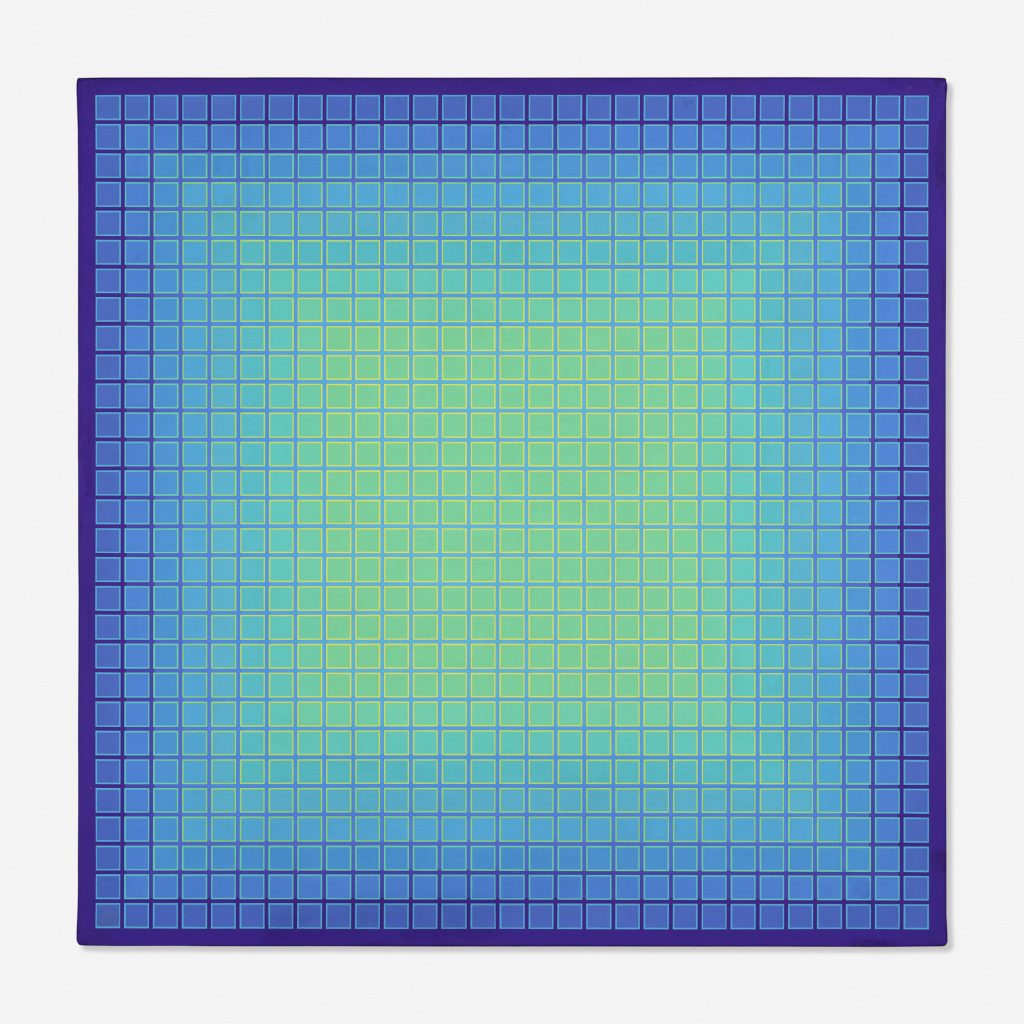
Julian Stanczak
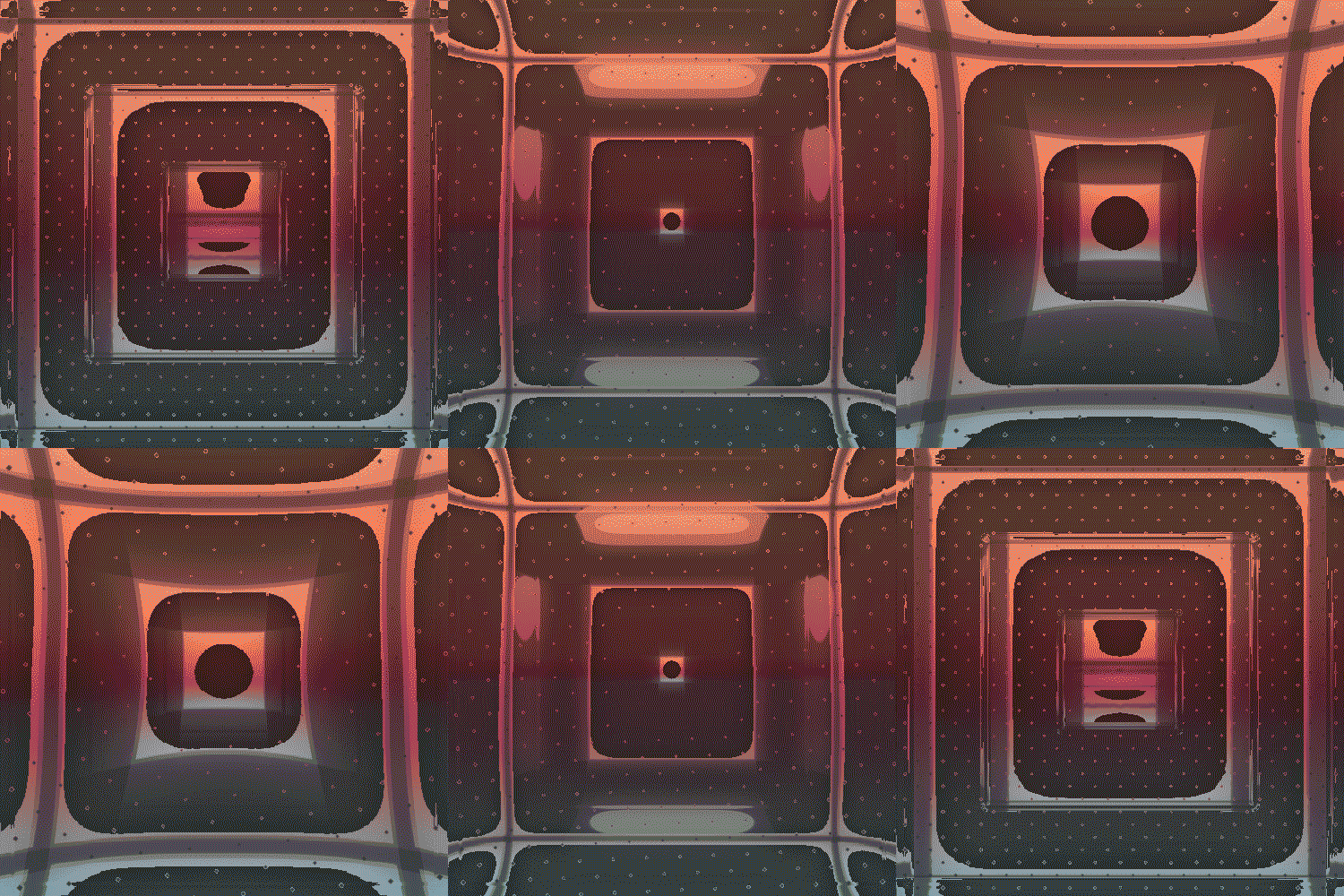
Op Art is one of the most visually impactful forms of geometric abstract art. Through precise geometric structures, repetitive graphic order, and strong color or black-and-white contrasts, it creates a unique visual experience. Op Art does not focus on narrative, plot, or symbolic content; rather, it takes "visual perception" itself as its subject. The geometric elements in the image, through regular arrangement, gradation, and contrast, create illusions of movement, vibration, flickering, or spatial shifts in the viewer. This visual phenomenon constitutes the core characteristic of Op Art.
From a formal structural perspective, Op Art is often built upon a very strict geometric order. Artists typically use basic geometric elements such as straight lines, curves, circles, squares, grids, or ripples, creating complex visual structures through repetition, displacement, scaling, or rotation. These graphics are not arranged randomly, but rather organized within the image according to precise proportions and rhythms. For example, a series of gradually denser parallel lines can produce a curved or undulating visual effect, and a series of gradually shrinking squares can make a plane appear as if it extends into the distance. Through these methods, the originally static planar image visually appears dynamic.
Color also plays a crucial role in Op Art. Many Op works employ black and white contrast because the strongest contrast between black and white enhances visual stimulation, making lines and structures clearer, thus producing a noticeable flickering or vibrating effect. Simultaneously, some artists use high-contrast colors, such as complementary colors or strong composite color combinations, to enhance the dynamism of the image through visual conflict between colors. When colors gradually change according to certain rules, it also produces an effect similar to fluctuations or optical diffusion, making the viewer feel that the image is constantly changing.
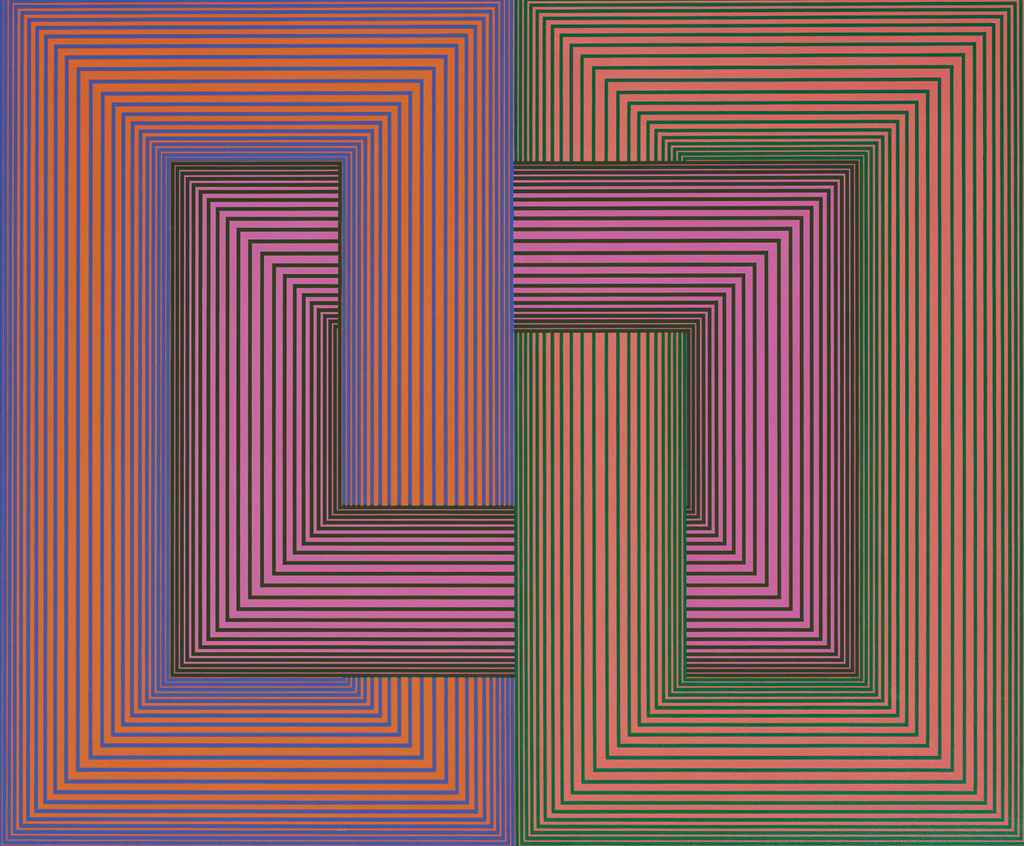
Richard Anuszkiewicz
The unique aspect of Op Art lies in its emphasis on the viewer's perceptual experience during the viewing process. Traditional painting often expresses space and meaning through perspective, chiaroscuro, or narrative, while Op Art directly impacts the human visual system through visual structure. When the viewer moves their gaze or changes their viewing distance, the graphic relationships within the image create new visual effects; this change imbues the work with interactivity. In other words, Op Art doesn't merely exist on the canvas; it also exists within the viewer's visual perception.
From the perspective of artistic language, Op Art and geometric abstraction are closely related. Geometric abstraction emphasizes the simplification of form and the order of structure, while Op Art further explores the possibilities of visual perception on this basis. Through precise geometric structures, artists can control the density, direction, and rhythm of lines, thereby creating complex visual effects. This method gives Op Art both a highly rational structure and the ability to generate a strong sensory experience.
Op Art also possesses a distinct systematic characteristic. Many works do not rely on a single graphic, but rather construct their overall structure through a large number of repetitive geometric units. This repetition not only creates rhythm but also establishes visual order. Dynamic visual changes occur when the repetitive graphics undergo subtle variations in size, angle, or spacing. For example, a group of circles arranged in a gradually offset manner will give the viewer the impression that the circles are rotating or spreading. It is precisely this subtle structural variation that allows simple geometric elements to form complex visual phenomena.
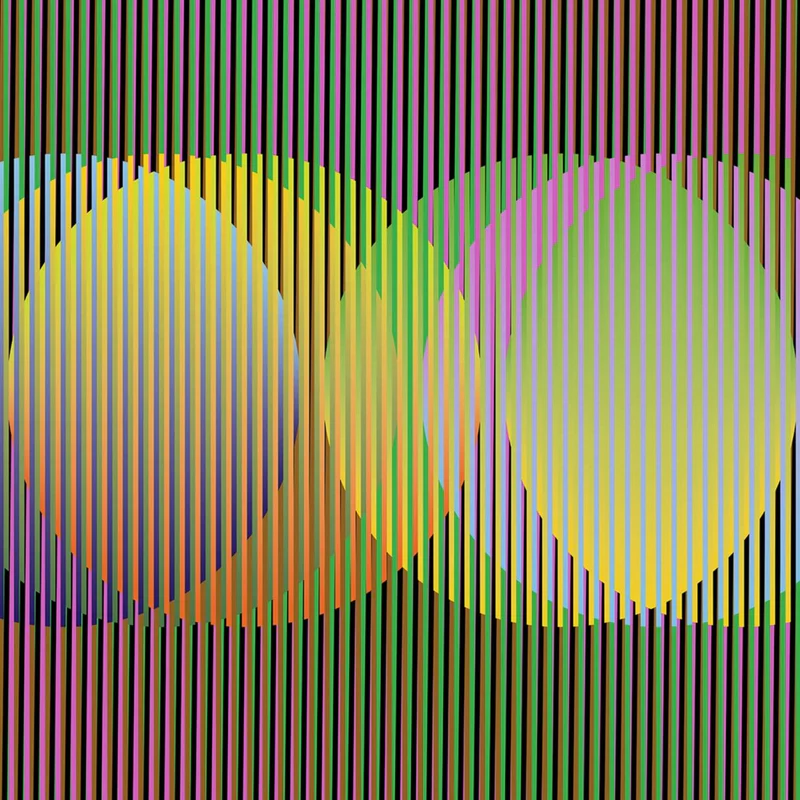
Carlos Cruz-Diez
In the development of contemporary art, Op Art has gradually integrated with new media and technologies. For example, in digital design and motion graphics, artists can precisely control the arrangement and changes of graphics through computer algorithms, making the visual effects more complex and refined. Some digital artworks can even change the graphic structure in real time, allowing viewers to see different visual states at different times. This technological development has expanded Op Art from traditional painting into a wider range of visual fields.
Overall, Op Art is the form of geometric abstract art that most directly impacts visual perception. Through precise geometric structures, strong contrasts, and systematic repetition, it creates a dynamic visual experience from static images. Op Art does not rely on narrative or symbolism, but rather creates artistic effects through the inherent laws of vision itself. It is in this in-depth exploration of visual structure that Op Art demonstrates the unique possibilities of geometric abstract art in the relationship between form and perception.
Lesson D3-2: Op Art (Click to view and listen to the reading)
Op Art is one of the most visually impactful forms of geometric abstract art. It creates a unique visual experience through precise geometric structures, repetitive graphic order, and strong color or black-and-white contrasts. Op Art does not focus on narrative, plot, or symbolic content; rather, it centers on "visual perception" itself. The geometric elements in the image, through regular arrangement, gradation, and contrast, create illusions of movement, vibration, flickering, or spatial shifts in the viewer. This visual phenomenon constitutes the core characteristic of Op Art. From a formal structural perspective, Op Art is often built upon a very strict geometric order. Artists typically use basic geometric elements such as straight lines, curves, circles, squares, grids, or ripples, forming complex visual structures through repetition, displacement, scaling, or rotation. These graphics are not randomly arranged but organized in the image according to precise proportions and rhythms. For example, a series of gradually denser parallel lines can create a curved or undulating visual effect, and a series of gradually shrinking squares can make a plane appear as if it extends into the distance. Through these methods, a static planar image appears visually dynamic. Color also plays a crucial role in Op Art. Many Op Art works employ black and white contrast because the strongest contrast between black and white enhances visual stimulation, making lines and structures clearer, thus producing a noticeable flickering or vibrating effect. Simultaneously, some artists also use high-contrast colors, such as complementary colors or strong composite color combinations, to enhance the dynamism of the image through visual conflict between colors. When colors gradually change according to certain rules, it also produces effects similar to fluctuations or optical diffusion, making the viewer feel that the image is constantly changing. The unique aspect of Op Art lies in its emphasis on the viewer's perceptual experience during the viewing process. Traditional painting often expresses space and meaning through perspective, chiaroscuro, or narrative, while Op Art directly acts on the human visual system through visual structure. When the viewer moves their gaze or changes their viewing distance, the graphic relationships in the image produce new visual effects; this change makes the work interactive. In other words, Op Art does not only exist on the canvas but also in the viewer's visual perception. From the perspective of artistic language, Op Art has a close relationship with geometric abstraction. Geometric abstraction emphasizes the simplification of form and the order of structure, while Op Art further explores the possibilities of visual perception on this basis. Through precise geometric structures, artists can control the density, direction, and rhythm of lines, creating complex visual effects. This method gives Op Art both a highly rational structure and a strong emotional impact. Op Art also exhibits a distinct systematic characteristic. Many works do not rely on a single graphic but rather on a large number of repetitive geometric units to form the overall structure. This repetition not only creates rhythm but also establishes visual order. Dynamic visual changes occur when the size, angle, or spacing of the repeating graphics changes slightly. For example, a group of circles arranged in a gradually offset manner will make the viewer feel that the circles are rotating or spreading. It is this subtle structural change that allows simple geometric elements to form complex visual phenomena. In the development of contemporary art, Op Art has also gradually combined with new media and technologies. For example, in digital design and motion graphics, artists can precisely control the arrangement and changes of graphics through computer algorithms, making the visual effects more complex and refined. Some digital artworks can even change the graphic structure in real time, allowing viewers to see different visual states at different times. This technological development has expanded Op Art from traditional painting to a wider range of visual fields. Overall, Op Art is the form of geometric abstract art that most directly impacts visual perception. Through precise geometric structures, strong contrasts, and systematic repetition, it creates a dynamic visual experience from static images. Op Art does not rely on narrative or symbolism, but rather creates artistic effects through the inherent laws of vision itself. It is in this in-depth exploration of visual structure that Op Art demonstrates the unique possibilities of geometric abstract art in the relationship between form and perception.
 简体中文
简体中文  English
  日本語
日本語  Español
  Français
  हिन्दी
  العربية
  বাংলা
বাংলা  Português do Brasil
  Русский
  اردو
اردو  Bahasa Indonesia
  Deutsch
  Kiswahili
  मराठी
मराठी  తెలుగు
  Tiếng Việt
  Türkçe
  Italiano
  தமிழ்
தமிழ்  한국어
한국어