
Core purpose
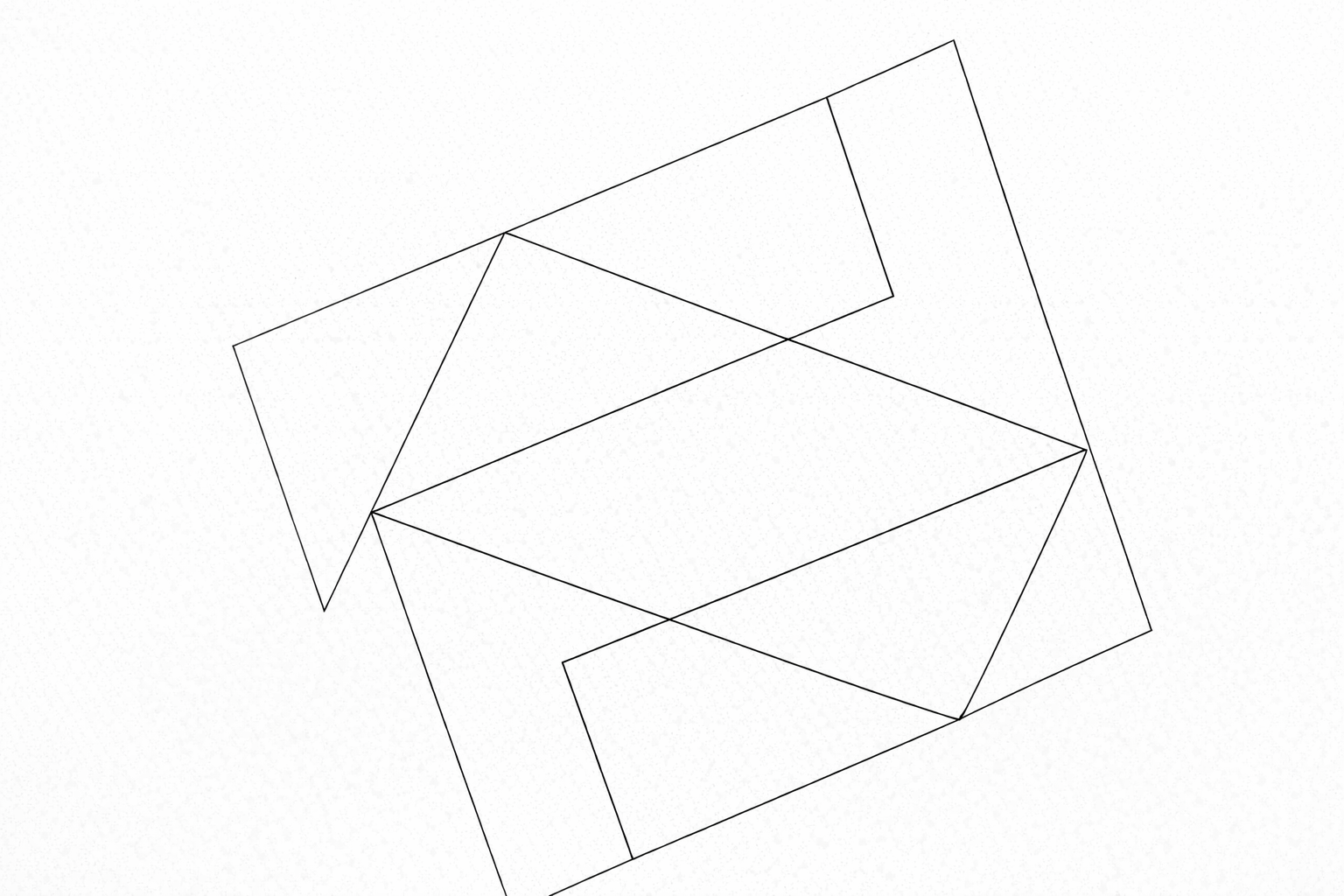
If we've explored “how” the brain processes geometric abstract information, we now need to ask a more fundamental question: “Why?” Why did the human mind, at a certain historical moment, suddenly crave this stark form that stripped away all emotion and narrative? What is the ultimate purpose of the cognitive structure of geometric abstract art?
A1. Core purpose
A2. Cognitive Structure of Geometric Abstract Art
A2-1. Basic definition of geometric abstract art
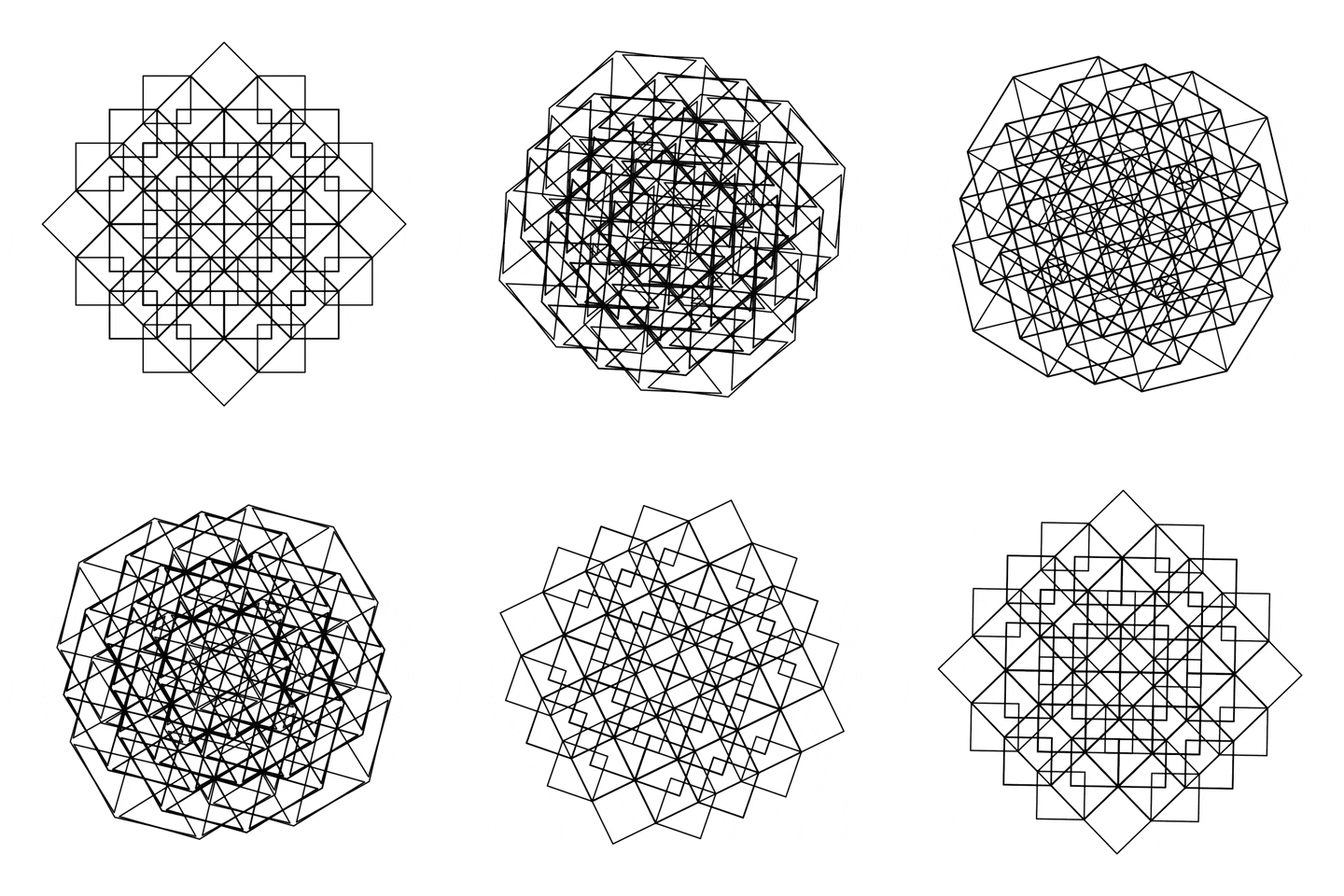
Geometric abstract art uses points, lines, planes, and color blocks as its core language, stripping away figurative narratives, and exploring the unity of visual essence, spatial relationships, and spiritual expression through rational structure and formal order.
A2-2. Historical Overview of Geometric Abstract Art
From modernism to the digital age, geometric abstract art has shifted from an emphasis on pure form and rational order to the integration of algorithms, interaction, and generative systems. Its inherent logic has evolved from “human handcraft” to “human-machine co-creation,” moving from static compositions to dynamic evolution.
A2-3. Stages of Development and Key Turning Points in Geometric Abstract Art
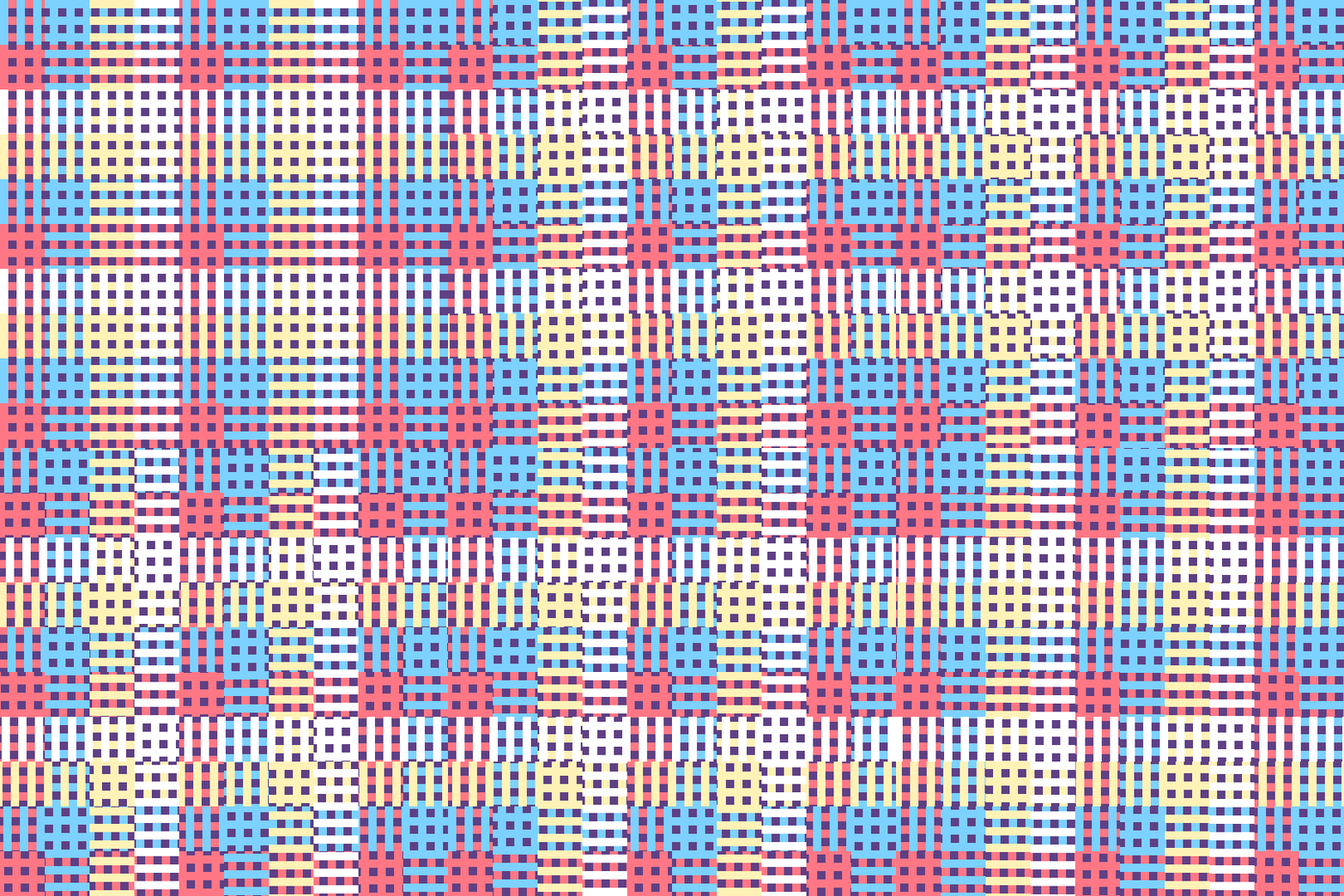
In its evolution over more than a century, geometric abstract art has progressed from early avant-garde experimentation to the construction of systematic styles, and then to a contemporary transformation involving digital media and algorithmic generation. Its key turning points stem from technological advancements, intellectual liberation, and artists' continuous breakthroughs in the boundaries of formal language.
A2-4. Historical conditions for the emergence of geometric abstract art
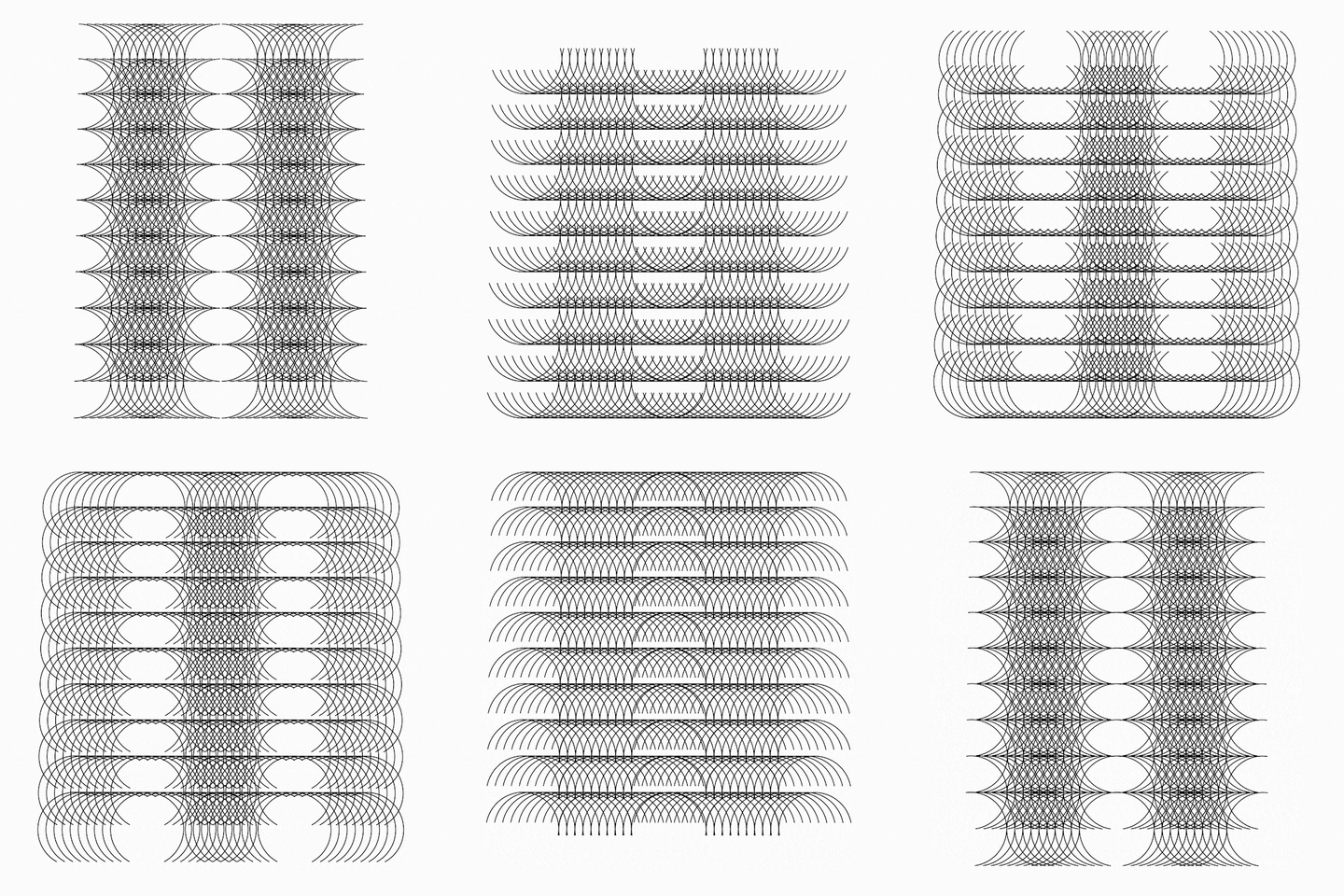
The birth of geometric abstract art was not accidental, but rather the result of the combined effects of industrialization, the rise of scientific rationality, and the disintegration of traditional representational systems. Photography liberated painting from its representational function, while modern philosophy and mathematical concepts reshaped formal awareness, allowing artists to shift from natural imitation to pure structural exploration.

A2-5. Three core logical paths of geometric abstraction
The evolution of geometric abstraction can be summarized into three core logical pathways: the formal rationality path, which takes order and proportion as its ontology; the spiritual expression path, guided by emotion and symbolism; and the generative structure path, driven by algorithms and systems. These three intricately shape contemporary geometric language.
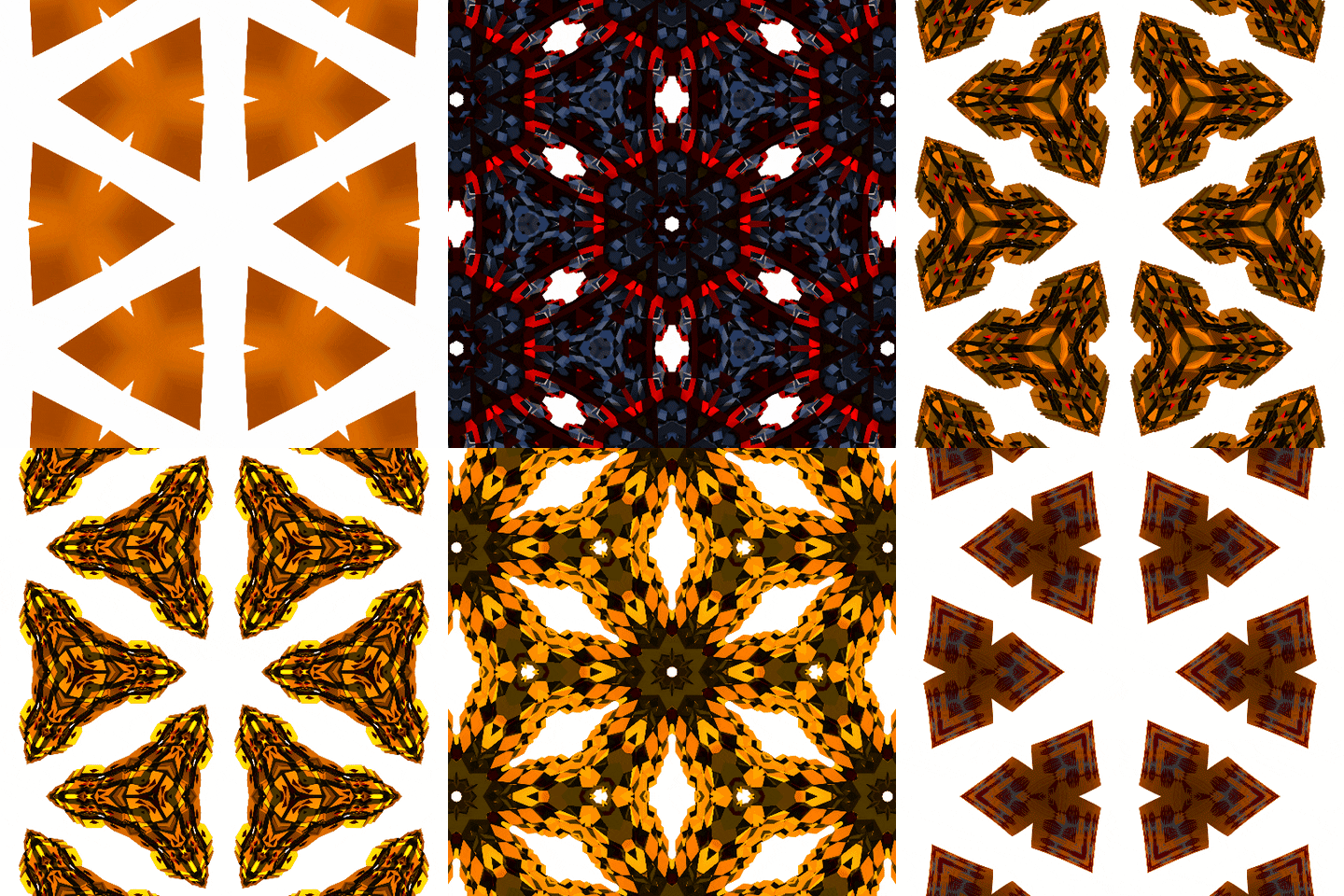
A2-6. Paradigm Shift from Modernism to the Digital Age: An Internal Logic
From modernism to the digital age, geometric abstract art has shifted from an emphasis on pure form and rational order to the integration of algorithms, interaction, and generative systems. Its inherent logic has evolved from “human handcraft” to “human-machine co-creation,” moving from static compositions to dynamic evolution.
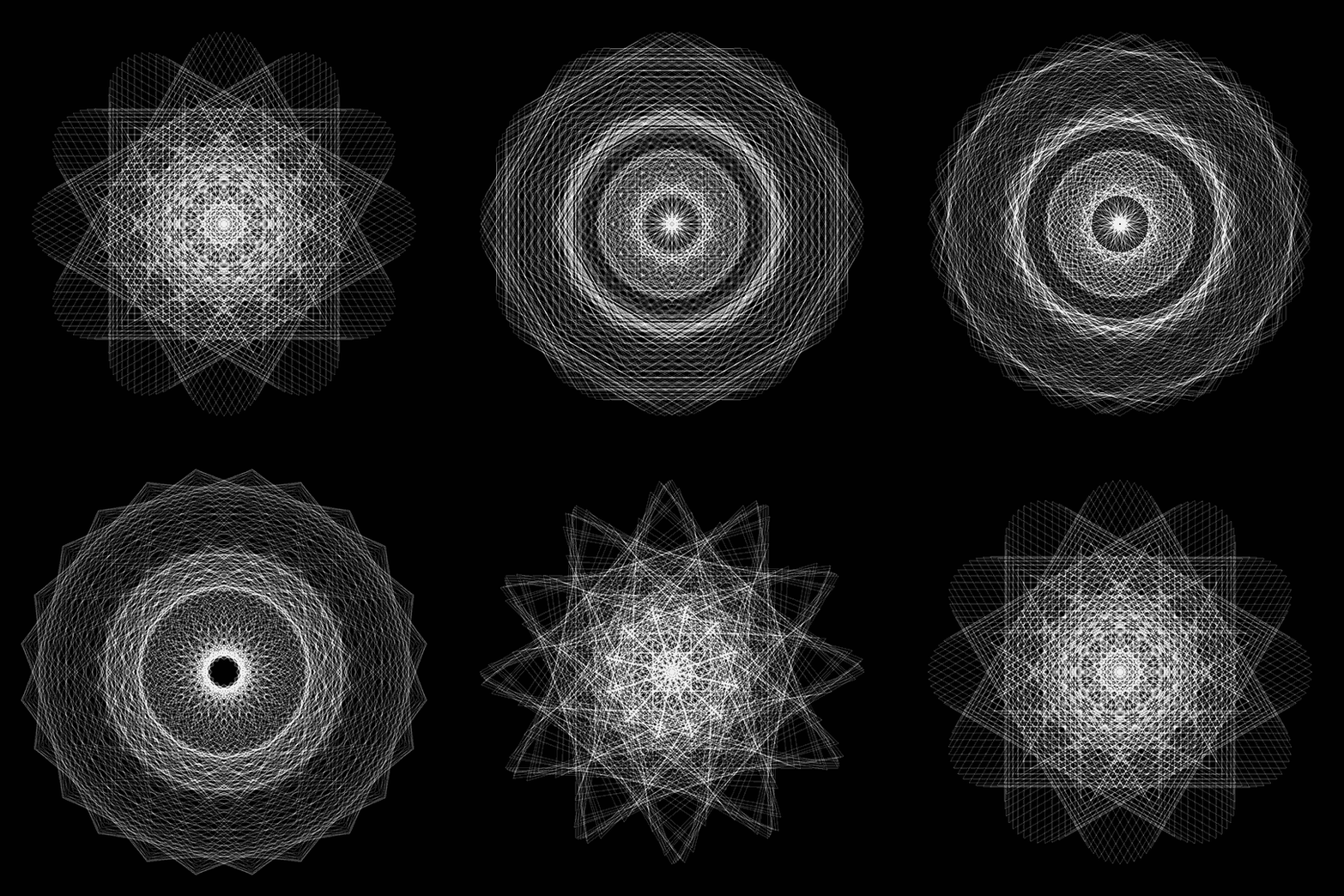
A3-1. Cognitive Structure Course Test
Please submit your design once. Think carefully before clicking submit. Repeated submissions will result in deduction of points affecting the award!
A3. AI Cognitive Structure Interaction System
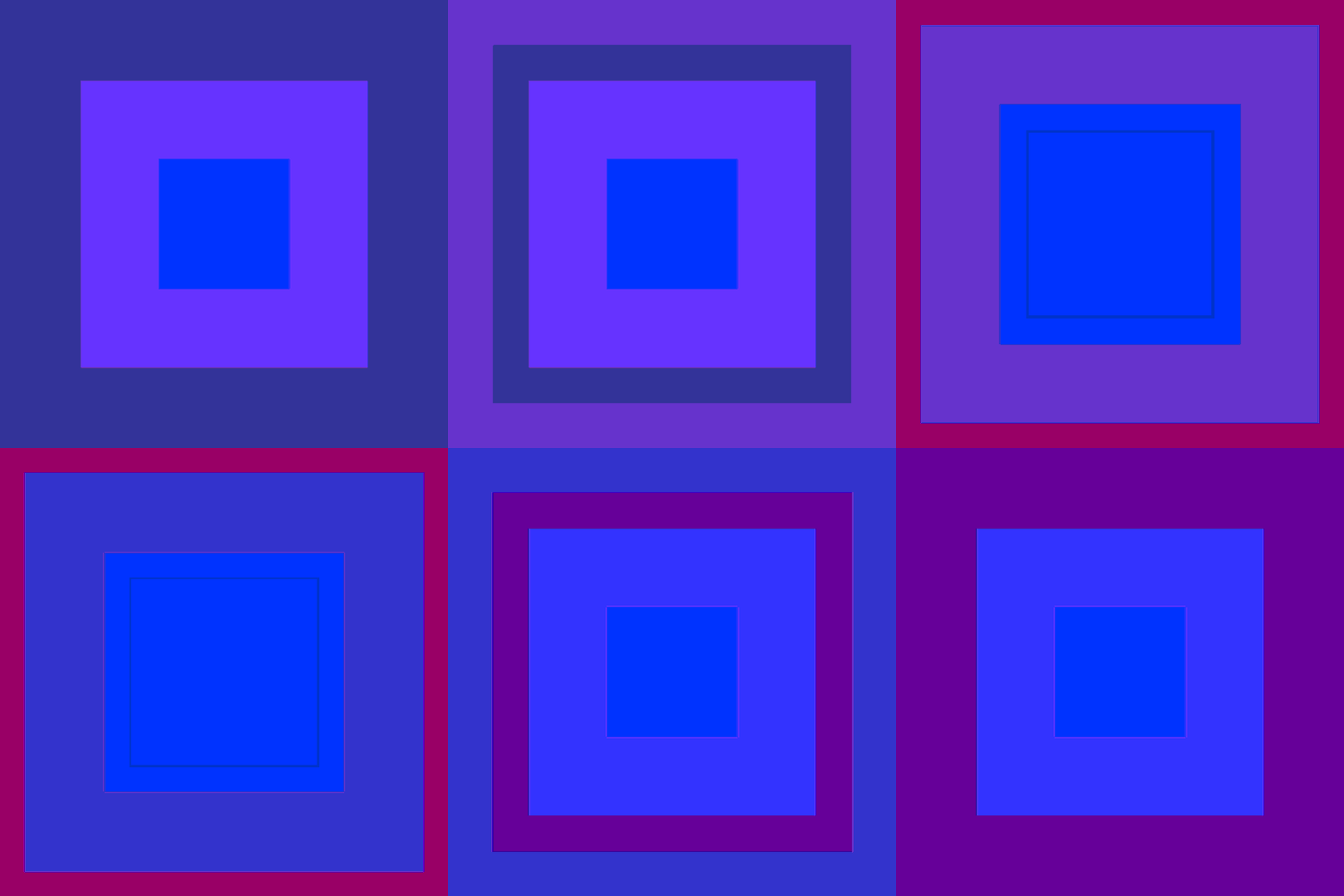
The role of AI in geometric abstract art is no longer just a style generation tool, but rather it undertakes the core function of a “cognitive translation engine.”
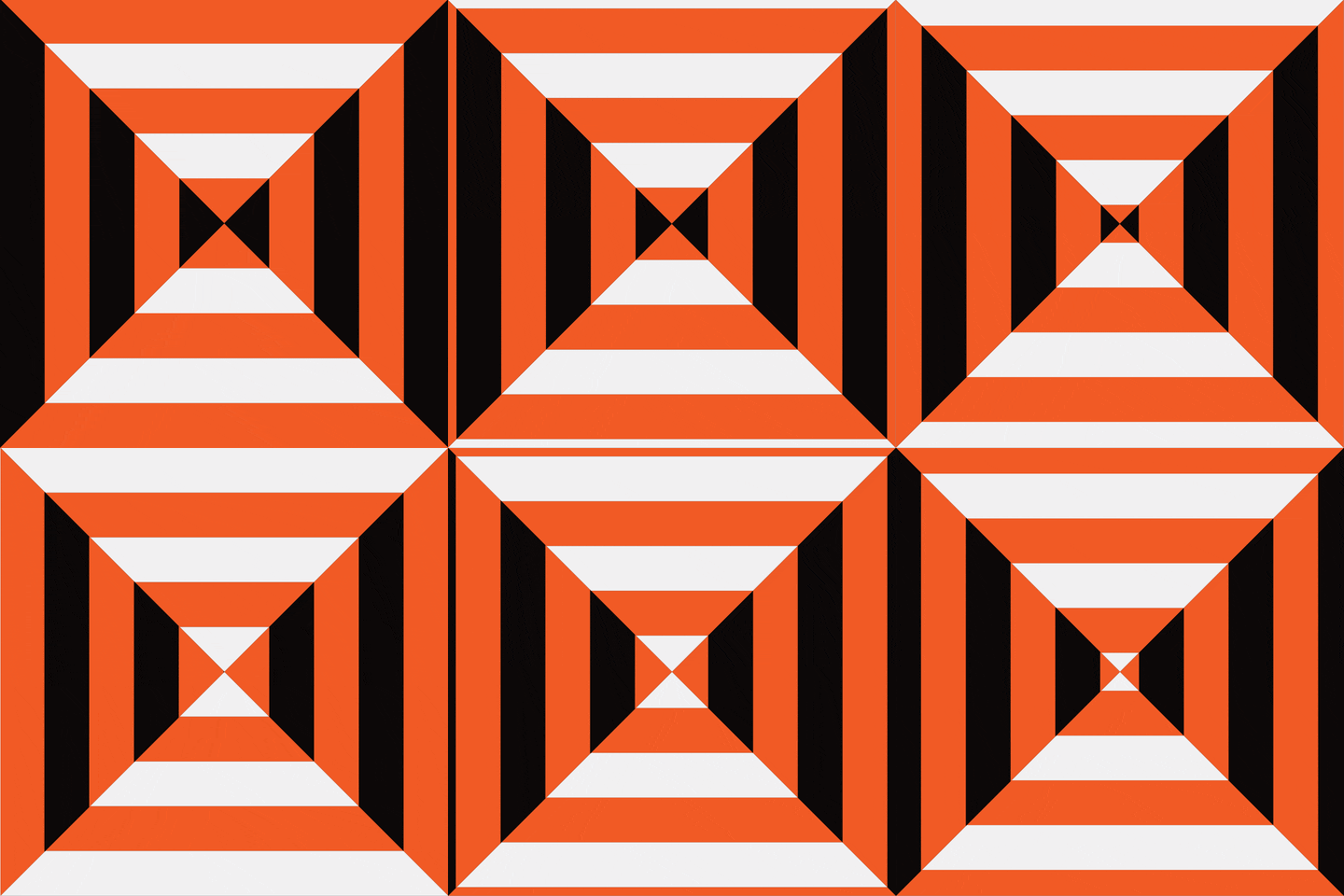
The role of AI is to transform historical styles from static points in time to continuous parameter evolution processes, emphasizing “how the evolutionary process changes over time.”
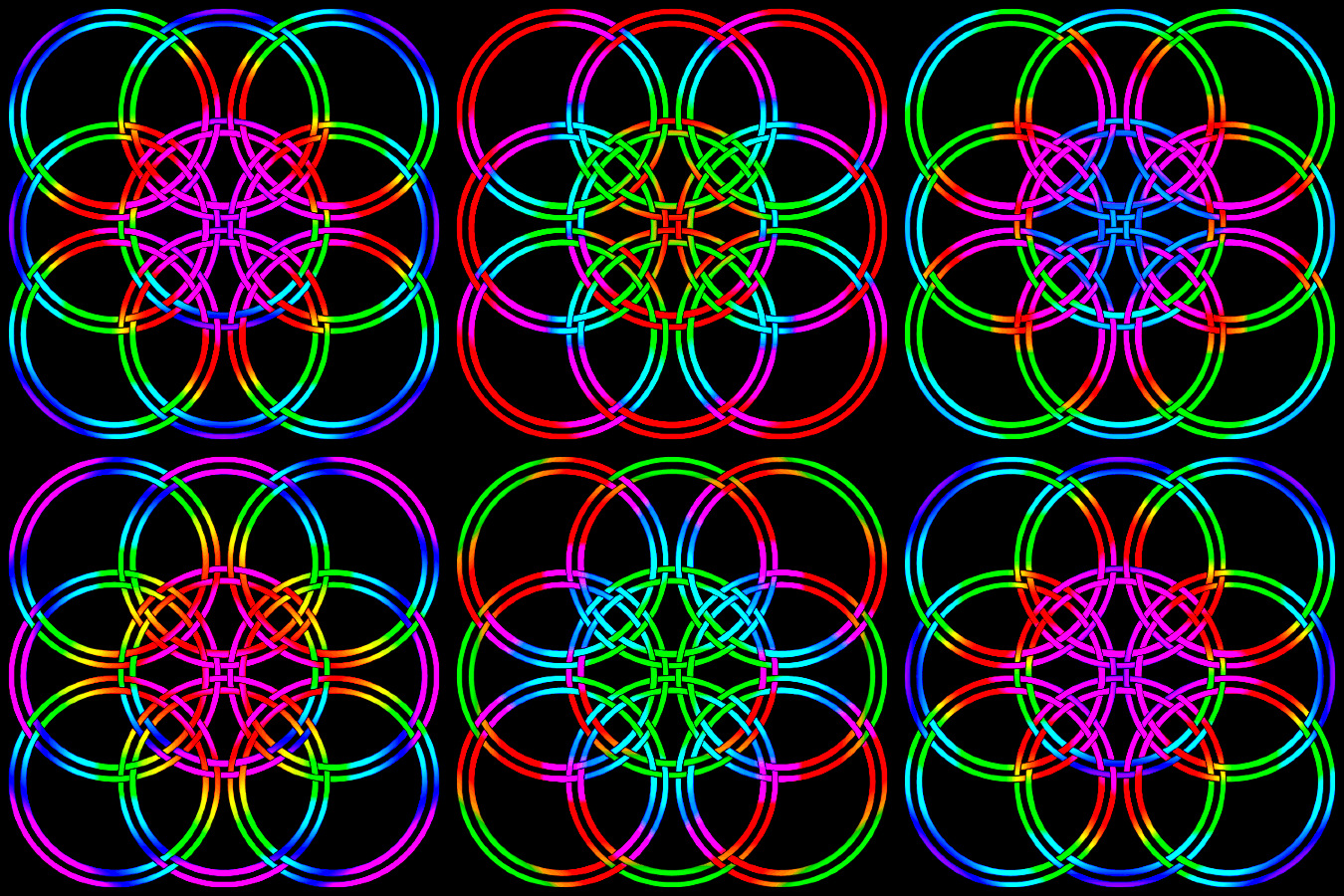
Emphasizing “experimentation + exploration + self-style discovery” has more of a course and product feel than “interactive modules.”
 简体中文
简体中文  English
  日本語
日本語  Español
  Français
  हिन्दी
  العربية
  বাংলা
বাংলা  Português do Brasil
  Русский
  اردو
اردو  Bahasa Indonesia
  Deutsch
  Kiswahili
  मराठी
मराठी  తెలుగు
  Tiếng Việt
  Türkçe
  Italiano
  தமிழ்
தமிழ்  한국어
한국어