jeremy annear
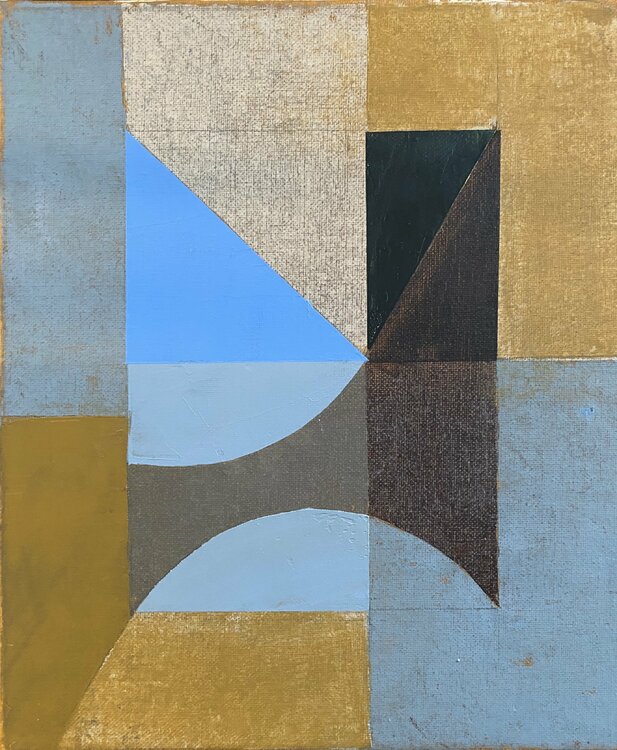
In geometric abstract art, structural order is typically established by lines, proportions, and geometric forms, while color plays a role that is both cooperative and antagonistic within this structural system. Geometric structures often embody rationality, stability, and a sense of order, while color possesses emotionality, variability, and visual energy. When color enters a geometric structural system, it often creates a dynamic relationship between stable order and visual tension. Therefore, in the creation of geometric abstract art, there is both conflict and a need to achieve a certain balance between color and geometric order; this relationship constitutes an important source of visual vitality in the artwork.
First, the antagonistic nature of color lies in its ability to disrupt the singular order of geometric structures. Structures in geometric abstract art typically possess clear proportional relationships and stable grid systems, such as rectangular grids, symmetrical structures, or modular arrangements. If all structural units use the same color, the image often appears overly flat or even monotonous. When different colors are introduced into these geometric structures, the original unified order is broken by visual differences. High-saturation or high-contrast colors can make certain geometric units stand out more in the image, thus creating visual conflict. This conflict does not destroy the structure, but rather introduces variation upon a stable structure, resulting in a richer visual hierarchy in the image.
jeremy annear
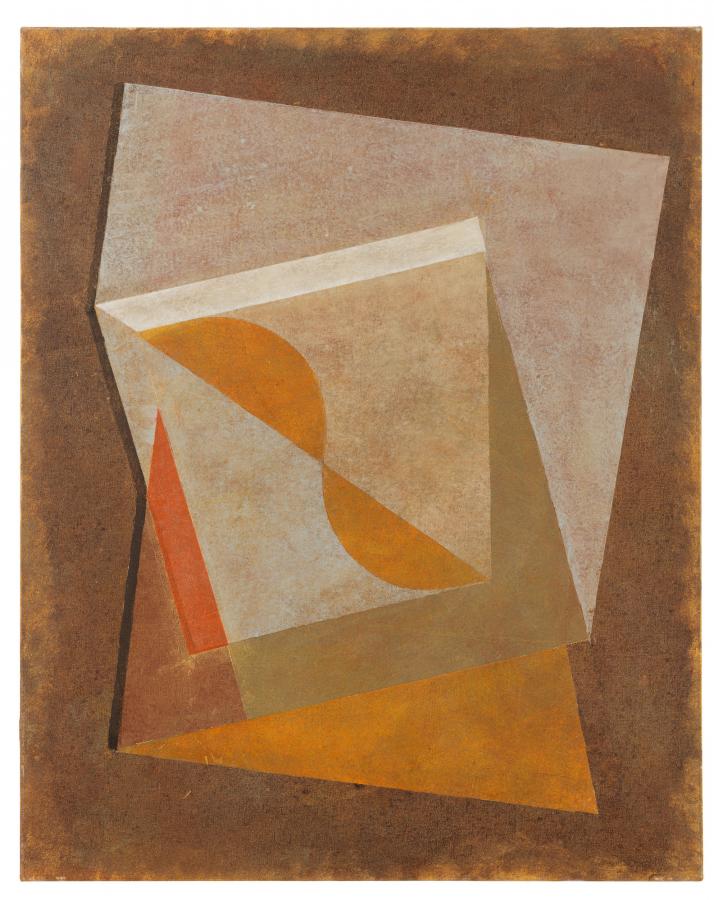
Secondly, the interplay of colors also manifests as a reorganization of structural rhythm. In many geometric abstract works, structures often appear in repetitive or equidistant arrangements, creating a stable visual rhythm. However, when colors are distributed within these structures in an irregular manner, the original rhythm changes. For example, in a regular grid structure, if certain areas are given strong colors while other areas remain neutral or low-saturation, the viewer's eye will move between these colored areas, thus forming a new visual path. Here, color reorganizes the structural rhythm, allowing the image to maintain order while generating dynamic change.
However, if the contrast of colors is too intense, the composition can become chaotic. Therefore, in geometric abstract art, color must also serve to establish balance. Balance does not mean eliminating differences, but rather creating stable visual relationships between different areas through a reasonable distribution of colors. For example, controlling the number of colors can prevent visual chaos caused by too many colors; repeating certain colors can establish connections between different areas of the image; and adjusting brightness and saturation can keep strong color contrasts within a controllable range. These methods can establish a stable relationship between contrast and order, making the image both vibrant and structurally clear.
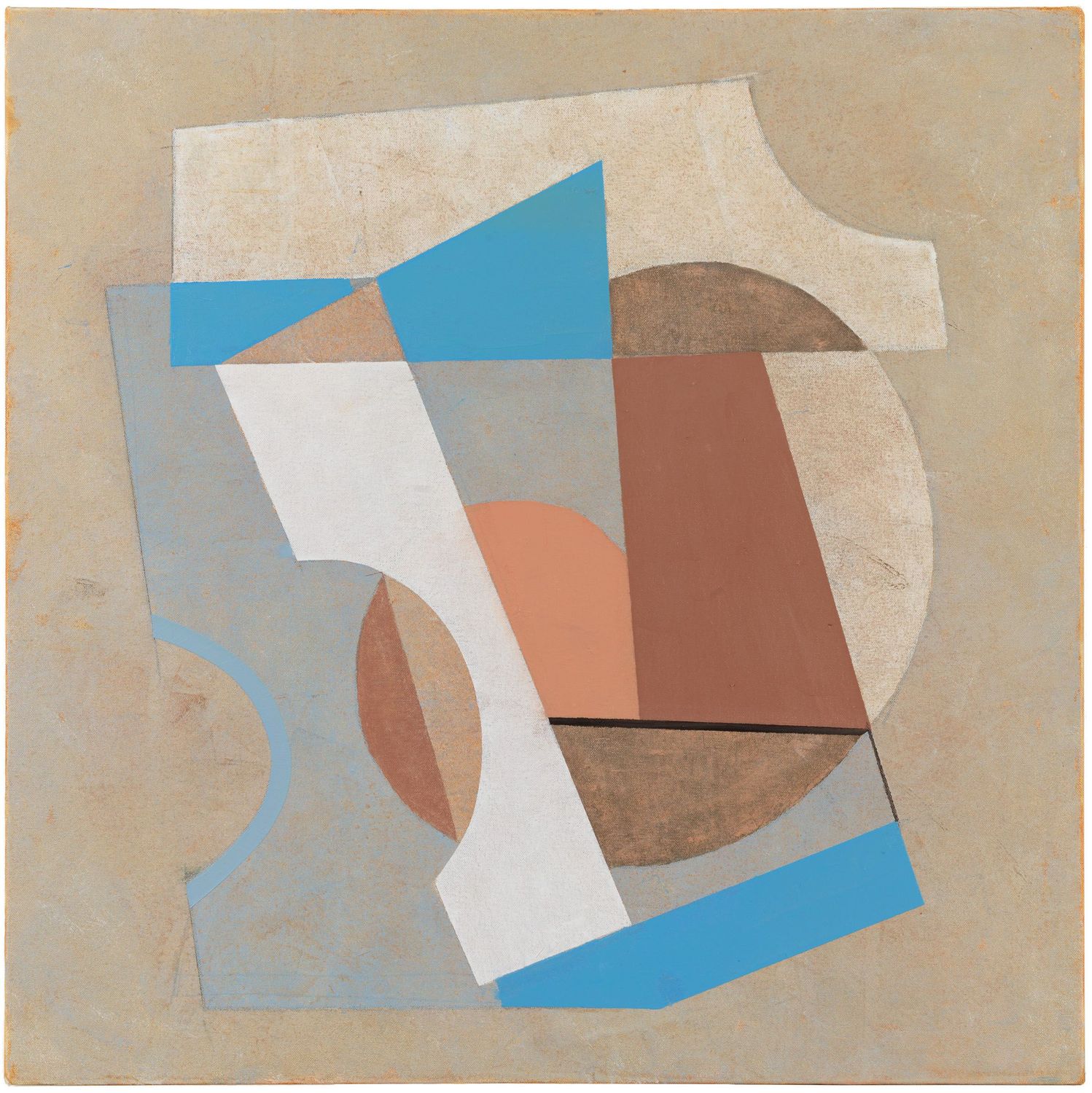
Color balance is also reflected in the distribution of visual weight. In geometric composition, different colors produce different visual weights. High-saturation or high-brightness colors generally have stronger visual appeal, while low-saturation or neutral colors are relatively light. If these visual weights are unevenly distributed, the image may feel unbalanced. Therefore, artists often maintain visual balance by repeating or echoing a certain color in different locations. For example, when using a strong color on one side of the image, the other side might echo it with a smaller area or a weaker color, thus creating an overall stable relationship.
jeremy annear
Furthermore, the balance between color and geometric order is also reflected in the establishment of the overall color system. Many geometric abstract works employ a limited color system, such as using only a small number of primary colors or establishing a relationship between primary and secondary colors. In this way, although there is color contrast in the image, the overall visual style remains unified. This limited color system enables a clear and stable relationship between geometric structures and colors, thereby avoiding overly complex visual effects.
On a deeper level, the interplay and balance between color and geometric order embodies a tension within visual structure. Geometric structure provides a stable formal foundation, while color introduces variation and vitality. When the two interact, the image is neither completely static nor loses its order, but rather forms a dynamic balance between stability and change. This relationship allows geometric abstract art to maintain both a rational structural logic and rich visual expressiveness.
Therefore, in geometric abstract art, color is not simply used to fill in forms, but rather participates in the entire structural system. Through the interactive relationship of confrontation and balance, color can activate the structure, adjust the rhythm, and establish visual stability, allowing the geometric order to present a more vivid and dynamic visual effect while maintaining a rational structure.
Module Two: The Conflict and Balance Between Color and Geometric Order (Click to listen to the reading)
In geometric abstract art, structural order is typically established by lines, proportions, and geometric forms, while color plays a role that is both cooperative and antagonistic within this structural system. Geometric structures often embody rationality, stability, and a sense of order, while color possesses emotionality, variability, and visual energy. When color enters a geometric structural system, it often creates a dynamic relationship between stable order and visual tension. Therefore, in the creation of geometric abstract art, there is both conflict and a need to achieve a certain balance between color and geometric order; this relationship constitutes an important source of visual vitality in the artwork. First, the antagonistic nature of color is reflected in its ability to break the singular order of geometric structures. Structures in geometric abstract art typically have clear proportional relationships and stable grid systems, such as rectangular grids, symmetrical structures, or modular arrangements. If all structural units use the same color, the image often appears too flat or even monotonous. When different colors are introduced into these geometric structures, the originally unified order is broken by visual differences. High-saturation or high-contrast colors can make certain geometric units stand out more in the image, thus creating visual conflict. This conflict does not destroy the structure, but rather introduces variation on top of a stable structure, creating richer visual layers in the image. Secondly, the contrast of colors also manifests as a reorganization of structural rhythm. In many geometric abstract works, structures often appear in repetitive or equidistant arrangements, and this repetition forms a stable visual rhythm. However, when colors are distributed in an irregular manner within these structures, the original rhythm changes. For example, in a regular grid structure, if some areas are given strong colors while other areas remain neutral or low-saturation, the viewer's eye will move between these colored areas, thus forming a new visual path. Color here reorganizes the structural rhythm, allowing the image to maintain order while generating dynamic changes. However, if the contrast of colors is too strong, the structure of the image may become chaotic. Therefore, in geometric abstract art, color must also play a role in establishing balance. Balance does not mean eliminating differences, but rather creating stable visual relationships between different areas through a reasonable distribution of colors. For example, by controlling the number of colors, visual chaos caused by too many colors can be avoided; by repeating certain colors, connections can be established between different areas of the image; by adjusting brightness and saturation, strong color contrasts can be kept within a controllable range. These methods establish a stable relationship between contrast and order, making the image both dynamic and structurally clear. Color balance is also reflected in the distribution of visual weight. In geometric composition, different colors produce different visual weights. High-saturation or high-brightness colors generally have stronger visual appeal, while low-saturation or neutral colors are relatively light. If these visual weights are unevenly distributed, the image may feel unbalanced. Therefore, artists often maintain visual balance by repeating or echoing a certain color in different locations. For example, when using a strong color on one side of the image, the other side might echo it with a smaller area or a weaker color, thus forming an overall stable relationship. Furthermore, the balance between color and geometric order is also reflected in the establishment of the overall color system. Many geometric abstract works employ a limited color system, such as using only a small number of primary colors or establishing a primary and secondary color relationship. In this way, although there is color contrast in the image, the overall visual style remains unified. This limited color system allows for a clear and stable relationship between geometric structures and colors, thus avoiding overly complex visual effects. From a deeper perspective, the interplay and balance between color and geometric order embodies a tension within visual structure. Geometric structure provides a stable formal foundation, while color introduces variation and vitality. When the two interact, the image is neither completely static nor loses its order, but rather forms a dynamic balance between stability and change. This relationship allows geometric abstract art to maintain both rational structural logic and rich visual expressiveness. Therefore, in geometric abstract art, color is not simply used to fill in forms, but rather participates in the entire structural system. Through the interactive relationship of confrontation and balance, color can activate structure, adjust rhythm, and establish visual stability, enabling geometric order to present a more vivid and dynamic visual effect while maintaining a rational structure.
 简体中文
简体中文  English
  日本語
日本語  Español
  Français
  हिन्दी
  العربية
  বাংলা
বাংলা  Português do Brasil
  Русский
  اردو
اردو  Bahasa Indonesia
  Deutsch
  Kiswahili
  मराठी
मराठी  తెలుగు
  Tiếng Việt
  Türkçe
  Italiano
  தமிழ்
தமிழ்  한국어
한국어