
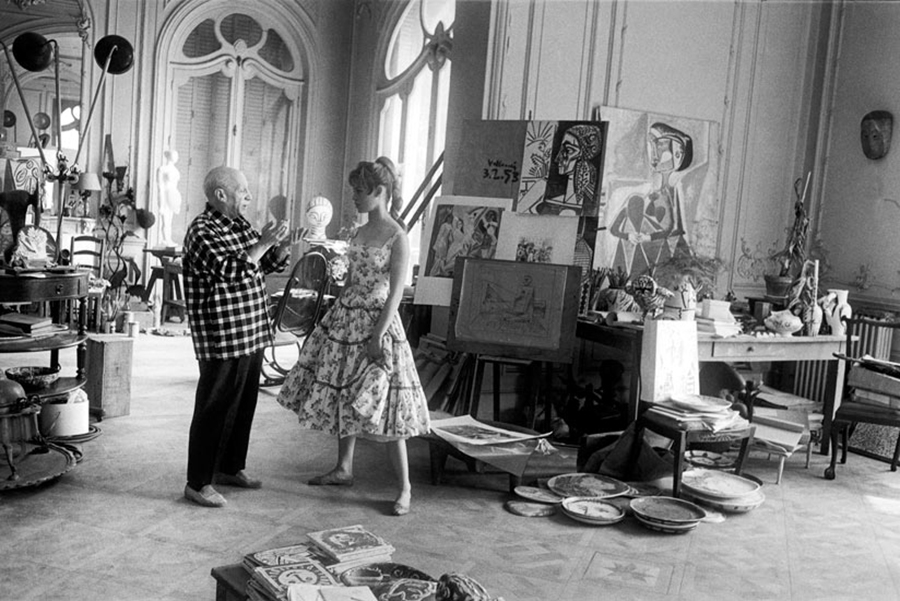
I.1: Traditional Artist Studio
Location
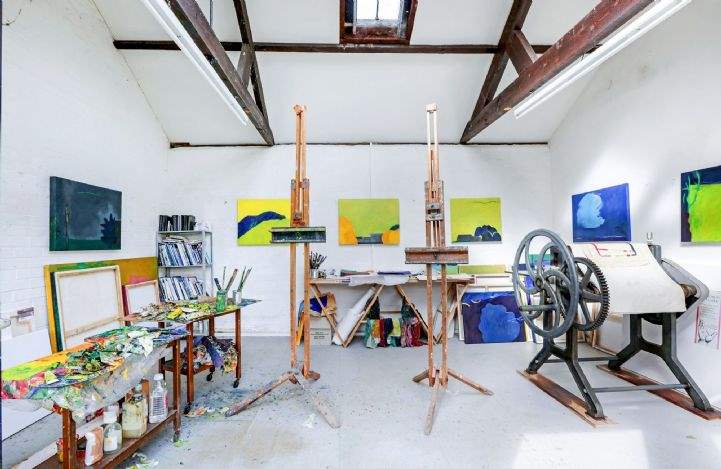
Centered around traditional materials such as paper, cardboard, wood, fabric, leather, plaster, ceramics, and stone, this studio emphasizes handcrafted traces, material tactility, structural training, and foundational craftsmanship. It is suitable for establishing a “geometric abstraction + handicraft + material research” studio.
Spatial structure
Divided into five zones:
- Sketch and Composition Area: For drawing sketches, proportion studies, and color block relationship studies.
- Materials Processing Area: Cutting, joining, embossing, and sanding of paper, wood, fabric, leather, plaster, etc.
- Assembly and Drying Area: For collage, layering, inlay, staining, sealing.
- Display sample area: Place material samples, color swatches, and structural models.
- Storage Area: Categorized storage for paper, board, fabric, wood strips, and hand tools.
Core Configuration
Workbench, cutting mat, craft knife, ruler, scoring tool, small table saw, sander, clamps, sewing machine, heat press, small pottery or plaster molding table.
The focus is not on large industrial equipment, but on establishing fine handicraft chains.
How it works
Start with a flat geometric sketch, then move to paper patterns, wooden models, fabric samples, small plaster or ceramic pieces, and finally create displayable reliefs, collages, faceted designs, fabric compositions, and wall installations.
This plan is suitable for course development, original works, small-batch handmade crafts, and teaching materials.
Results-oriented
Geometric collage, embossed wood panels, paper art installations, fabric pattern samples, ceramic tile works, material research archives.
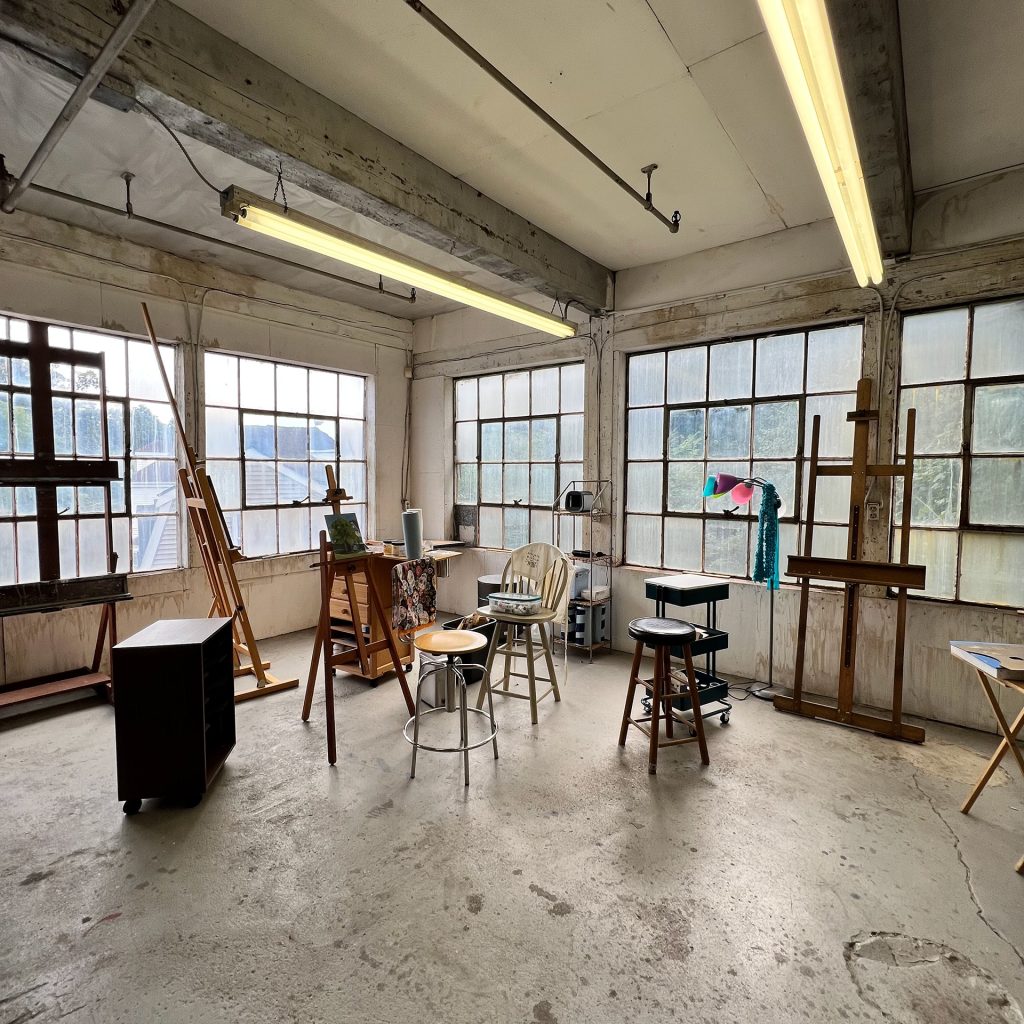
1.2 Tools involved in traditional artist studios
1. Basic measurement and drafting tools
Ruler, triangle ruler, French curve, tape measure, scale ruler, pencil, technical pen, marker, compass, template ruler, cutting mat.
2. Paper and Paperboard Processing Tools
Utility knife, scalpel, scissors, scoring tool, hole punch, spray adhesive, white glue, double-sided tape, clamps, weight, small heat press.
3. Woodworking Tools
Handsaw, coping saw, jigsaw, small table saw, woodworking clamp, wood rasp, hand plane, sandpaper, sander, woodworking drill, chamfer tool.
4. Fabric and Leather Tools
Fabric shears, rotary cutter, cutting mat, sewing machine, seam ripper, hole punch, leather knife, rivet setter, hand sewing needles, embossing tool.
Plaster / Ceramics / Model Tools
Mixing bucket, scraper, spatula, mold, carving tool, pottery clay tool, sanding block, small turntable, glazing tool.
6. Surface treatment tools
Brushes, spray guns, sponges, rollers, masking tape, sandpaper, seal brushes, wood wax oil tools, staining tools.
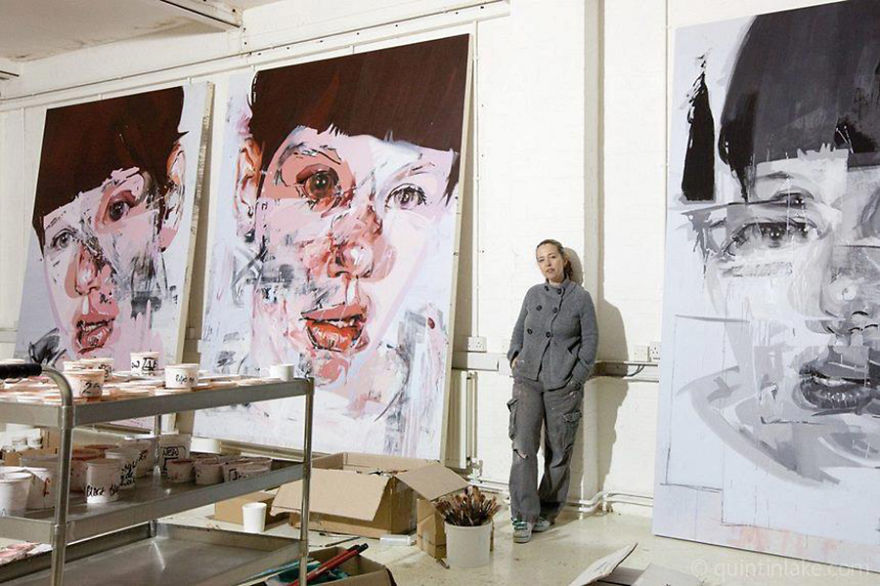
II.1. Tools Involved in Contemporary Artist Studios
Digital design tools
Desktop computer or laptop, drawing tablet, monitor, vector graphics software, 3D modeling software, parametric modeling software, printer.
2. Digital Cutting and Shaping Tools
Laser Cutting Machine, CNC Engraving Machine, 3D Printer, Heat Bending Machine, Vacuum Forming Machine, Water Jet Machining Support, Bench Drill
3. Metal and Sheet Metal Tools
Angle grinders, cutting machines, bending tools, welding machines, riveting tools, screwdrivers, drills, deburring tools, clamping systems.
4. Acrylic / Plastic / Composite Tools
Acrylic cutting knife, polisher, heat gun, edge banding tool, vacuum press auxiliary tool, resin mixing cup, degassing equipment.
5. Optoelectronics and Interactive Tools
LED light source, power supply, controller, wires, soldering station, multimeter, sensor, driver board, e-ink module, conductive fabric connector.
6. Surface and Display Tools
Airbrush, air compressor, UV curing lamp, laminating tool, sandblasting tool, light testing equipment, display stand.
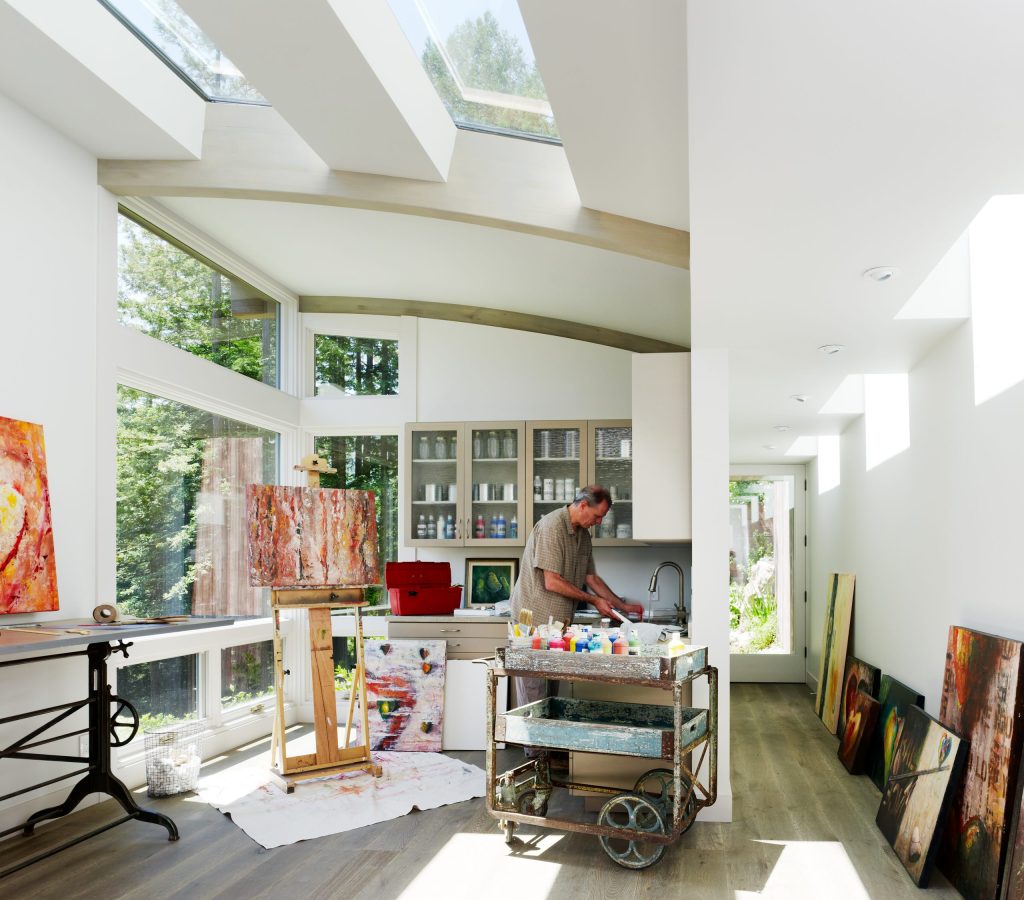
II.2: Contemporary Artist Studios
Location
Core materials include acrylic, aluminum plate, steel plate, PVC, resin, LED light panels, conductive fabric, smart film, 3D printing, and composite materials. Emphasis is placed on parametric structures, industrial precision, modular production, and display systems, suitable for “geometric abstraction + contemporary installation + productization.”
Spatial structure
Divided into six districts:
- Digital Design Zone: Computer Modeling, Vector Graphics, Parametric Structure Generation.
- Material Cutting Area: Cutting and pre-processing of sheet materials, films, and composites.
- Optoelectronic Test Area: LED, Dimming Film, E-paper, Conductive Fabric Testing.
- Assembly and debugging area: module assembly, wiring layout, interface fixing.
- Surface treatment areas: spraying, coating, frosting, sealing.
- Display and Shooting Area: For sample production, documentation, and commercial proposals.
Core Configuration
Computer, drawing tablet, laser cutter, 3D printer, heat bending equipment, vacuum forming equipment, small CNC, welding and grinding tools, electronic testing tools, light controller.
The focus here is on the continuous production chain of “digital file—processing—assembly—display.”
How it works
Starting from geometric templates and parametric structures, we form cuttable, printable, and assemblable components. Then, we add layers of light, electricity, transparency, reflection, and interaction, ultimately creating installations, facade templates, lighting compositions, interactive interfaces, or brand space systems.
Results-oriented
Acrylic installations, metal modules, luminous structures, smart skin prototypes, interactive exhibition devices, replicable product series for art.
III.1: Integrated Artist Studio
Location
Integrate traditional and contemporary materials, establishing an all-in-one system of “research—creation—prototyping—exhibition—commercialization.” This is not a simple addition; rather, it brings paper, wood, cloth, and plaster into the same geometric abstract system as acrylic, metal, resin, and electronic interfaces.
Spatial structure
Recommend adopting a “light front, heavy rear” layout:
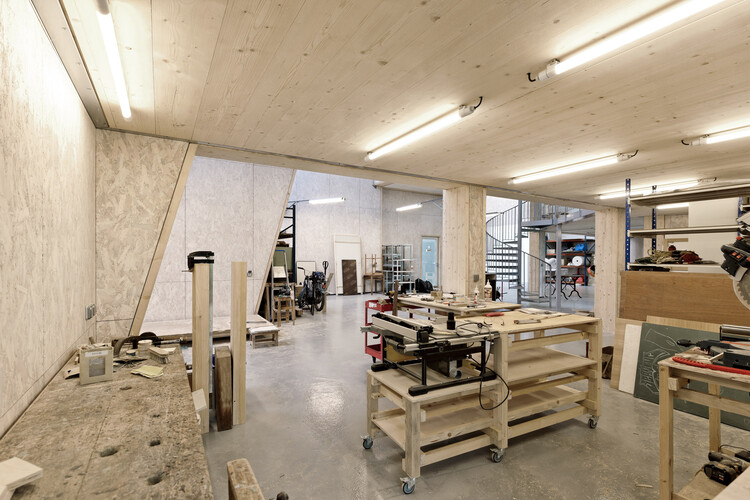
The front area is for research and sketching, the middle area is for traditional handicraft, the back area is for digital processing and assembly, and finally, there is a sample archive and public display area.
This can form a complete path: Sketch study → Material samples → Structural model → Industrial sample → Integrated finished product.
Core Configuration
It retains traditional workbenches, cutting tables, sewing, and embossing tools, and is also equipped with computers, laser cutters, 3D printers, lighting test, and surface treatment equipment.
The material library is established along three lines:
- Traditional lines: paper, wood, cloth, plaster, pottery, leather;
- Contemporary Lines: Acrylic, Aluminum Plate, Resin, Composite Materials, Thin Film
- Integrated lines: backlight paper structure, wood and acrylic composite, conductive fabric structure, resin interlayer, intelligent display interface.
How it works
First, verify the proportion, hierarchy, rhythm, and tactile qualities with traditional materials. Then, translate the mature structure into a contemporary material version, and finally, develop it into a system of works that can be exhibited, replicated, and commercially collaborated.
For example:
Paper grid → MDF relief → Acrylic backlit panel
Fabric splicing → Conductive fabric interactive version
Plaster blocks → Resin transparent plates → Spatial installation plates.
Results-oriented
Original artworks, limited edition art merchandise, exhibition installations, architectural facade prototypes, spatial furnishings, brand collaboration projects, educational course systems.
3.2 Tools Involved in Integrated Artist Studios
A comprehensive studio needs to cover “handmade + digital + interactive” simultaneously, and the tools are usually divided into 6 groups:
1. Research and drawing tools
Sketchbook, color swatch, scale ruler, template ruler, technical pen, drafting board, computer, printer.
Handicraft tools
Utility knife, scissors, scoring tool, woodworking clamp, handsaw, sandpaper, sewing machine, carving knife, die-cutting tool.
3. Digital Manufacturing Tools
Laser cutting machine, 3D printer, CNC, small heat press, heat bending equipment, vacuum forming equipment.
4. Assembly tools
Power drill, screwdriver, buckle tool, rivet tool, glue gun, welding machine, positioning fixture, assembly platform.
5. Surface treatment tools
Airbrush, brushes, rollers, sanders, UV lamps, sealing tools, masking tape, staining equipment.
6. Optoelectronic Interactive Tools
LED module, power supply, controller, soldering station, multimeter, sensor, conductive material connection tool, wiring management tool
 简体中文
简体中文  English
  日本語
日本語  Español
  Français
  हिन्दी
  العربية
  বাংলা
বাংলা  Português do Brasil
  Русский
  اردو
اردو  Bahasa Indonesia
  Deutsch
  Kiswahili
  मराठी
मराठी  తెలుగు
  Tiếng Việt
  Türkçe
  Italiano
  தமிழ்
தமிழ்  한국어
한국어