1. Circular

Among basic geometric symbols, the circle is the most holistic and inclusive structural form. It has no beginning or end, no directional differences, and no inherent hierarchical relationships. This formal characteristic has led to the circle being repeatedly used in different cultures and thought systems to embody concepts of wholeness, cyclicality, and unity. In the geometric symbol system, the symbolism of the circle does not derive from external metaphors but directly from its structural attributes.
From a formal perspective, a circle is a completely self-sufficient structure. All boundary points are equidistant from the center; this absolute balance makes the circle an extreme form of "stability." Unlike geometric shapes such as squares and triangles, which have definite directions and corners, the circle dissolves the sense of direction and tension, presenting a continuous and closed state. Therefore, the circle is often associated symbolically with completeness, unity, and wholeness; however, this association is not artificially assigned but naturally generated by its structure.
Another important symbolic dimension of the circle lies in its cyclical nature. Since there is no beginning or end, the circle naturally points to repetition, return, and continuous movement. In the dimension of time, it suggests a non-linear existence, contrasting with processes, stages, or causal chains. This cyclical structure makes the circle often used to express processual concepts of generation, evolution, and continuous change, rather than one-off events.
In the context of geometric abstraction, the symbolism of the circle is not expressed in concrete meaning, but rather in its ability to integrate relationships. A circle can accommodate other geometric forms, incorporating multiple opposing relationships into the same system. For example, inside and outside, center and edge, expansion and contraction can all be presented simultaneously through the structure of a circle without conflict. Therefore, the circle often plays the role of a "system integrator," and its symbolic meaning is more reflected at the structural level than in visual associations.
The circle also possesses a significant non-hierarchical characteristic. Within its structure, there are no inherent "up," "down," "left," or "right"; any point can serve as a reference. This de-hierarchical nature often associates the circle symbolically with equality, a holistic perspective, or a decentralized system. In geometric symbolic systems, this characteristic makes the circle an important tool for expressing overall structure or field concepts.
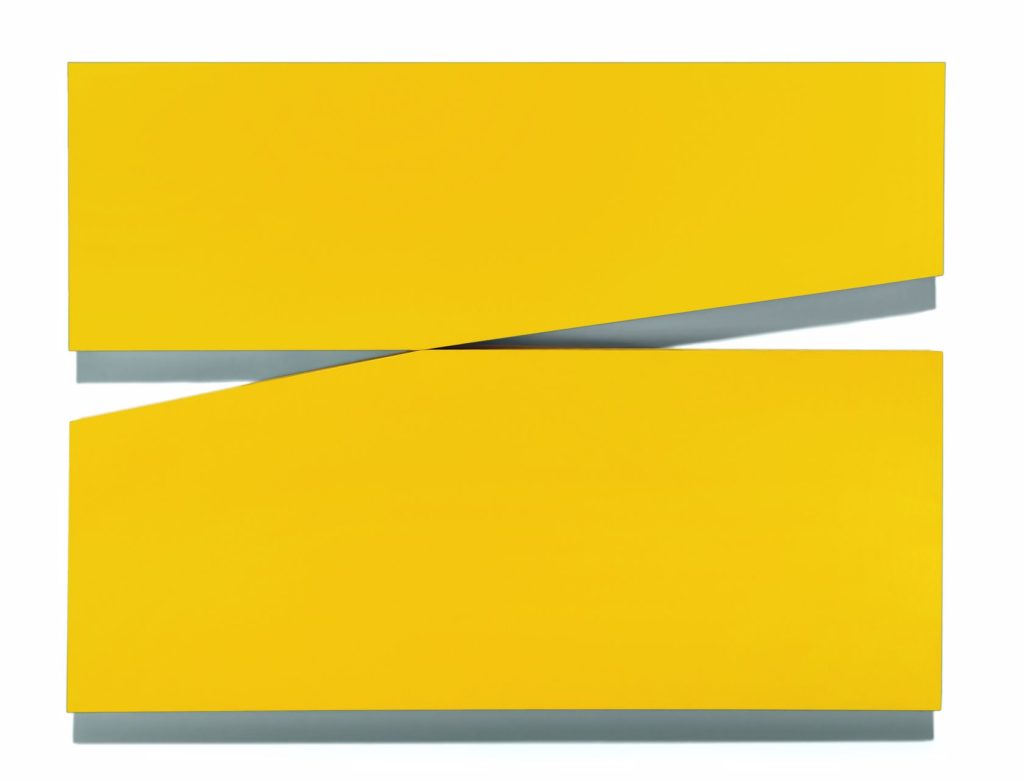
It is worth noting that the symbolism of the circle is not fixed in geometric systems. Its symbolic effect changes when a circle is cut, superimposed, nested, or offset. A complete circle emphasizes unity and closure, while a broken circle introduces tension and openness. This illustrates that the symbolic meaning of a circle does not exist independently but depends on its structural relationship.
Therefore, in the basic geometric symbol system, the circle does not simply symbolize a particular concept, but rather serves as a fundamental form capable of embodying wholeness, cyclicality, and non-hierarchical structures. Its symbolism does not derive from the cultural symbol system, but from its geometric structure itself. In abstract art and geometric language, the circle, through this structural symbolism, becomes a crucial visual unit for understanding the relationships between the whole, process, and system.
Lesson B2-1: Symbolic Analysis of Basic Geometric Symbols - Circle (Click to listen to the reading)
Among basic geometric symbols, the circle is the most holistic and inclusive structural form. It has no beginning or end, no directional differences, and no inherent hierarchical relationships. This formal characteristic has led to the circle being repeatedly used in different cultures and thought systems to embody concepts of wholeness, cyclicality, and unity. In the geometric symbol system, the symbolism of the circle does not derive from external metaphors but directly from its structural attributes. From a formal perspective, the circle is a completely self-sufficient structure. All boundary points are equidistant from the center; this absolute balance makes the circle an extreme form of "stability." Unlike squares, triangles, and other geometric forms with definite directions and corners, the circle dissolves the sense of direction and tension, presenting a continuous and closed state. Therefore, the circle is often associated symbolically with completeness, unity, and wholeness, but this association is not artificially assigned but naturally generated by its structure. Another important symbolic dimension of the circle lies in its cyclicality. Since it has no beginning or end, the circle naturally points to repetition, return, and continuous movement. In the temporal dimension, it suggests a non-linear existence, contrasting with processes, stages, or causal chains. This cyclical structure makes the circle frequently used to express processual concepts of generation, evolution, and continuous change, rather than one-off events. In the context of geometric abstraction, the symbolism of the circle is not manifested in concrete meaning, but rather in its ability to integrate relationships. The circle can accommodate other geometric forms, incorporating multiple opposing relationships into the same system. For example, inside and outside, center and edge, expansion and contraction can all be presented simultaneously through the structure of the circle without conflict. Therefore, the circle often plays the role of a "system integrator," its symbolic meaning manifested more at the structural level than in image association. The circle also possesses a significant non-hierarchical characteristic. In the structure of a circle, there are no natural "up," "down," "left," or "right"; any point can serve as a reference. This de-hierarchy often associates the circle symbolically with equality, a holistic perspective, or a decentralized system. In geometric symbolic systems, this characteristic makes the circle an important tool for expressing overall structure or field concepts. It is worth noting that the symbolism of the circle is not fixed in geometric systems. When a circle is cut, superimposed, nested, or offset, its symbolic effect changes. A complete circle emphasizes unity and closure, while a broken circle introduces tension and openness. This illustrates that the symbolic meaning of the circle does not exist independently, but depends on its structural relationship. Therefore, in the basic geometric symbol system, the circle does not simply symbolize a particular concept, but is a fundamental form capable of embodying wholeness, cyclicality, and non-hierarchical structures. Its symbolism does not derive from the cultural symbol system, but from its geometric structure itself. In abstract art and geometric language, the circle, through this structural symbolism, becomes an important visual unit for understanding the relationships between the whole, process, and system.
 简体中文
简体中文  English
  日本語
日本語  Español
  Français
  हिन्दी
  العربية
  বাংলা
বাংলা  Português do Brasil
  Русский
  اردو
اردو  Bahasa Indonesia
  Deutsch
  Kiswahili
  मराठी
मराठी  తెలుగు
  Tiếng Việt
  Türkçe
  Italiano
  தமிழ்
தமிழ்  한국어
한국어