Frank Stella
In the creative system of geometric abstract art, color not only serves the organizational function of formal structure but also possesses the potential for symbolic expression. Although geometric abstract art typically avoids direct figurative depiction, color can still form symbolic meaning in the viewer's understanding through visual perception, cultural experience, and structural placement. Therefore, in geometric abstract creation, the symbolism of color is not expressed through the depiction of concrete objects but rather as a visual suggestion that gradually forms within the organization of geometric structures and the relationship between color. This symbolism maintains the formal purity of geometric abstract art while also providing a deeper expressive space for the work.
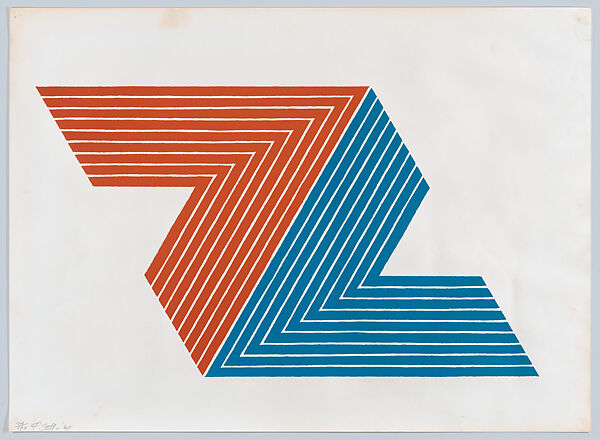
Firstly, the symbolism of color in geometric abstract art is often manifested through the psychological associations of basic colors. Different colors typically evoke different feelings in visual psychology. For example, red is often understood as power, vitality, or emphasis; blue often gives a sense of stability, rationality, and calmness; and yellow is easily associated with light, energy, or expansion. In geometric abstract art, when these colors are applied to different geometric forms, viewers often subconsciously generate corresponding psychological associations. Although the image does not directly depict specific content, color can still form symbolic meaning in the viewer's perception.
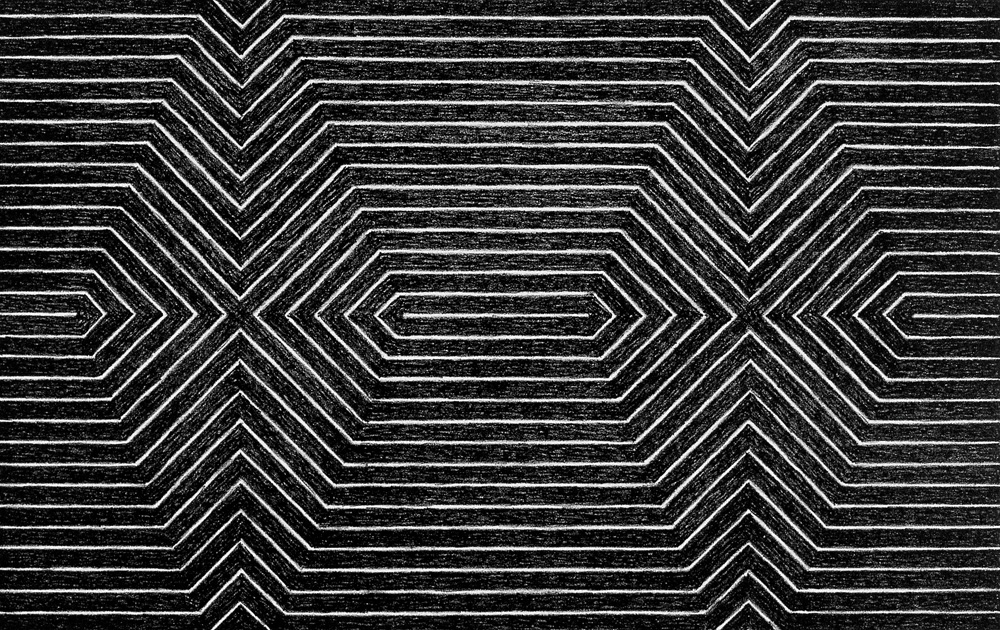
Secondly, the symbolism of color is often closely related to the positional relationship of geometric structures. In geometric abstract works, different areas have different degrees of importance within the structure. For example, the central area usually has higher visual weight, while the peripheral areas play a more supporting role. When a color with strong symbolic meaning is placed at the center of the structure, it is often perceived as the visual core of the image, thus acquiring a more pronounced symbolic meaning psychologically. For instance, in a regular grid or rectangular structure, if a core unit uses a bright color, it is easily perceived by the viewer as the structural focal point. In this way, color not only participates in formal composition but also forms a symbolic expression under the influence of structural position.
Furthermore, the relationships between colors can also enhance symbolic meaning. When different colors create a contrasting relationship in an image, viewers often interpret this contrast as a kind of conceptual opposition or balance. For example, the contrast between warm and cool colors might be interpreted as a relationship between activity and tranquility; the difference between high and low brightness might be interpreted as a relationship between prominence and background. This symbolic meaning generated by color contrast is not a direct narrative, but rather gradually forms in the viewer's understanding through visual relationships.
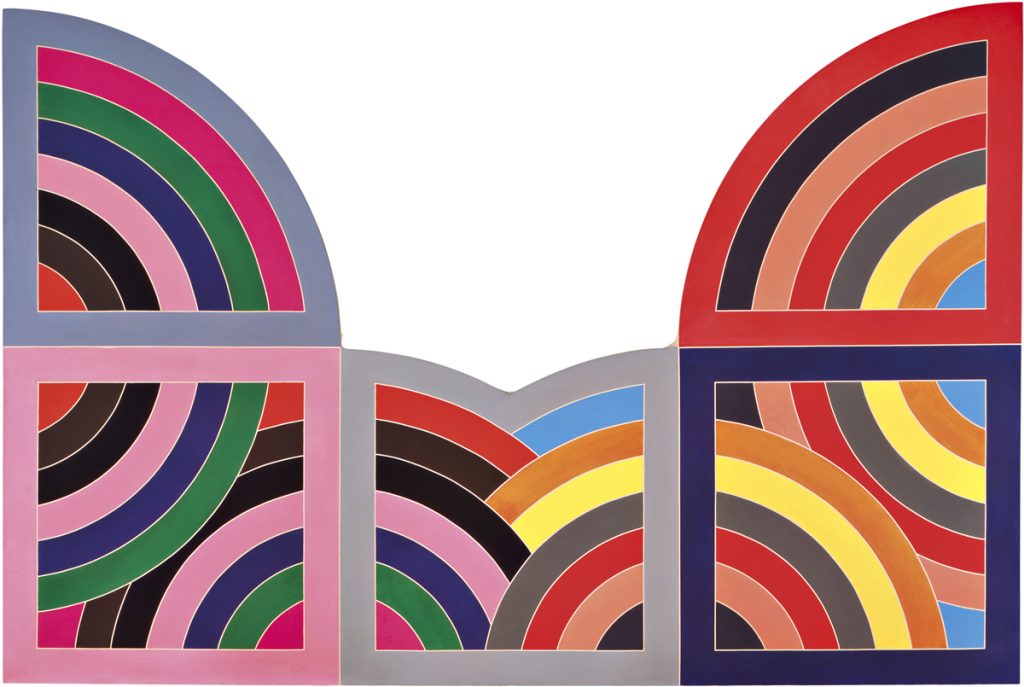
In geometric abstract art, the repetition of color can also enhance symbolic effects. When a particular color appears repeatedly in different areas of an image, viewers often establish connections between these locations, thus forming an overall meaning. For example, when a certain color appears repeatedly in multiple geometric units, it may be interpreted as an important element running through the entire structure. Through this repetitive relationship, color is no longer just a local decoration, but becomes a visual symbol within the structural system, thus forming a symbolic presence in the overall structure.
The formation of color symbolism is also closely related to cultural experience. In different cultural contexts, colors often carry different symbolic traditions. For example, in some cultures, red symbolizes joy or vitality, while in others it may symbolize warning or danger. When these colors appear in geometric abstract works, viewers often interpret them based on their own cultural experiences. Therefore, the symbolism of color in geometric abstract art has a certain openness; it is not entirely defined by the artwork but rather continuously generated during the viewer's observation.
Frank Stella
However, in geometric abstract art, the symbolic use of color still needs to be coordinated with the overall structure. Too much or too chaotic use of symbolic colors can weaken the clarity of the structure. Therefore, artists typically select representative colors from a limited color system and reinforce their meaning through placement, repetition, or contrast. In this way, color can fulfill its symbolic function without disrupting the order of the geometric structure.
In the creation of geometric abstract art, the symbolism of color is not achieved through the direct depiction of specific objects, but rather gradually forms under the combined influence of structural relationships, visual contrast, and cultural associations. Color, through its psychological associations, positional relationships, repetitive distribution, and cultural background, becomes a carrier of meaning within geometric structures. It is precisely in this process of combining form and symbolism that geometric abstract art not only maintains a rational structural order but also acquires richer layers of expression, enabling simple geometric forms to carry diverse and profound visual meanings.
Module Six: The Symbolic Use of Color in Geometric Abstract Creation (Click to view and listen to the reading)
In the creative system of geometric abstract art, color not only serves the organizational function of formal structure but also possesses the potential for symbolic expression. Although geometric abstract art typically avoids direct figurative depiction, color can still form symbolic meaning in the viewer's understanding through visual perception, cultural experience, and structural placement. Therefore, in geometric abstract creation, the symbolism of color is not expressed through the depiction of concrete objects but rather as a visual suggestion gradually formed within the organization of geometric structures and the relationship between color. This symbolism maintains the formal purity of geometric abstract art while providing a deeper expressive space for the work. First, the symbolism of color in geometric abstract creation is often manifested through the psychological associations of basic colors. Different colors typically have different perceptual tendencies in visual psychology. For example, red is often understood as power, vitality, or emphasis; blue often gives a feeling of stability, rationality, and calmness; and yellow is easily associated with light, energy, or expansion. In geometric abstract art, when these colors are applied to different geometric forms, viewers often subconsciously generate corresponding psychological associations. Although the image does not directly depict specific content, color can still form symbolic meaning in the viewer's perception. Secondly, the symbolism of color is often closely related to the positional relationship of geometric structures. In geometric abstract works, different areas have different degrees of importance within the structure. For example, the central area usually has higher visual weight, while the peripheral areas play a more supporting role. When a color with strong symbolism is placed at the center of the structure, it is often understood as the visual core of the image, thus acquiring a more obvious symbolic meaning psychologically. For example, in a regular grid or rectangular structure, if a core unit uses a bright color, it is easily understood by the viewer as the structural focal point. In this way, color not only participates in formal composition but also forms a symbolic expression under the influence of structural position. Furthermore, the relationship between colors can also strengthen symbolic meaning. When different colors form a contrasting relationship in the image, the viewer often interprets this contrast as a kind of conceptual opposition or balance. For example, the contrast between warm and cool colors may be understood as a relationship between activity and tranquility; the difference between high and low brightness may be understood as a relationship between prominence and background. This symbolic meaning generated by color contrast is not a direct narrative but gradually forms in the viewer's understanding through visual relationships. In geometric abstract creations, the repetition of colors can also enhance the symbolic effect. When a color appears repeatedly in different areas of an image, viewers often establish connections between these locations, thus forming an overall meaning. For example, when a certain color appears repeatedly in multiple geometric units, it may be interpreted as an important element running through the entire structure. Through this repetition, color is no longer just a local decoration but becomes a visual symbol within the structural system, thus forming a symbolic presence in the overall structure. The formation of color symbolism is also closely related to cultural experience. In different cultural backgrounds, color often carries different symbolic traditions. For example, in some cultures, red symbolizes joy or vitality, while in others it may symbolize warning or danger. When these colors appear in geometric abstract works, viewers often interpret them based on their own cultural experiences. Therefore, color symbolism in geometric abstract art has a certain openness; it is not entirely defined by the work but is constantly generated during the viewer's viewing process. However, in geometric abstract creation, the use of color symbolism still needs to be coordinated with the overall structure. If too many symbolic colors are used or too chaotically, it may weaken the clarity of the structure. Therefore, artists usually select representative colors from a limited color system and strengthen their meaning through position, repetition, or contrast. In this way, color can fulfill its symbolic function without disrupting the order of the geometric structure. Overall, in the creation of geometric abstract art, the symbolism of color is not achieved through the direct depiction of specific objects, but rather gradually forms under the combined influence of structural relationships, visual contrast, and cultural associations. Through its psychological associations, positional relationships, repetitive distribution, and cultural background, color becomes a carrier of meaning within the geometric structure. It is precisely in this process of combining form and symbolism that geometric abstract art not only maintains a rational structural order but also acquires richer layers of expression, enabling simple geometric forms to carry diverse and profound visual meanings.
 简体中文
简体中文  English
  日本語
日本語  Español
  Français
  हिन्दी
  العربية
  বাংলা
বাংলা  Português do Brasil
  Русский
  اردو
اردو  Bahasa Indonesia
  Deutsch
  Kiswahili
  मराठी
मराठी  తెలుగు
  Tiếng Việt
  Türkçe
  Italiano
  தமிழ்
தமிழ்  한국어
한국어