Core purpose
MICHELLE BENOIT
Geometric abstract art is visually presented as simple and clear formal structures. However, its essence is not solely dependent on geometric shapes themselves, but is closely related to materials, craftsmanship, and various integrated technical means. The application of materials, craftsmanship, and integrated techniques not only determines the external texture of the work but also influences the generation of structure, visual rhythm, and the viewer's perceptual experience. Therefore, in geometric abstract art, these technical choices are not subordinate conditions but constitute an important part of the artistic language. Its core purpose is to achieve a stable visual order for geometric structures through the rational use of materials and techniques, while simultaneously producing rich and layered expressive effects across different media conditions.
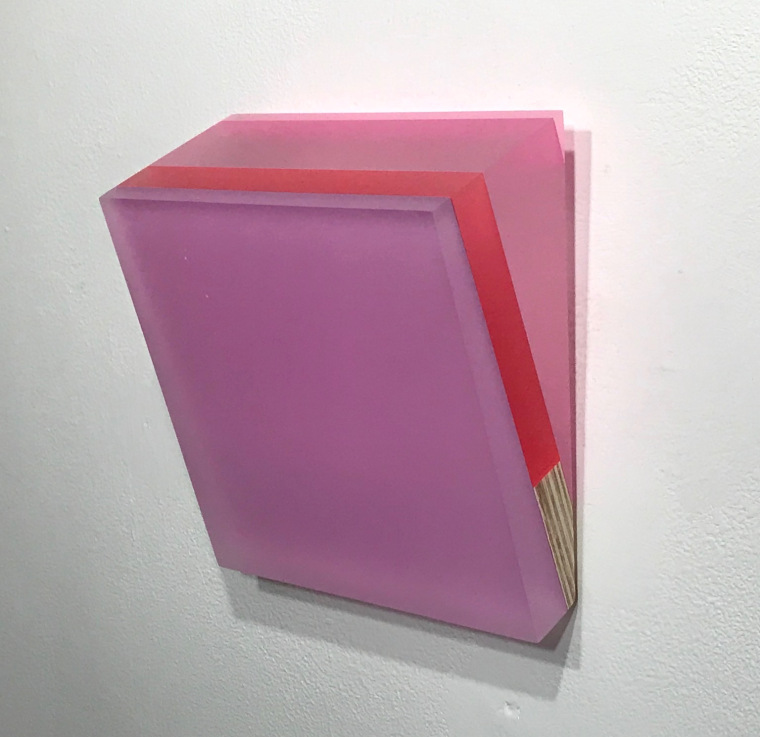
First, material selection is a crucial foundation for geometric abstract art. Different materials possess distinct textures, color absorption capabilities, and surface structures, all of which directly influence how geometric forms are presented. For instance, in paper-based paintings, a smooth or rough paper surface can alter the sharpness of line edges. On wood or metal, geometric forms will exhibit varying visual impact due to material reflection and differences in hardness. Materials not only serve to carry the image but also participate in constructing the overall visual structure of the artwork. By choosing different materials, artists can enhance the sense of order, weight, or spatiality of geometric forms, imbuing abstract structures with richer visual layers.
Victor Vasarely
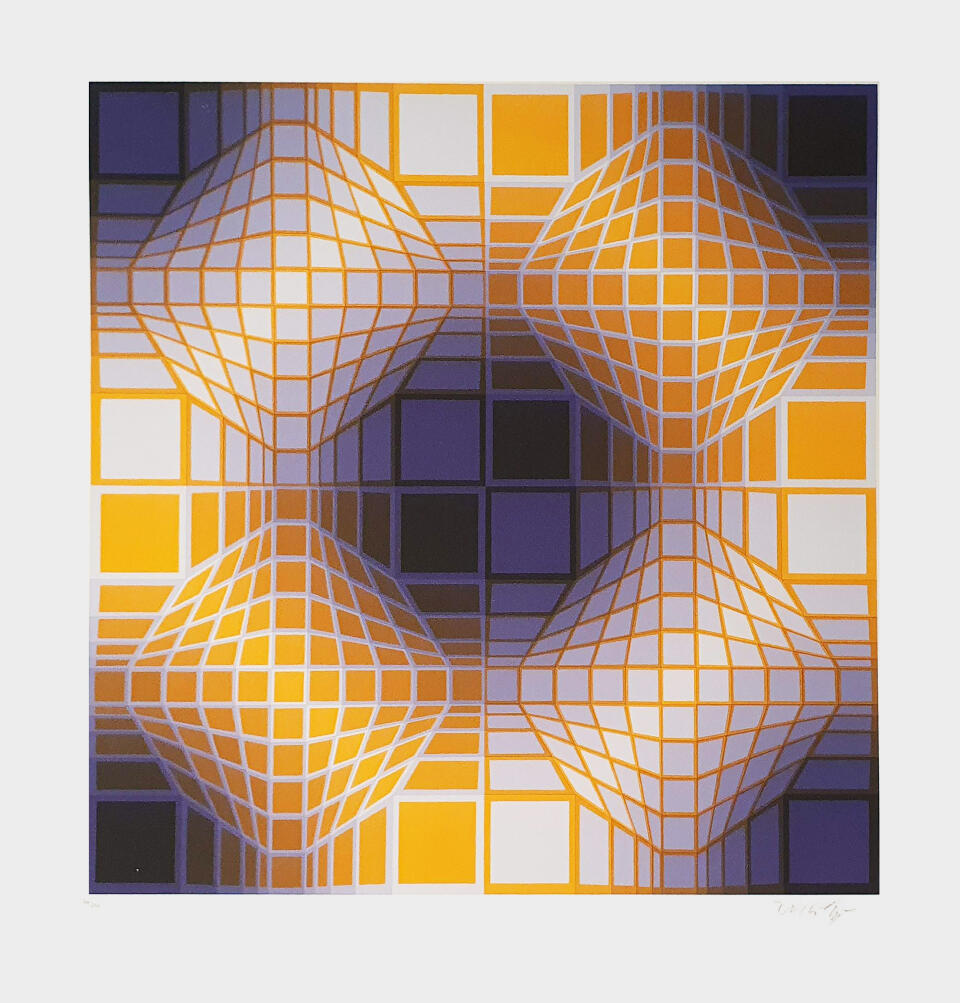
Secondly, craftsmanship plays a role in organizing and controlling the structure in geometric abstract art. Craftsmanship encompasses techniques such as drawing methods, production processes, and the ways materials are handled and processed. For example, in printmaking, the craft of carving and printing produces unique line textures and repetitive effects, allowing geometric structures to present clear and rhythmic visual forms. In collage or installation works, techniques like cutting, assembling, and adhering create distinct boundary relationships and structural contrasts between different forms. Craftsmanship not only ensures structural accuracy but also provides stability and reproducibility at a technical level, thereby reinforcing the emphasis on order and system characteristic of geometric abstract art.
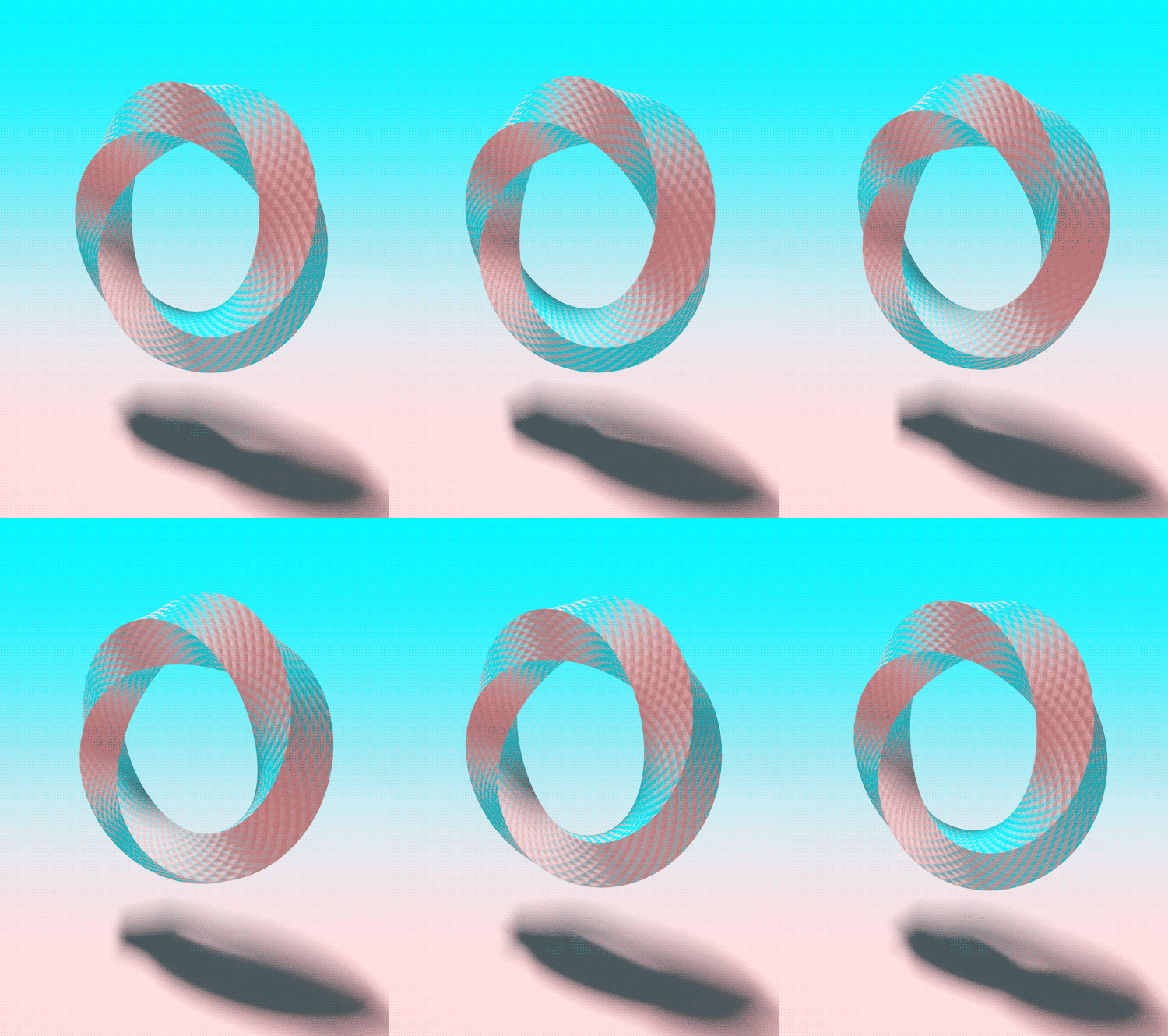
Again, the use of integrated means has expanded geometric abstract art from a single medium to a creative method combining multiple techniques. With the development of modern technology, geometric abstract art is no longer limited to traditional painting or sculpture, but has gradually incorporated various forms such as photography, digital drawing, projection, installation, and generative art. In digital media, algorithms can automatically generate complex geometric structures according to certain rules, enabling works to have possibilities for variation and evolution. In projection or optical installations, the combination of light and space can produce dynamic geometric effects, transforming static structures into visual experiences with a temporal dimension. The addition of integrated means has continuously expanded the scope of expression for geometric abstract art, and also allows it to develop continuously in different environments and media.
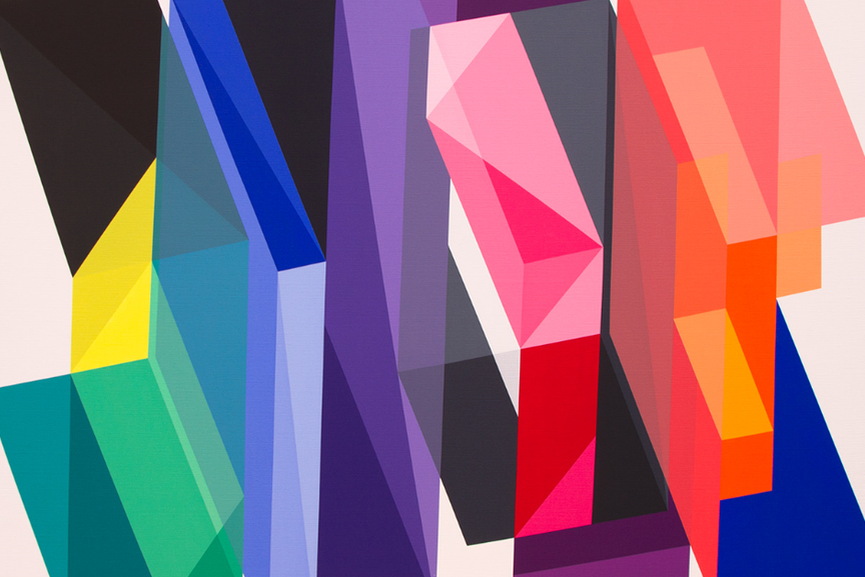
Furthermore, the integration of materials, techniques, and comprehensive methods can also help artists establish a more systematic creative approach. Geometric abstract art emphasizes the logicality of structure and a sense of order, thus the creative process often requires completion through clear steps and rules. For example, from the initial composition to material selection, then to the production process and final presentation, each stage requires maintaining a balance between technique and art. Through this systematic method, artists can continuously explore new visual possibilities while maintaining structural stability, making their works possess both rational organizational structures and rich expressiveness.
Arthur Dorval
At the teaching and practical levels, understanding the roles of materials and craftsmanship is equally important. After learners grasp the principles of geometric composition, they can gain a deeper understanding of how geometric structures change within real-world media through experiments with different materials and techniques. For example, the same composition can produce entirely different visual effects in paper drawing, printmaking, or digital images. Through comparison and practice, learners can recognize how technical conditions influence visual language, thereby achieving a more comprehensive understanding of the creative logic behind geometric abstract art.
Overall, the core purpose of materials, techniques, and integrative approaches in geometric abstract art is not simply to pursue technical complexity or media diversity, but to strengthen structural order, enrich visual layers, and expand the expressive range of geometric language through these means. Materials provide the material basis for visual structure, techniques ensure the accuracy and stability of the structure, and integrative approaches enable geometric abstract art to continuously evolve under different media and technical conditions. Through the combination of the three, geometric abstract art can not only maintain its characteristics of rationality and order, but also demonstrate new creativity and expressiveness in a constantly changing technological environment.
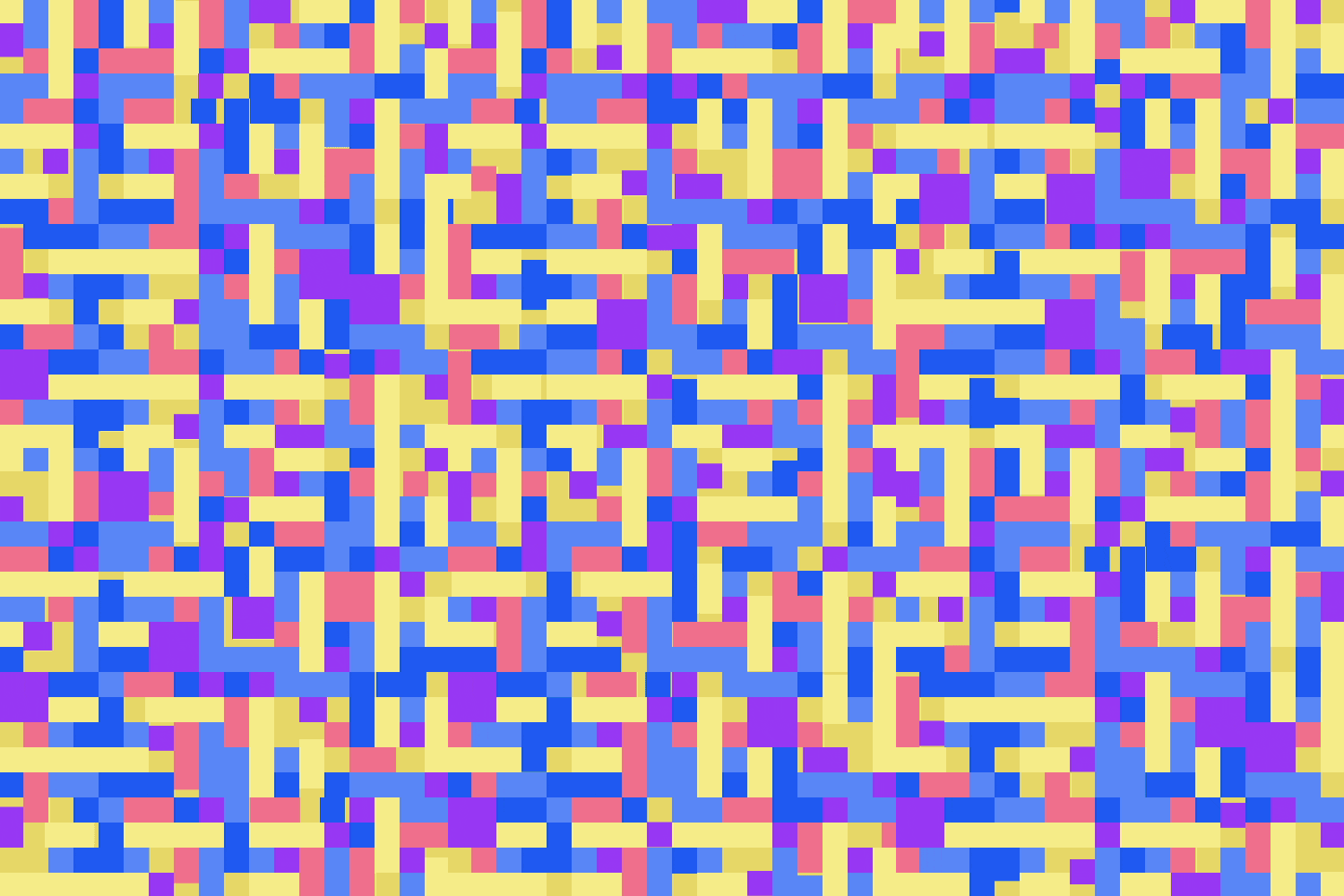
Lesson E1: Materials, Techniques, and Synthesis in Geometric Abstract Art. Click to view. Listen to the audio.
Geometric abstract art is visually presented as a simple and clear structure, but behind it does not rely solely on the geometric shapes themselves, but is closely related to the materials, craftsmanship and a variety of integrated technical means. The use of materials, craftsmanship and comprehensive means not only determines the external texture of the work, but also influences the way the structure is generated, the visual rhythm and the viewer's perceptual experience. Therefore, in geometric abstract art, the choice of these technical aspects is not a subsidiary condition, but an important part of the artistic language. The core purpose is to make the geometric structure obtain a stable visual order through the reasonable use of materials and techniques, and at the same time to produce rich and multi-layered expressive effects in different media conditions. First of all, the selection of materials is the important foundation of geometric abstract art. Different materials have different textures, color adsorption abilities and surface structures, and these characteristics will directly affect the presentation of geometric forms. For example, in paper painting, smooth or rough paper surface will change the edge clarity of the lines; in wood or metal materials, geometric forms will present different visual intensity due to the difference in material reflection and hardness. Materials not only bear the function of carrying images, but also participate in forming the overall visual structure of the work. By choosing different materials, artists can strengthen the sense of order, weight or space of geometric forms, so that the abstract structure can obtain richer visual levels. Secondly, craftsmanship plays a role in organizing and controlling the structure in geometric abstract art. Craftsmanship includes drawing methods, production processes, and technical ways of processing materials. For example, in printmaking, the process of engraving and printing produces a unique line texture and repetition effect, making the geometric structure present a clear and rhythmic visual form. In collage or installation works, through cutting, combining and pasting, it is possible to form a clear boundary relationship and structural contrast between different forms. The process not only ensures the accuracy of the structure, but also makes the work technically stable and repeatable, thus strengthening the characteristics of geometric abstract art that emphasizes order and system. Once again, the use of comprehensive means enables geometric abstract art to expand from a single medium to the creation of a combination of multiple technologies. With the development of modern technology, geometric abstract art is no longer limited to traditional painting or sculpture, but is gradually integrated into various forms such as photography, digital drawing, projection, installation and generative art. In digital media, algorithms can automatically generate complex geometric structures according to certain rules, allowing for the possibility of change and evolution. In projections or optical installations, the combination of light and space can produce dynamic geometric effects, transforming static structures into visual experiences with a temporal dimension. The addition of synthesized means expands the expressive range of geometric abstract art and allows it to continue to evolve in different environments and mediums. In addition, the combination of materials, processes and integrated means can help artists establish a more systematic approach to creation. Geometric abstract art emphasizes the logic and sense of order of structure, so the creative process often needs to be completed through clear steps and rules. For example, from the initial composition to the selection of materials, to the production process and final presentation, each stage needs to maintain a balance between technology and art. Through this systematic approach, the artist can keep exploring new visual possibilities while maintaining structural stability, so that the work is both rationally organized and richly expressive. At the level of teaching and practice, it is equally important to understand the role of materials and processes. After mastering the principles of geometric composition, learners can gain a deeper understanding of the variations of geometric structures in real media by experimenting with different materials and techniques. For example, the same composition may have a completely different visual effect in a drawing on paper, a print, or a digital image. Comparison and practice can help learners recognize how technical conditions affect visual language, leading to a more comprehensive understanding of the creative logic of geometric abstract art. Taken together, the core purpose of materials, processes and means of synthesis in geometric abstract art is not simply to pursue technical complexity or media variety, but rather to strengthen the order of the structure, enrich the visual hierarchy, and expand the scope of expression of the geometric language through these means. Materials provide the material basis for the visual structure, craftsmanship ensures the accuracy and stability of the structure, and synthesis enables geometric abstract art to evolve in different media and technical conditions. Through the combination of the three, Geometric Abstract Art not only maintains its rationality and order, but also demonstrates new creativity and expressiveness in the ever-changing technological environment.
 简体中文
简体中文  English
  日本語
日本語  Español
  Français
  हिन्दी
  العربية
  বাংলা
বাংলা  Português do Brasil
  Русский
  اردو
اردو  Bahasa Indonesia
  Deutsch
  Kiswahili
  मराठी
मराठी  తెలుగు
  Tiếng Việt
  Türkçe
  Italiano
  தமிழ்
தமிழ்  한국어
한국어