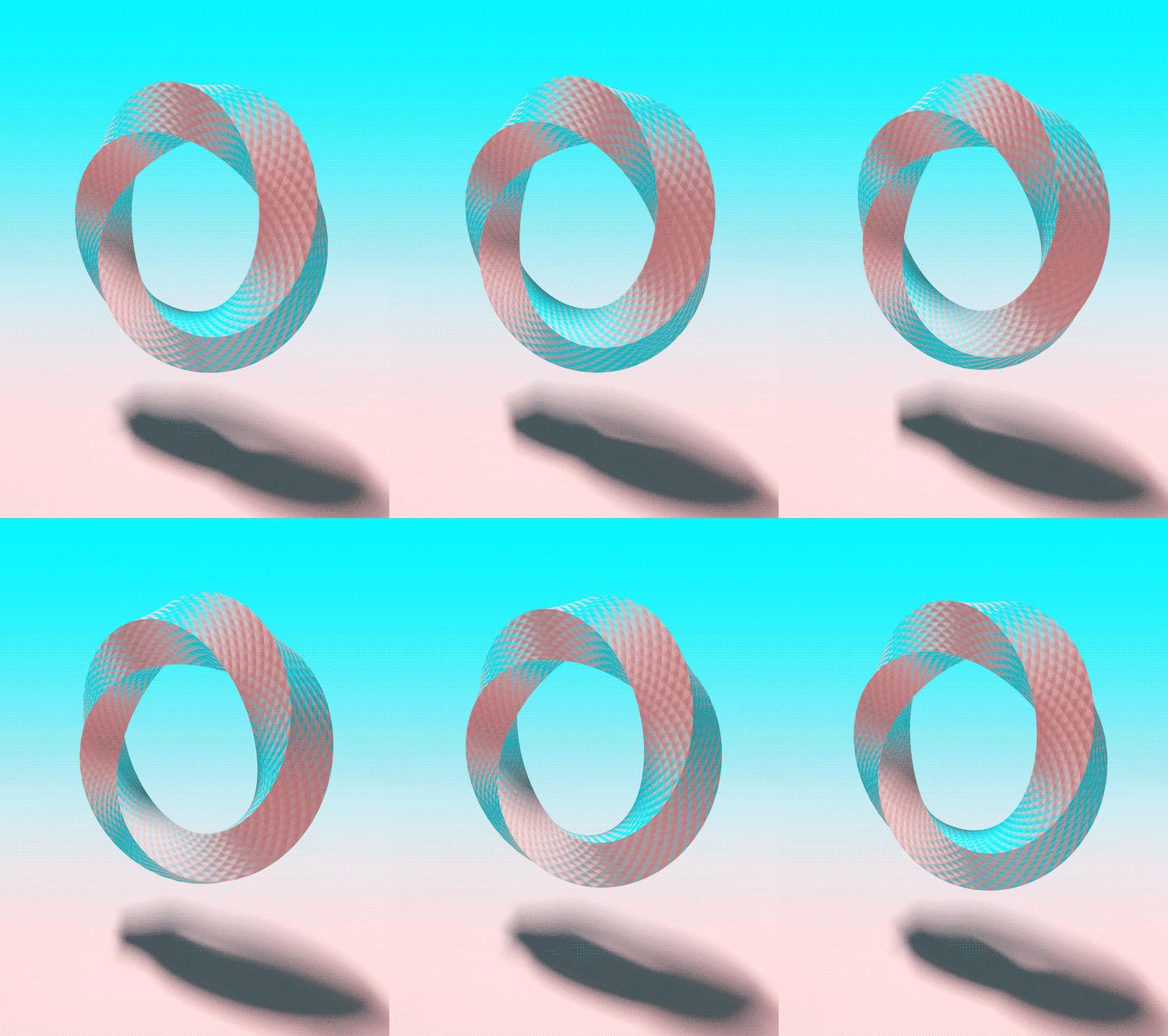
Therefore, in the future evolution of geometric abstract art, the most valuable role of artificial intelligence will not be as a replacement for artists, but as an amplifier and co-creator. This judgment is very important because it determines how we understand the relationship between AI and art. If AI is merely seen as an “automatic image generation tool,” its significance will quickly be consumed by efficiency, quantity, and superficial novelty. However, if it is viewed within a deeper creative structure, it becomes apparent that what it truly changes is not whether artists still need to exist, but how artists see, think, experiment, construct, and advance geometric abstract art to new methodological levels.
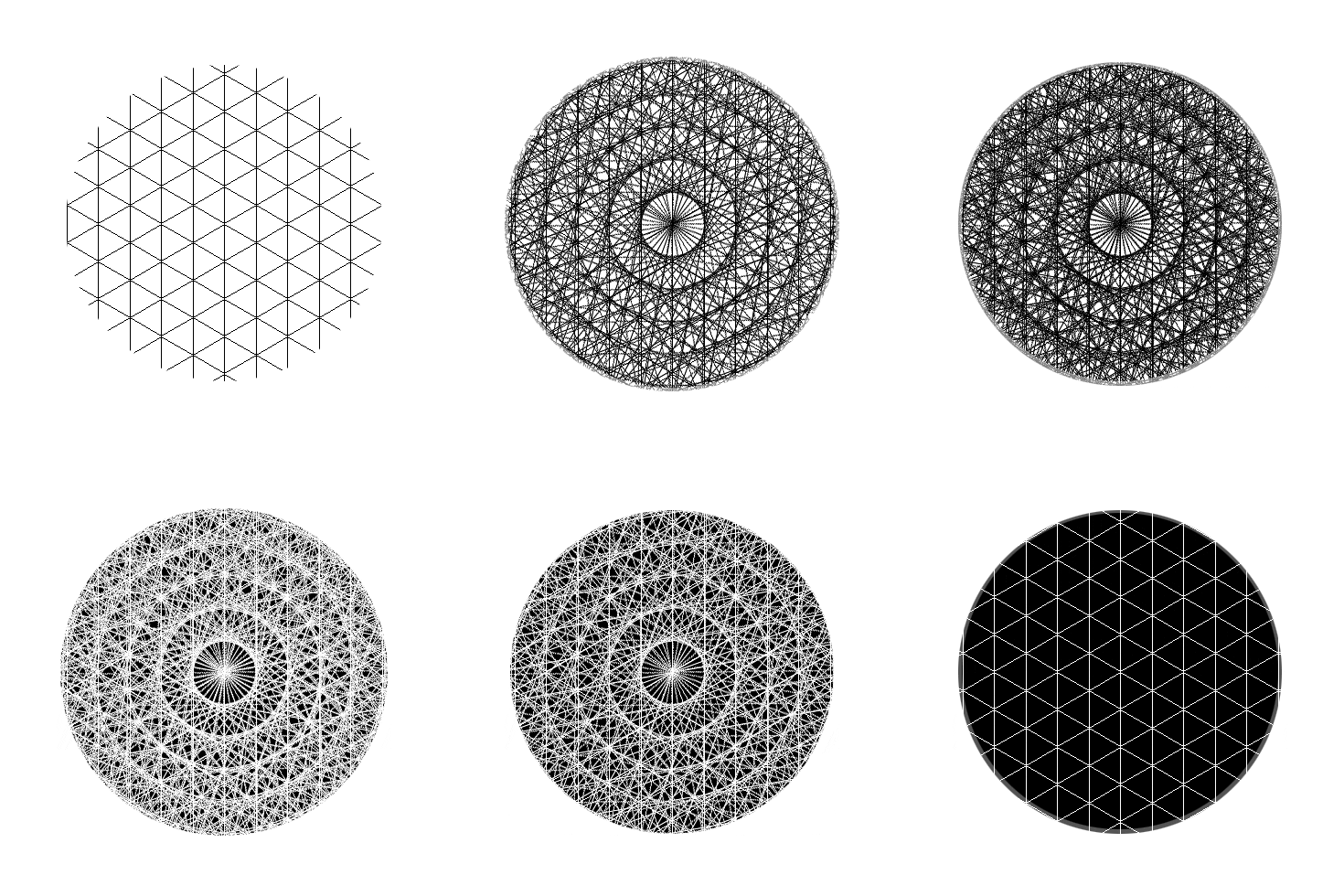
First, AI is an amplifier. It amplifies not just hollow production speed, but the artist's observational and experimental abilities. Geometric abstract art may appear to be composed of simple elements, but what truly determines the quality of the work often lies in very subtle structural judgments: how much should a line be shifted in position to create tension, how much should the proportion of a plane change to break balance without losing control, and how should a set of colors be distributed to be both unified and have a sense of breath. In traditional creation, these judgments often require accumulating experience through numerous sketches, repeated revisions, and long-term training. AI, however, can rapidly generate a multitude of compositional experiments, allowing artists to see multiple possibilities simultaneously. Consequently, artists are no longer confined to a single path of progress but can compare, select, revise, and judge within a broader space of possibilities. What AI amplifies is precisely this sensitivity and discernment that originally belonged to humans.
Secondly, AI is an analyzer. The core of geometric abstract art is not narrative content, but the structural relationships themselves. Line density, shape proportion, negative space, balance of gravity, visual rhythm, and color progression are issues that in the past relied more on experience to perceive. However, AI can visualize, compare, and discuss these originally implicit relationships. It can help artists see what is truly happening within their work: where it is too heavy, where it is too empty, where repetition is too mechanical, and where the color distribution has lost its layers. This way, creation is no longer just an emotional experiment, but also a process of reflection and knowledge accumulation. This analytical capability is particularly valuable for geometric abstract art because it does not diminish artistic quality but rather makes the work's sense of order, rhythm, and presence more lucidly established.
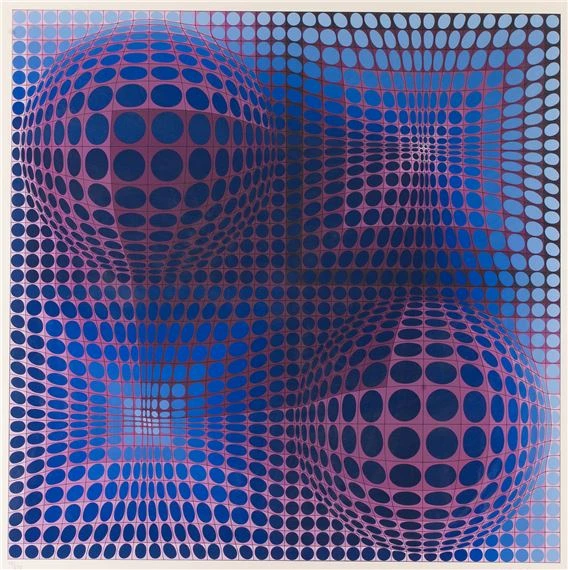
Again, AI is a co-creator. An important direction for the future of geometric abstract art is not simply completing a picture, but establishing a visual system capable of continuous derivation. The artist sets the grid logic, module relationships, color proportions, evolution boundaries, and generation rules, and AI then continuously unfolds new structural states within this framework. Thus, a work is no longer just a one-time result, but more like a family system that can expand, differentiate, and grow. Here, the artist's role also elevates: they are no longer just the direct depictor, but the rule-setter, system designer, and outcome-selector. AI does not replace creativity, but pushes creativity to a higher level, as the artist is no longer just thinking about “what to paint,” but “what kind of mechanism can continuously generate valuable results.”
But precisely because of this, truly powerful geometric abstract art in the future will not consider “AI-generated” as the meaning of the work itself. Merely relying on AI to automatically generate large quantities of images will not naturally lead to art with true substance. What is truly important is whether artists can leverage AI to advance geometric language to more complex, lucid, and contemporary levels. Complexity here does not mean more flashy visuals, but richer relationships and deeper structures; lucidity does not mean colder forms, but a clearer awareness of proportion, order, rhythm, and generative mechanisms; and a sense of the times does not mean chasing technological trends, but rather a re-understanding of why geometric abstraction remains powerful within today's data environment, systemic consciousness, and cross-media conditions.
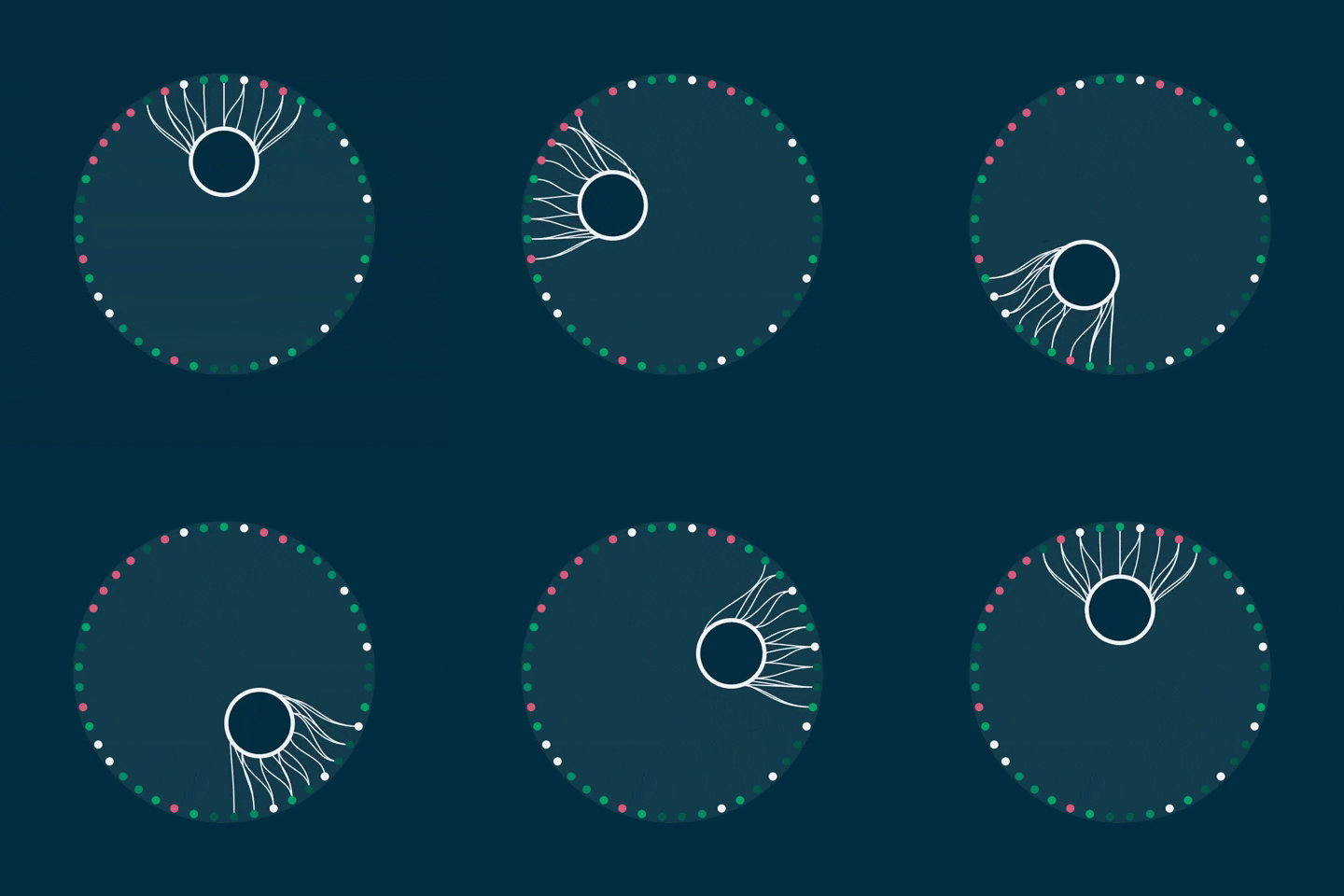
Therefore, the most valuable aspect of AI lies not in completing creative work for humans, but in helping artists expand their observations, deepen their understanding, broaden their experiments, and co-construct new visual systems. If geometric abstract art truly matures in the future, it will not be because machines generate images, but because artists can leverage machines to organize limited lines, shapes, colors, and planes into more profound structural languages. What truly deserves anticipation is not the label “AI art” itself, but how geometric abstraction, after AI's intervention, can become more methodical, layered, and possess a spiritual intensity befitting this era.
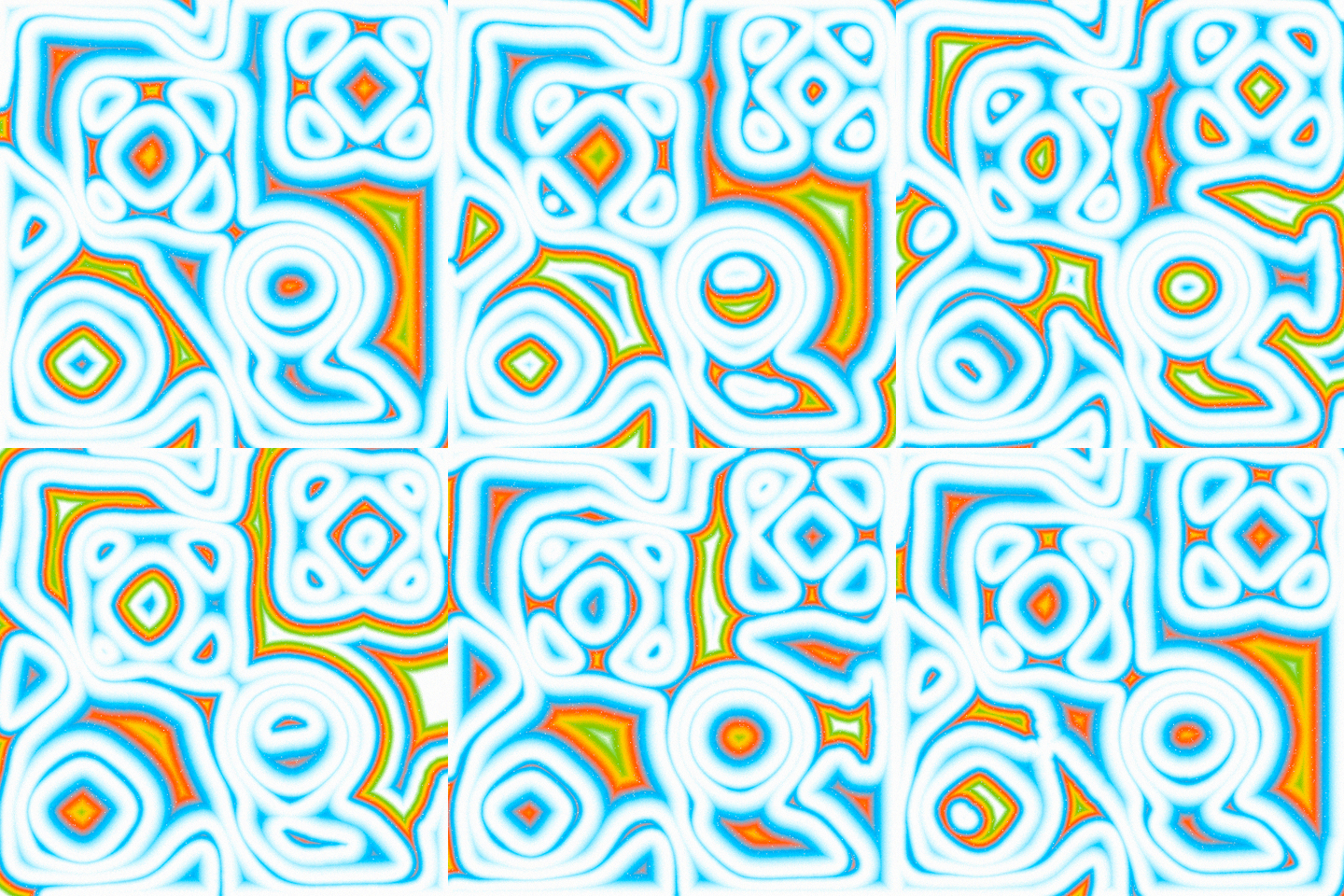
Lesson G3-6: The Role of AI Listen to the reading
Therefore, the most valuable role of AI in the future evolution of geometric abstract art is not to be a replacement for the artist, but to be an amplifier and co-constructor. This judgment is very important because it determines how we understand the relationship between AI and art. If AI is only regarded as an “automatic drawing tool”, its significance will soon be consumed by efficiency, quantity and superficial freshness; however, if we put it in a deeper creative structure, we will find that what it really changes is not whether the artist needs to exist or not, but rather, how the artist sees, thinks, and experiments, how to construct, and how to advance geometric abstract art to new levels of approach. First of all, AI is an amplifier. It amplifies not the empty speed of production, but the artist's ability to observe and experiment. Geometric abstract art seems to be composed of simple elements, but what really determines the quality of a work is often a very subtle structural judgment: how much a line should be shifted in order to form tension, how much a block's proportion should be changed in order to break the balance without getting out of control, and how a group of colors should be distributed in order to be unified and breathable at the same time. In traditional creation, these judgments often need to be accumulated through a large number of sketches, repeated modifications and long-term training, while AI can launch a large number of compositional experiments in a very short period of time, allowing artists to see a variety of possibilities at the same time. As a result, the artist is no longer limited to a single path to advance, but can be compared, filtered, revised and judged in a wider space of possibilities. what AI amplifies is precisely this sensitivity and discernment that originally belonged to human beings. Secondly, AI is an analyzer. The core of geometric abstract art is not the narrative content, but the structural relationship itself. Line density, shape proportion, negative space, balance center of gravity, visual rhythm, color advancement, these issues used to rely more on experience to perceive, while AI is able to visualize, compare, and discuss these otherwise implicit relationships. It can help artists see what is really happening inside the work: where it is too heavy, where it is too empty, where the repetition is too mechanical, where the color distribution loses its level. In this way, creation is no longer just a sensual experiment, but also a process of knowledge that can be reflected upon and accumulated. For geometric abstract art, this analytical ability is especially valuable, because it does not weaken the artistry, but rather establishes a more conscious sense of order, rhythm and presence in the work. Again, AI is a co-constructor. The important direction for the future of geometric abstract art is not just to complete a diagram, but to build a visual system that can be continuously derived. The artist sets the grid logic, modular relationship, color scale, evolutionary boundaries and generative rules, while the AI continuously unfolds new structural states within this framework. As a result, the work is no longer just a one-time result, but more like a family system that can expand, differentiate and grow. Here, the role of the artist has also been upgraded: he is no longer just a direct depictor, but a rule maker, system designer, and result sorter. ai does not replace creativity, but pushes creativity to a higher level, because the artist is no longer just thinking about “what to draw”, but rather, “what mechanism can continuously generate valuable works”. What kind of mechanism can continue to generate valuable results“. But because of this, the truly powerful geometric abstract art of the future will not take ”generated by AI“ as the meaning of the work itself. Simply relying on AI to automatically generate a large number of images does not naturally lead to truly significant art. What really matters is whether the artist is able to use AI to push the geometric language to a more complex, sober and contemporary level. The so-called complexity is not a more fancy picture, but a richer relationship and deeper structure; the so-called sobriety is not a colder form, but a clearer self-consciousness of the proportion, order, rhythm, and generative mechanism; the so-called sense of the times is not to catch up with technological trends, but to re-comprehend why geometrical abstraction is still powerful in today's data environment, systemic consciousness, and cross-media conditions. Therefore, the most valuable part of AI does not lie in completing the creation for people, but in helping artists to expand their observation, deepen their understanding, expand their experiments, and co-construct a new visual system. If geometric abstract art really matures in the future, it will not be because machines will generate images, but because artists will be able to use machines to organize limited lines, shapes, colors, and surfaces into a more profound structural language. What is really worth looking forward to is not the label ”AI art" itself, but how geometric abstraction will become more methodical and layered after the intervention of AI, as well as having more spiritual intensity belonging to this era.
 简体中文
简体中文  English
  日本語
日本語  Español
  Français
  हिन्दी
  العربية
  বাংলা
বাংলা  Português do Brasil
  Русский
  اردو
اردو  Bahasa Indonesia
  Deutsch
  Kiswahili
  मराठी
मराठी  తెలుగు
  Tiếng Việt
  Türkçe
  Italiano
  தமிழ்
தமிழ்  한국어
한국어