The role of AI in the future evolution of geometric abstract art
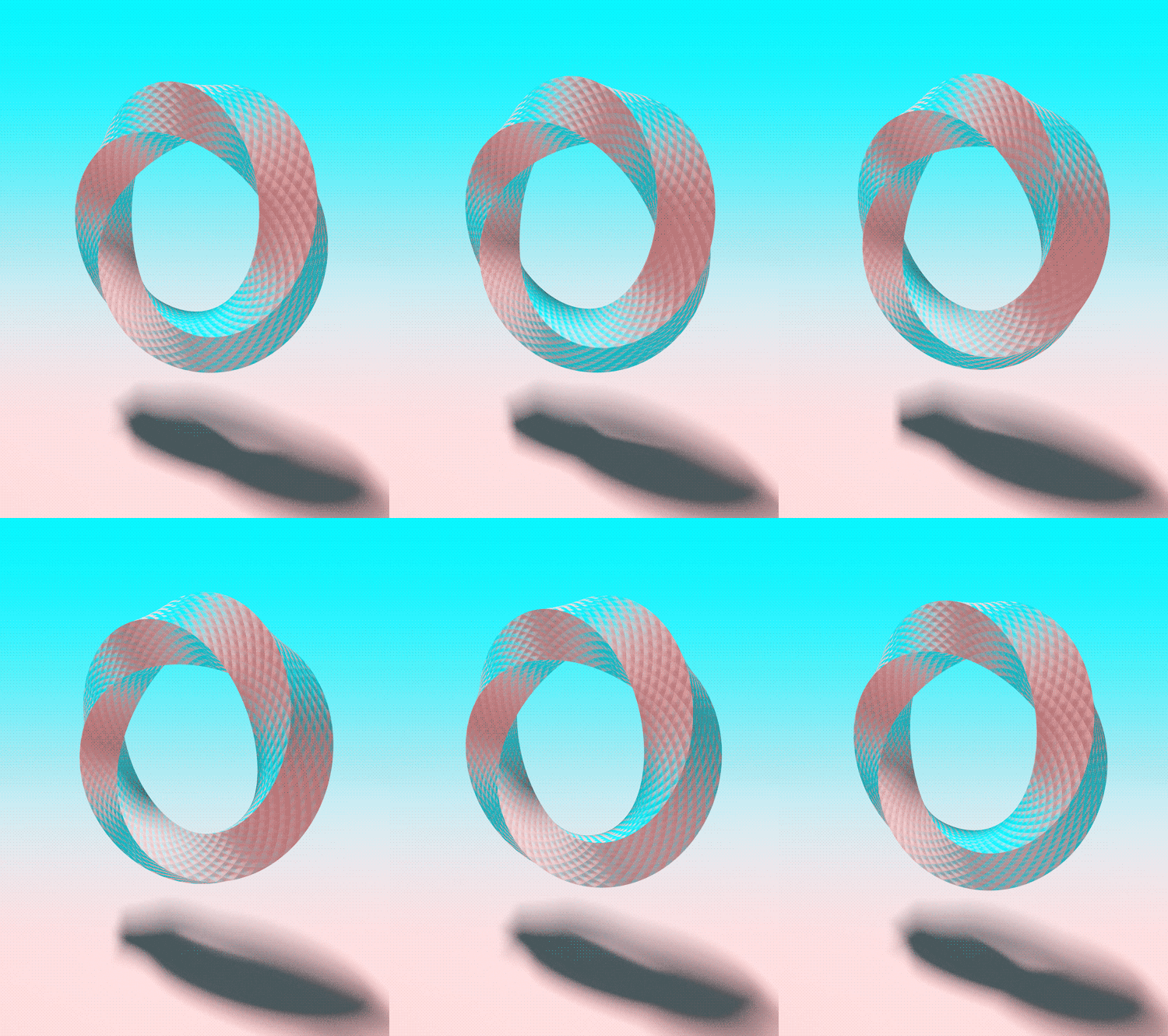
In this evolutionary process, AI's role is not to simply replace artists, but to participate in creation as a new structural partner, analytical tool, and generative engine. Firstly, AI is a powerful “form generator.” It can quickly generate a large number of geometric compositions, color schemes, and structural variations based on set rules, helping artists overcome the speed limitations of manual deduction and see multiple possibilities that would be difficult to imagine simultaneously. In traditional creation, a compositional scheme often requires repeated sketching, modification, and comparison, whereas AI can provide hundreds or thousands of structural results in a very short period. This makes it easier for artists to enter a creative state of “comparison—selection—optimization.”
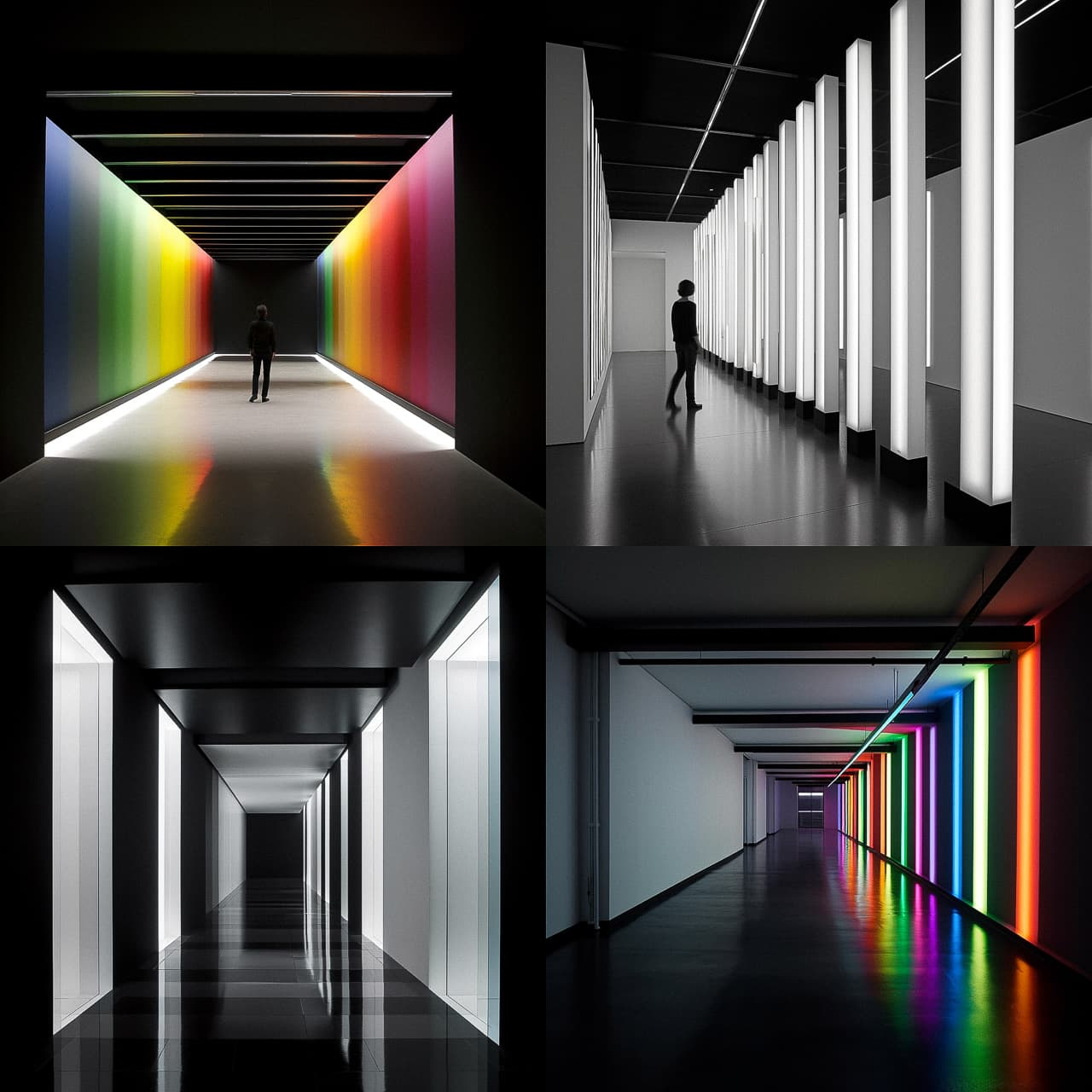
Secondly, AI is a “structure analyzer.” It can not only generate images but also deconstruct works, analyzing line density, shape proportions, negative space relationships, balance and center of gravity, visual movement direction, and color distribution logic. This capability is particularly important for geometric abstract art, as the core of geometric abstraction is not narrative content but structural relationships. AI can help artists transform the visual order they perceive through experience into analytical results that can be described, compared, and learned. This allows creation to be not just an emotional experiment but also a reflective and cumulative knowledge process.
Again, AI is a “collaborative decision-maker,” but not the ultimate aesthetic subject. It can offer solutions, point out relationships, and simulate outcomes, but it cannot replace artists in making true value judgments. This is because artistic creation is not just about structural rationality; it also involves making choices about direction, spiritual stance, aesthetic orientation, and cultural expression. AI excels at processing relationships, but artists still need to decide which relationships are worth preserving, which orders have power, and which changes are merely formal noise. What will truly matter in the future is not whether AI can generate geometric abstractions, but who can use AI to establish a structural language with personal judgment.
In addition, AI is an “educational and research tool.” It can help learners quickly understand the compositional principles in classic geometric abstract works, making abstract concepts such as color, proportion, whitespace, balance, and direction of movement more visible and analyzable. In the future, AI may become an important auxiliary system for geometric abstract courses in art education: students upload their works, and the system automatically analyzes their line density, color ratio, and spatial balance, and provides visual feedback. In this way, the learning process will shift from simply viewing examples to a cycle of “viewing—analyzing—generating—correcting.”
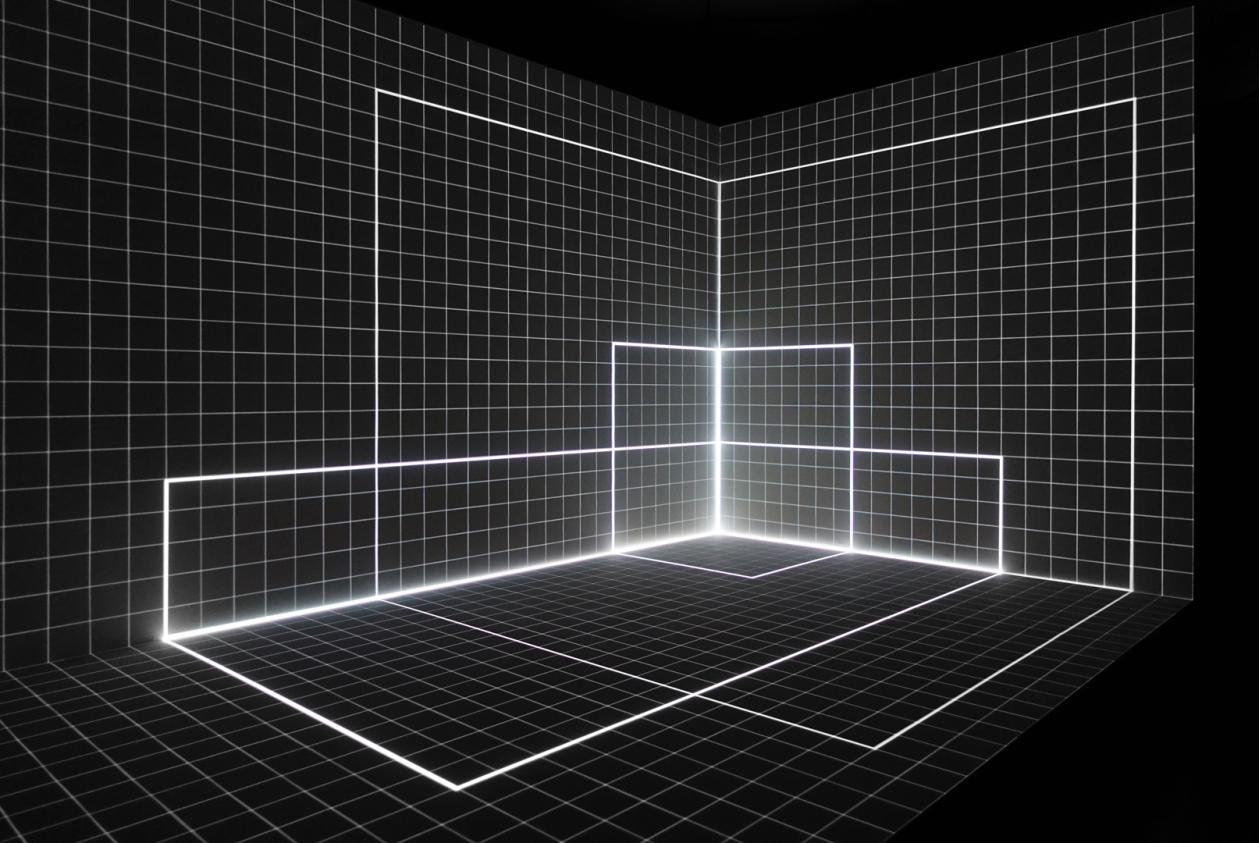
However, we must also acknowledge the limitations of AI. It can easily lead to an overproduction of superficiality, turning geometric abstraction into the automated replication of countless similar images. It may also enhance superficial aesthetics while weakening the genuine spiritual tension within a work. Geometric abstract art is important not just because it uses geometric forms, but because it attempts to establish a sense of profound order, rhythm, and presence within limited elements. If AI is only used to accelerate production without achieving true structural understanding, future works may become increasingly numerous yet increasingly shallow.
Therefore, AI's most valuable role is not as a replacement, but as an amplifier, analyzer, and co-creator. It amplifies the artist's observational abilities, broadens the scope of compositional experiments, deepens the understanding of the relationship between color and structure, and pushes geometric abstraction from single works to systematic creation. The truly powerful geometric abstract art of the future will not be the fact that it is “AI-generated” itself, but how artists use AI to advance geometric language to more complex, clearer, and more contemporary levels.
Lesson G3: The Role of AI Listen to the audio
In this evolutionary process, the role of AI is not simply to replace the artist, but to participate as a new structural partner, analytical tool and generative engine. First of all, AI is a powerful “form generator”. It can quickly generate a large number of geometric compositions, color schemes, and structural variants based on set rules, helping artists break through the speed limitations of manual deduction and see a variety of possibilities that would otherwise be difficult to imagine at the same time. In traditional creation, a composition scheme often requires repeated drafting, modification and comparison, while AI can give hundreds of structural results in a very short period of time, which makes it easier for artists to enter the creative state of “comparison - screening - optimization”. Secondly, AI is a “structure analyzer”. It not only generates images, but also disassembles the work, analyzing line density, shape proportion, negative spatial relationship, balance center of gravity, direction of visual movement and color distribution logic. For geometric abstract art, this ability is especially important, because the core of geometric abstraction is not a narrative content, but a structural relationship, and AI can help the artist to transform the original empirical perception of the order of the picture into an analytical result that can be described, compared, and learned, so that the creation is not just a perceptual experiment, but also a process of reflective and accumulative knowledge. Again, AI is a “collaborative decision maker”, but not the final aesthetic subject. It can provide solutions, point out the relationship, simulate the results, but can not replace the artist to make the real value judgment. AI is good at dealing with relationships, but the artist still has to decide which relationships are worth keeping, which order has power, and which changes are just formal noise. What really matters in the future is not whether AI can generate geometric abstractions, but who can use AI to build a structural language with personal judgment. In addition, AI is an “educational and research tool”. It can help learners quickly understand the laws of composition in classic geometric abstract works, making the original abstract concepts of color, proportion, white space, center of gravity and direction of movement more visible and analyzable. In the future, AI may become an important support system for geometric abstraction courses in art education: students will upload their works, and the system will automatically analyze their line density, color proportion and spatial balance, and provide visual feedback. In this way, the learning process will shift from simply watching examples to a cycle of “watch-analyze-generate-correct”. At the same time, however, it is important to recognize the limitations of AI. It can easily lead to formal overproduction, reducing geometric abstraction to an automatic reproduction of a large number of similar images; it can also strengthen the “good looks” on the surface, but weaken the real spiritual tension within the work. Geometric abstraction is important not only because it uses geometric forms, but also because it tries to establish a deep sense of order, rhythm and existence in limited elements. If AI is only used to speed up production without entering into a true structural understanding, then future works may become more and more numerous but lighter and lighter. AI's most valuable role, therefore, is not to be a replacement, but to be an amplifier, analyzer and co-constructor. It amplifies the artist's observation ability, expands the scope of compositional experimentation, deepens the understanding of the relationship between color and structure, and pushes geometric abstract art from single works to systematic creation. The truly powerful geometric abstract art in the future will not be the matter of “generated by AI” itself, but how the artist can use AI to push the geometric language to a more complex, sober and contemporary level.
 简体中文
简体中文  English
  日本語
日本語  Español
  Français
  हिन्दी
  العربية
  বাংলা
বাংলা  Português do Brasil
  Русский
  اردو
اردو  Bahasa Indonesia
  Deutsch
  Kiswahili
  मराठी
मराठी  తెలుగు
  Tiếng Việt
  Türkçe
  Italiano
  தமிழ்
தமிழ்  한국어
한국어