
10. Color is not the main element, but rather a variable within the structure.
Piet Mondrian
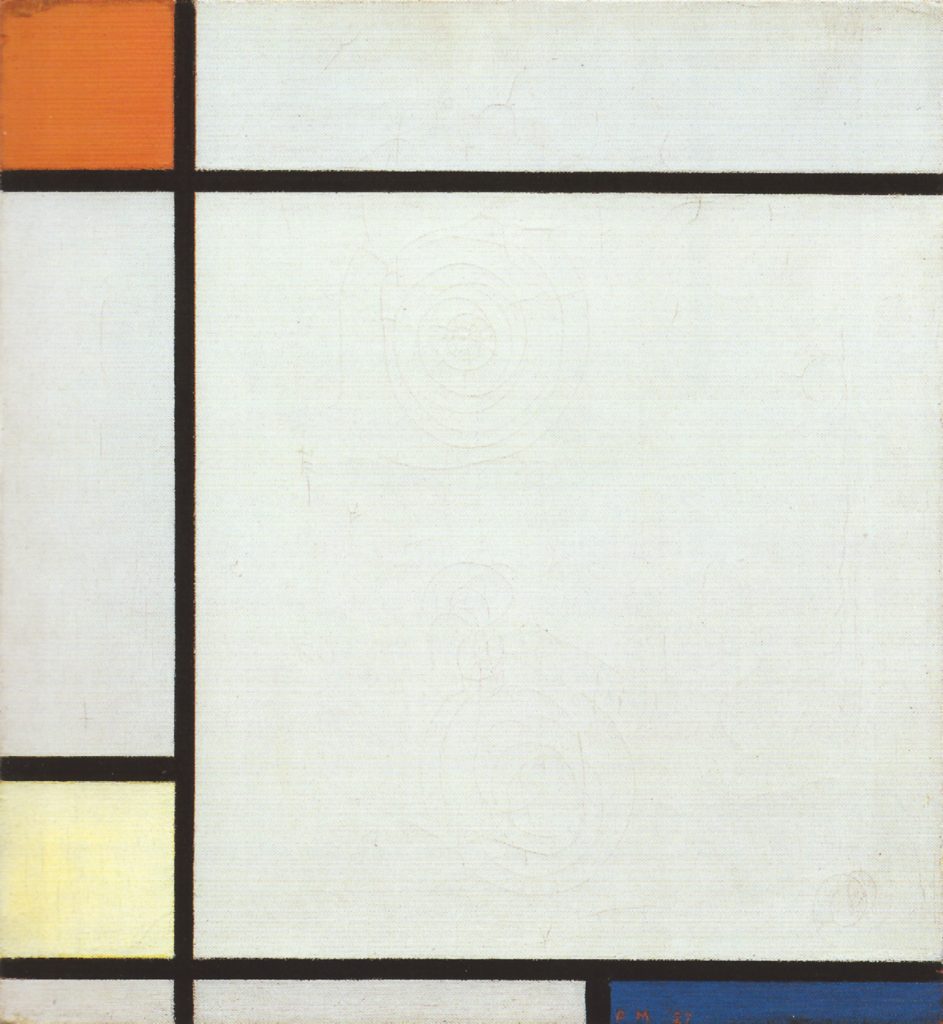
In the development of 20th-century abstract art, Piet Mondrian's understanding of color holds significant theoretical importance. He did not regard color as the central element of painting, but rather as a factor participating in the structural operation. In his artistic system, the true subject is not color, but the overall structural relationships of the picture. Color is merely a variable within the structural system; its existence and changes must conform to the overall order.
Traditional painting often uses color as a crucial expressive tool. Artists use rich color variations to depict nature, shape space, or express emotions. In this concept, color possesses a high degree of independence and can even become the visual focal point of the painting. However, Mondrian's artistic ideas changed this understanding. He believed that art should shift from the representation of nature to structural order, and from individual emotions to universal laws. Therefore, the most important element in a work is not a particular color, but rather the relationship of colors within the overall structure.
Mondrian's paintings are typically structured using vertical and horizontal black lines. These lines form a stable grid system, dividing the canvas into rectangular areas. The stability of the structure comes from the proportional relationships and spatial distribution between the lines, rather than from the colors themselves. Color is simply placed within these structural units, adjusting visual balance through different combinations.
Piet Mondrian
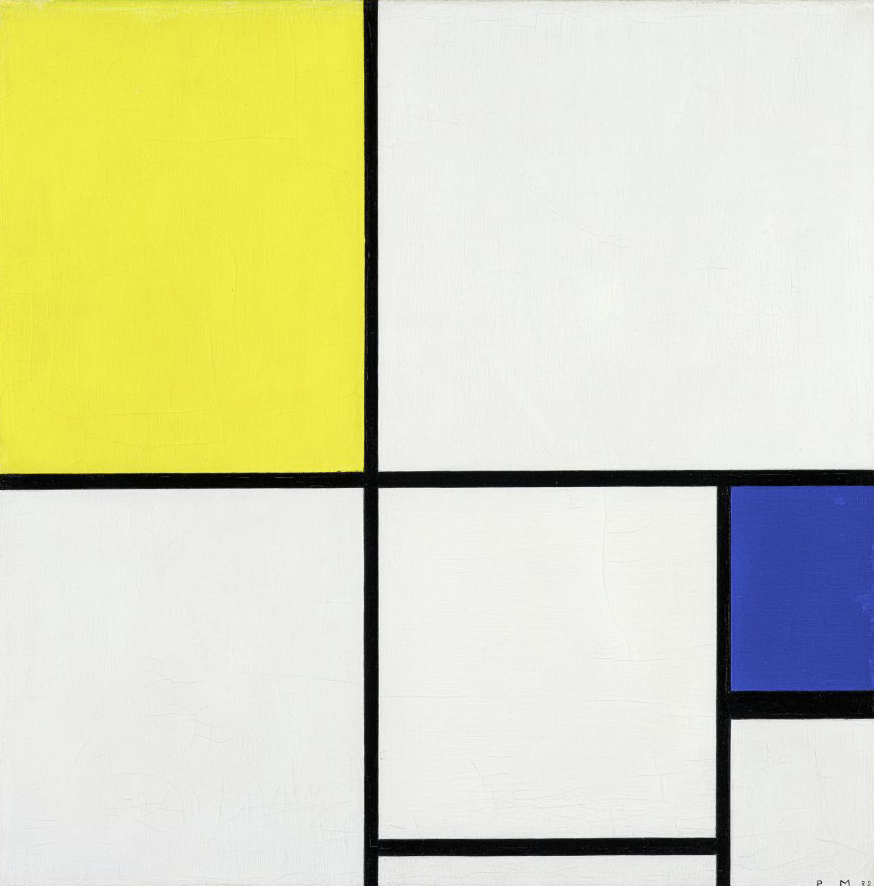
In this structural system, color is no longer the dominant factor, but rather an adjustable variable. For example, using red in a certain area might enhance the visual power of the image, thus requiring the use of colors or white space in other areas to balance this power. Too much red might make the image unstable; too little might result in a lack of visual tension. Therefore, the choice and placement of colors must be adjusted according to the overall structure.
Mondrian typically uses the three primary colors—red, yellow, and blue—as well as neutral colors such as white, black, and gray. This limited color system is not intended to emphasize the colors themselves, but rather to avoid excessive variation that could disrupt the structural order. When the number of colors is limited, the viewer's attention is focused more on the structural relationships. Color here acts more as a tool for adjustment than as a means of expression.
In specific works, variations in the area and position of color often demonstrate this "variable" nature. For example, a red rectangle might create visual weight on one side of the image, while the other side is balanced by blue or yellow areas. White space acts as a buffer and transition in the structure, maintaining the stability of the overall visual relationship. In this way, color participates in the dynamic balance of the structure, but never deviates from the overall order.
This idea is closely related to Mondrian's Neo-Plasticism theory. Neo-Plasticism attempts to establish a universal visual language, constructing artistic structures through the most basic elements. In this system, vertical and horizontal lines represent basic order, while primary colors become the purest forms of color. Through the combination of these limited elements, diverse yet stable visual relationships can be formed. The significance of color here is not to express emotions, but to participate in the structural operation.
Piet Mondrian
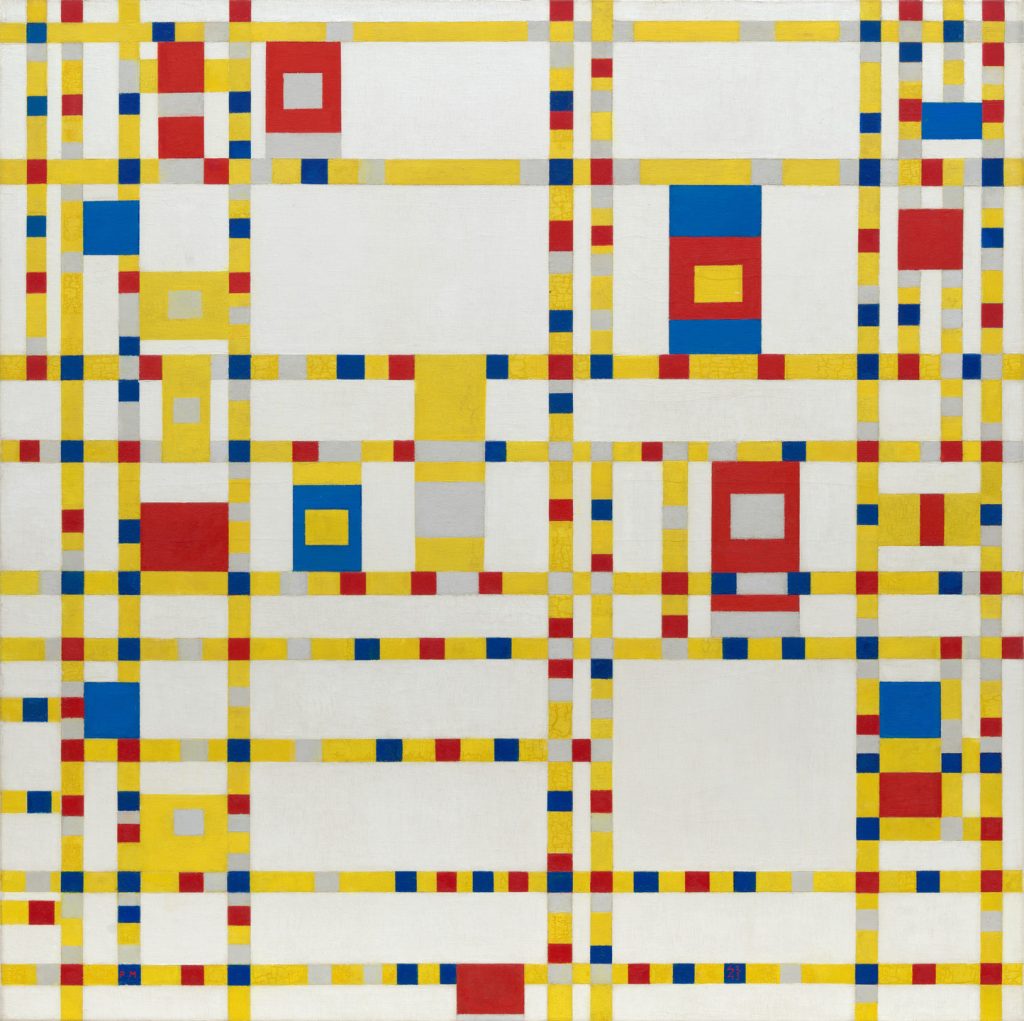
From a visual perception perspective, changes in color variables affect the viewer's judgment of the composition's balance. Brighter colors tend to have stronger visual appeal, thus requiring careful arrangement within the composition. Mondrian constantly adjusts these relationships in his work, creating a stable visual order among the different colors. This process is similar to architectural design or musical composition, achieving overall harmony through proportion and rhythm.
This understanding shifted painting from traditional representation to structural study. The artist's task was no longer to depict objects, but to establish a visual order. In this order, every element must maintain a relationship with the whole. Color is important not because it has meaning in itself, but because it participates in structural balance.
From a broader perspective, Mondrian's theory embodies a modernist idea that art can establish a universal language through finite elements. When structure becomes the primary element, color becomes an adjustable variable. By changing the position, area, or proportion of colors, artists can create different visual effects while maintaining structural stability.
This idea has had a profound influence on modern design, architecture, and visual arts. Many modern design works emphasize clear structure and restrained color, establishing a stable order through a limited palette. This approach is an important extension of Mondrian theory.
Therefore, in Piet Mondrian's color theory, color is not the subject of painting, but rather a variable within the structure. It participates in the construction of overall order through its relationship with lines, proportions, and space. It is within this structural relationship that color acquires meaning, and painting thus becomes a visual system concerning order and balance.

Lesson C-10: Color is not the main subject, but a variable in the structure. Click to view and listen to the reading.
In the development of 20th-century abstract art, Piet Mondrian's understanding of color holds significant theoretical importance. He did not consider color as the central element of painting, but rather as a factor participating in the structural operation. In his artistic system, the true subject is not color, but the overall structural relationship of the picture. Color is merely a variable within the structural system; its existence and changes must conform to the overall order. Traditional painting often uses color as a crucial means of expression. Artists use rich color variations to depict nature, shape space, or express emotions. In this concept, color possesses a high degree of independence, even becoming the visual focal point of the painting. However, Mondrian's artistic thought changed this understanding. He believed that art should shift from the representation of nature to structural order, from individual emotions to universal laws. Therefore, the most important element in a work is not a particular color, but its relationship to the overall structure. Mondrian's paintings are typically structured by vertical and horizontal black lines. These lines form a stable grid system, dividing the picture into several rectangular areas. The stability of the structure comes from the proportional relationships and spatial distribution between the lines, not from the color itself. Color is simply placed within these structural units, adjusting visual balance through different combinations. In this structural system, color is no longer the dominant factor, but rather an adjustable variable. For example, using red in a certain area might enhance the visual power of the image, thus requiring the use of color or white space in other areas to balance this power. Too much red might destabilize the image; too little might lack visual tension. Therefore, the choice and placement of colors must be adjusted according to the overall structure. Mondrian typically uses the three primary colors—red, yellow, and blue—as well as neutral colors such as white, black, and gray. This limited color system is not intended to emphasize the colors themselves, but rather to avoid excessive variation that could disrupt the structural order. When the number of colors is limited, the viewer's attention is focused more on the structural relationships. Color here acts more as a regulatory tool than a subject of expression. In specific works, changes in the area and position of color often reflect this "variable" nature. For example, a red rectangle might create visual weight on one side of the image, while the other side is balanced by blue or yellow areas. White space acts as a buffer and transition in the structure, maintaining the stability of the overall visual relationship. In this way, color participates in the dynamic balance of the structure, but never deviates from the overall order. This idea is closely related to Mondrian's Neo-Plasticism theory. Neo-Plasticism sought to establish a universal visual language, constructing artistic structures through the most basic elements. In this system, vertical and horizontal lines represent fundamental order, while primary colors become the purest forms of color. Through the combination of these finite elements, diverse yet stable visual relationships can be formed. The significance of color here is not to express emotion, but to participate in the structural operation. From the perspective of visual perception, changes in color variables affect the viewer's judgment of the balance of the picture. Brighter colors often have stronger visual appeal, and therefore must be carefully arranged in the structure. Mondrian constantly adjusted these relationships in his creations, creating a stable visual order among different colors. This process is similar to architectural design or musical composition, achieving overall harmony through proportion and rhythm. This understanding shifted painting from traditional representation to structural study. The artist's task was no longer to depict objects, but to establish a visual order. In this order, every element must maintain a relationship with the whole. Color is important not because it has meaning in itself, but because it can participate in structural balance. From a broader perspective, Mondrian's theory embodies a modernist idea that art can establish a universal language through finite elements. When structure becomes the subject, color becomes an adjustable variable. By altering the position, area, or proportion of colors, artists can create diverse visual effects while maintaining structural stability. This idea has profoundly influenced modern design, architecture, and visual arts. Many modern design works emphasize structural clarity and color restraint, establishing a stable order through a limited palette. This approach is a significant extension of Mondrian's theory. Therefore, in Piet Mondrian's color theory, color is not the subject of painting but rather a variable within the structure. It participates in constructing overall order through its relationship with lines, proportions, and space. It is within this structural relationship that color acquires meaning, and painting thus becomes a visual system concerning order and balance.
 简体中文
简体中文  English
  日本語
日本語  Español
  Français
  हिन्दी
  العربية
  বাংলা
বাংলা  Português do Brasil
  Русский
  اردو
اردو  Bahasa Indonesia
  Deutsch
  Kiswahili
  मराठी
मराठी  తెలుగు
  Tiếng Việt
  Türkçe
  Italiano
  தமிழ்
தமிழ்  한국어
한국어