Core Purpose
The core objective of geometric abstraction techniques and methods is not merely to expand the quantity of creative tools, but to fundamentally reshape the way art transitions from “manual expression” to “systematic generation.” Within this framework, technology ceases to be an auxiliary means and becomes an integral structural component of aesthetics. Whether it be traditional painting, printmaking, and compositional techniques, or digital painting, generative algorithms, 3D modeling, AR, and projection mapping, these media collectively serve one goal: to elevate geometric forms from static graphics to an evolvable, interactive, and parameterizable visual language system.
A. Traditional Painting and Geometric Abstract Art
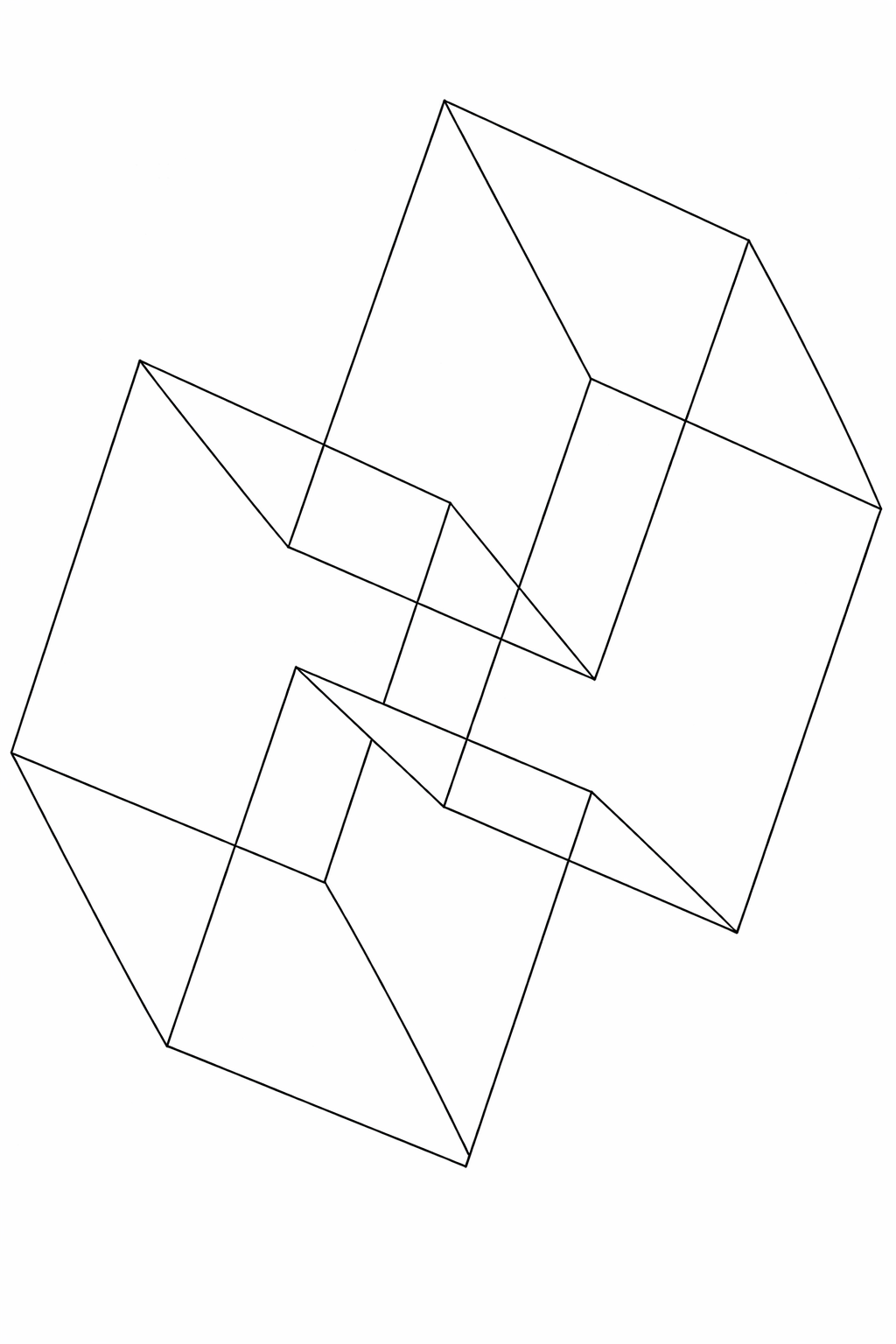
In geometric abstract art, sketching plays a foundational role in structural modeling and rhythmic planning. Through linear relationships and proportional deductions, it lays a rational framework for subsequent color and form composition.
Painting in geometric abstract art is used to translate structural rationality and emotional tension, giving abstract forms perceptible vitality through color layers, textural changes, and compositional rhythm.
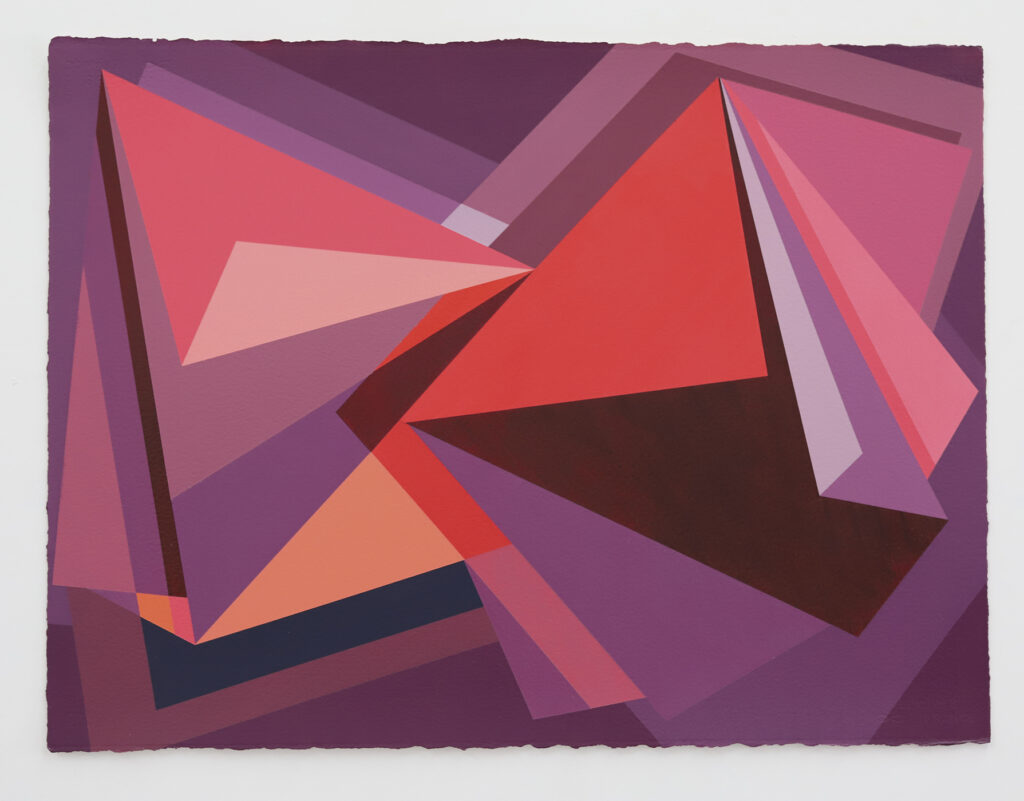
In the fusion of traditional painting and geometric art, color is an important technical means. Through contrast, proportion, and repetition, it establishes visual order, allowing geometric forms to create a clear and stable structure within the picture.
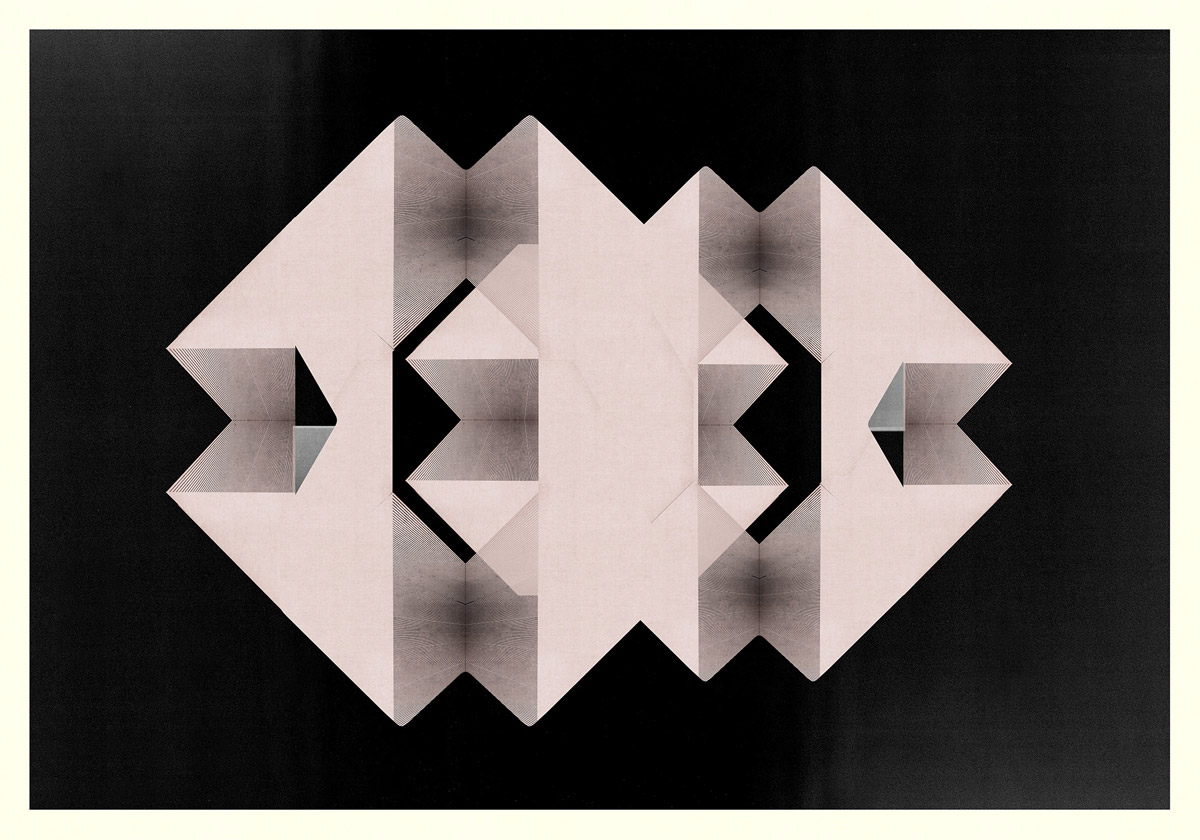
In geometric abstract art, printmaking, through repetition, layering, and texture transfer, transforms rational structures into visual rhythms with a handmade warmth, enhancing the rhythmic sense of geometric forms and the expressiveness of materials.
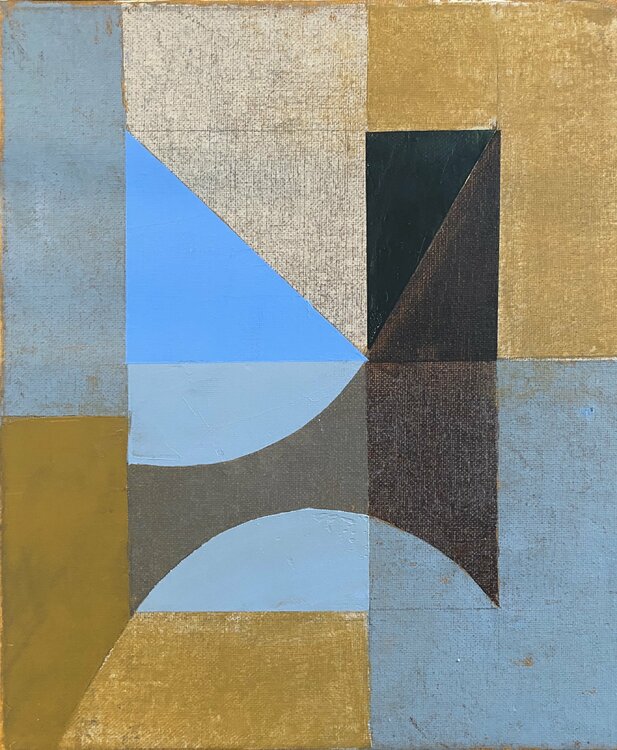
The application of brushstrokes and textures adds depth and visual interest to geometric abstract artworks. Artists experiment with various brush techniques, such as pointillism, cross-hatching, or impasto, to create different textures and surface qualities in their compositions.
D2. Basic Techniques and Methods in Geometric Abstract Art
B. Contemporary and Digital Technologies
Digital painting integrates hand-drawn intuition with digital precision in geometric abstract art, achieving a flexible layering of rational structure and emotional expression through layers, brushes, and transformation tools.
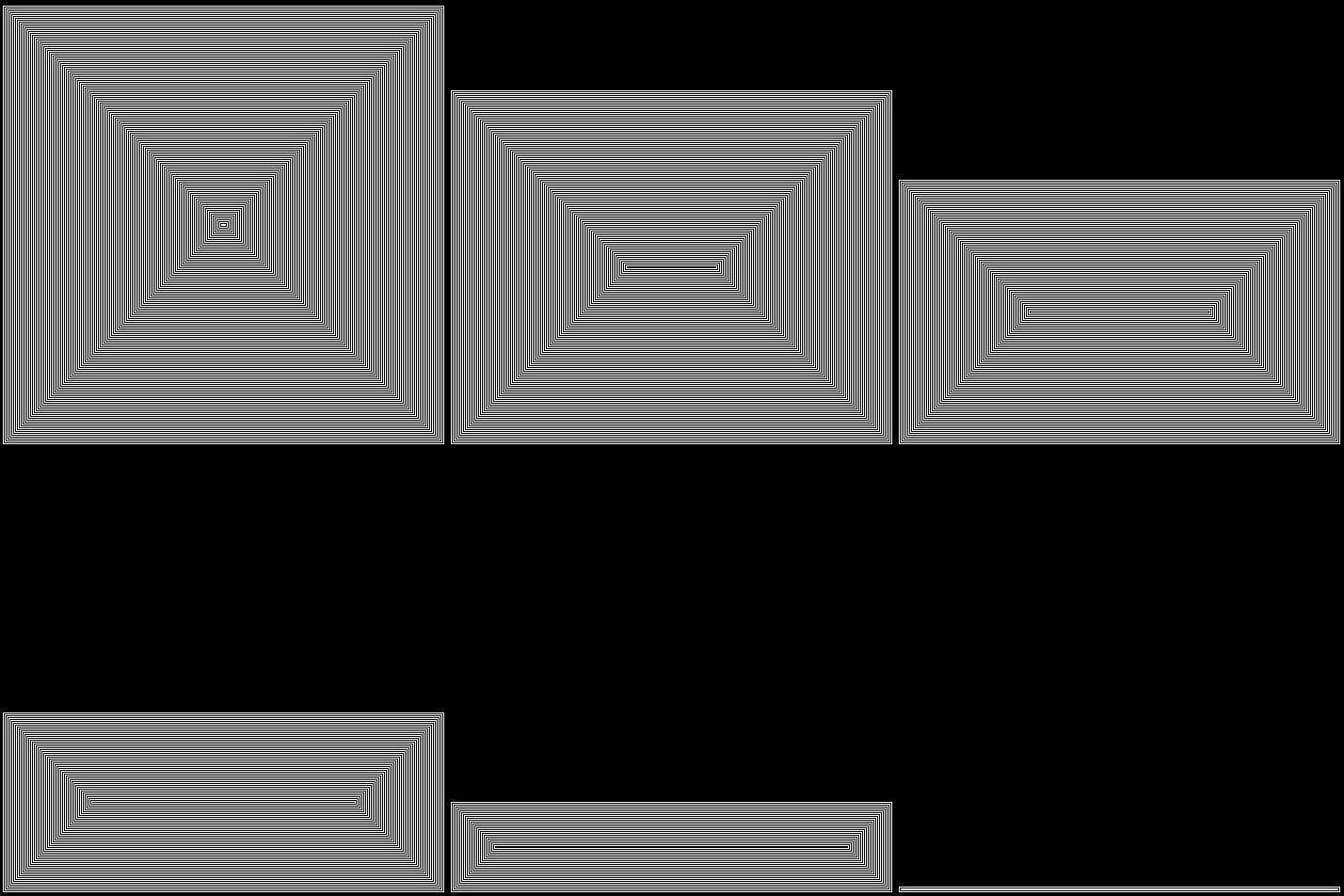
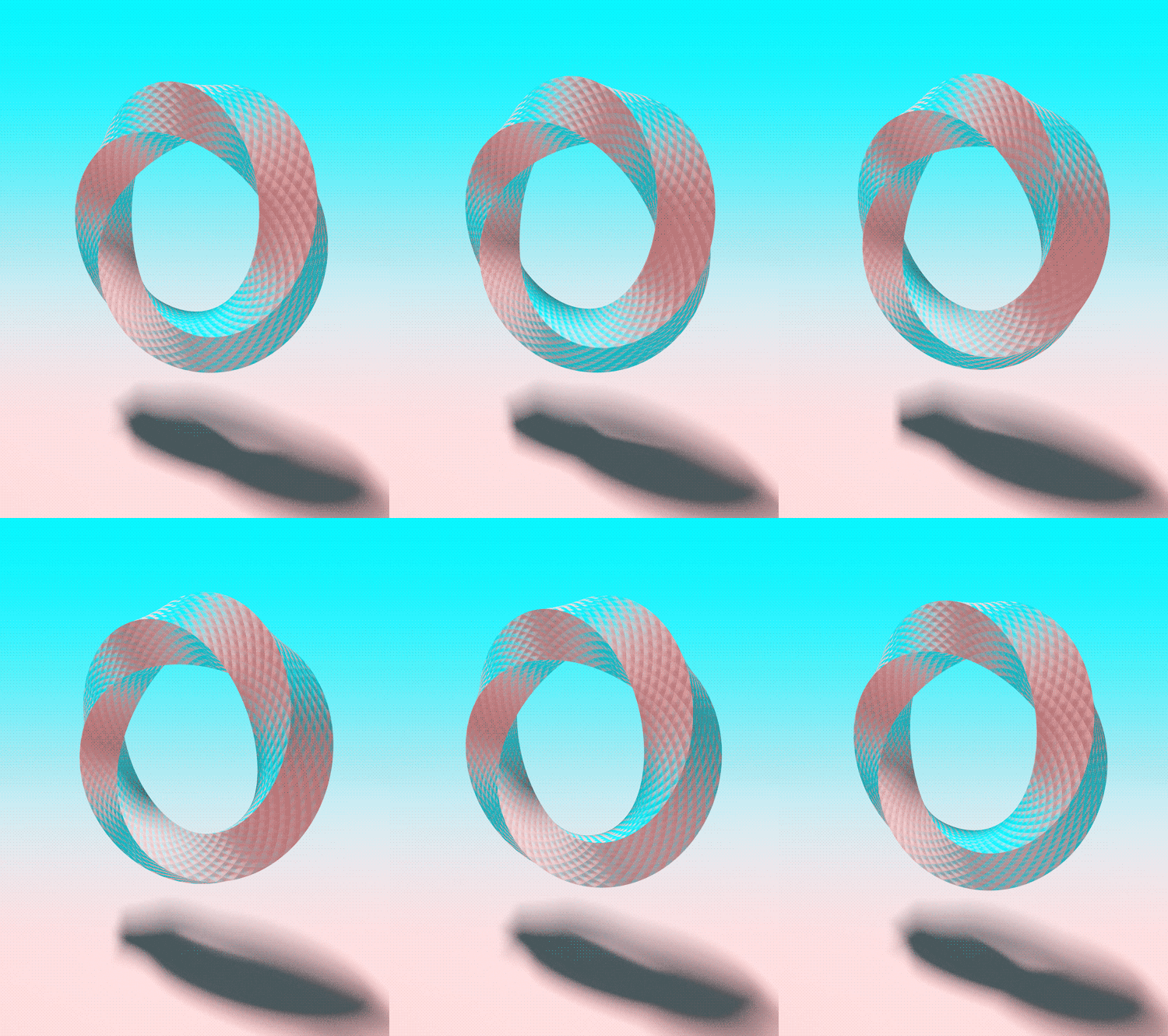
Generative art, in geometric abstract art, utilizes algorithmic rules and random mechanisms to allow forms to automatically grow and evolve, transforming geometric composition from a static design into a continuously generating dynamic system.
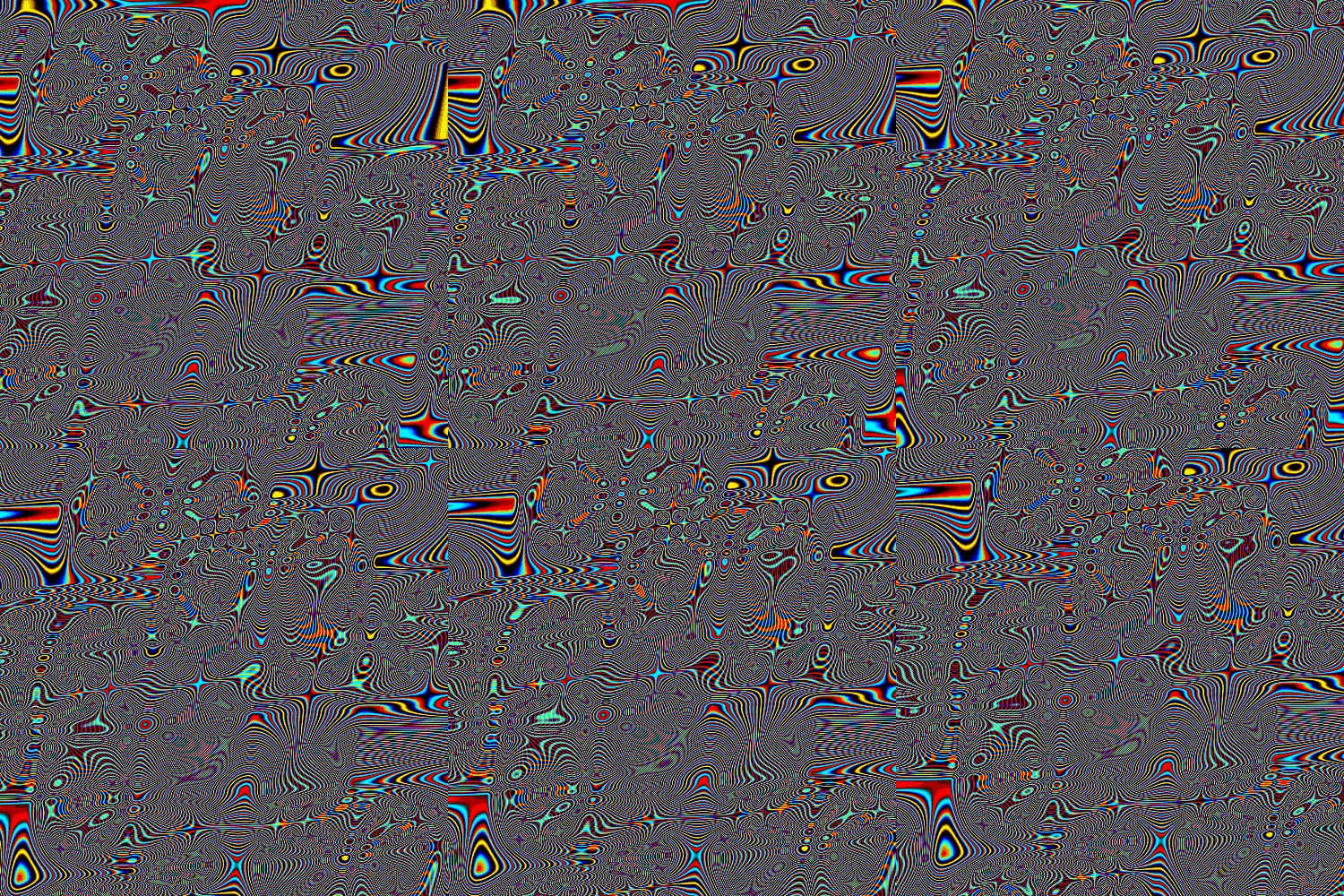
Projection mapping extends planar compositions into real space in geometric abstract art, synchronizing transformations of light and shadow with form to give geometric structures an immersive and temporally flowing quality.
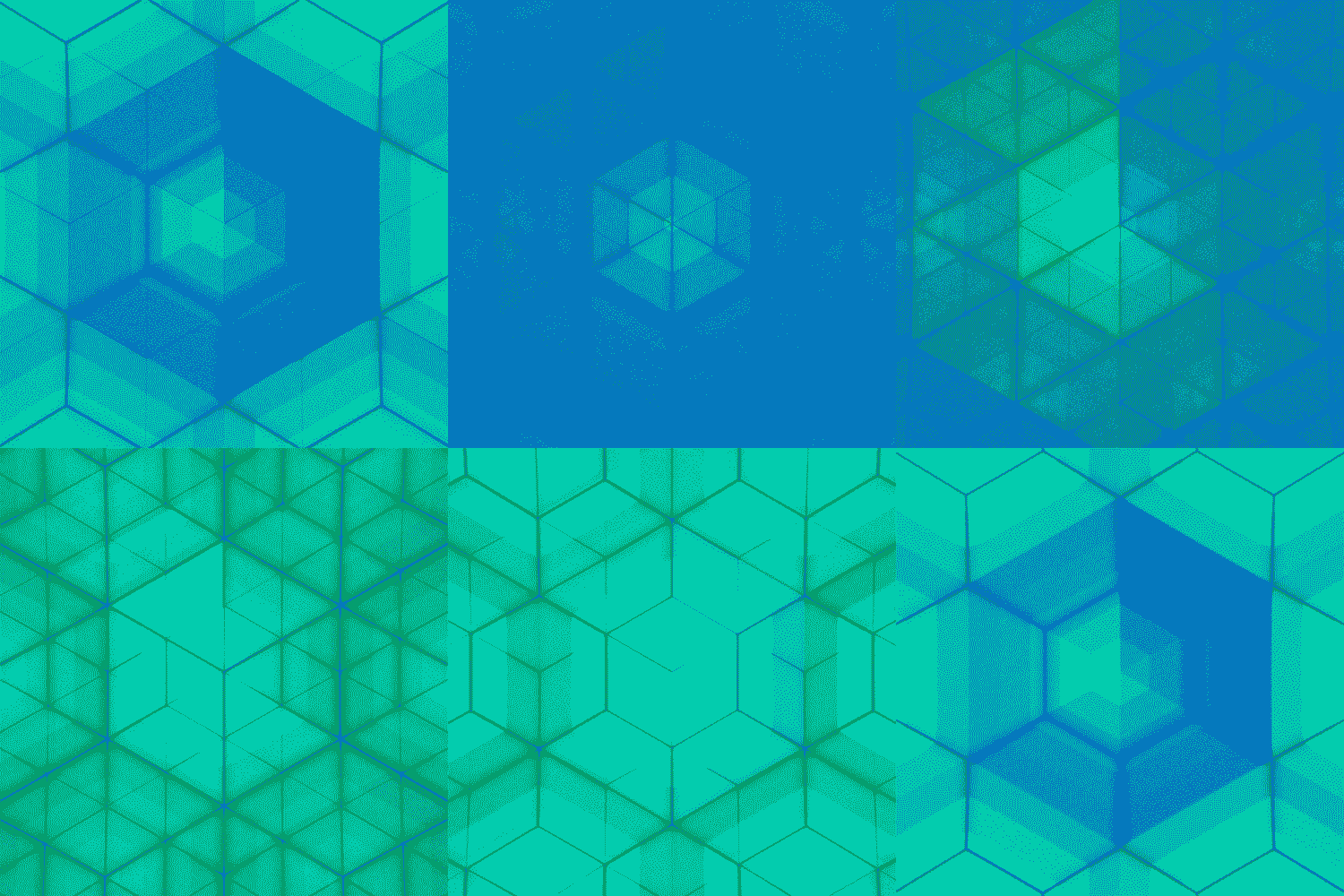
3D modeling transforms flat structures into three-dimensional forms in geometric abstract art, imbuing geometric compositions with true depth and explorable structural dimensions through spatial parameters and light and shadow relationships.
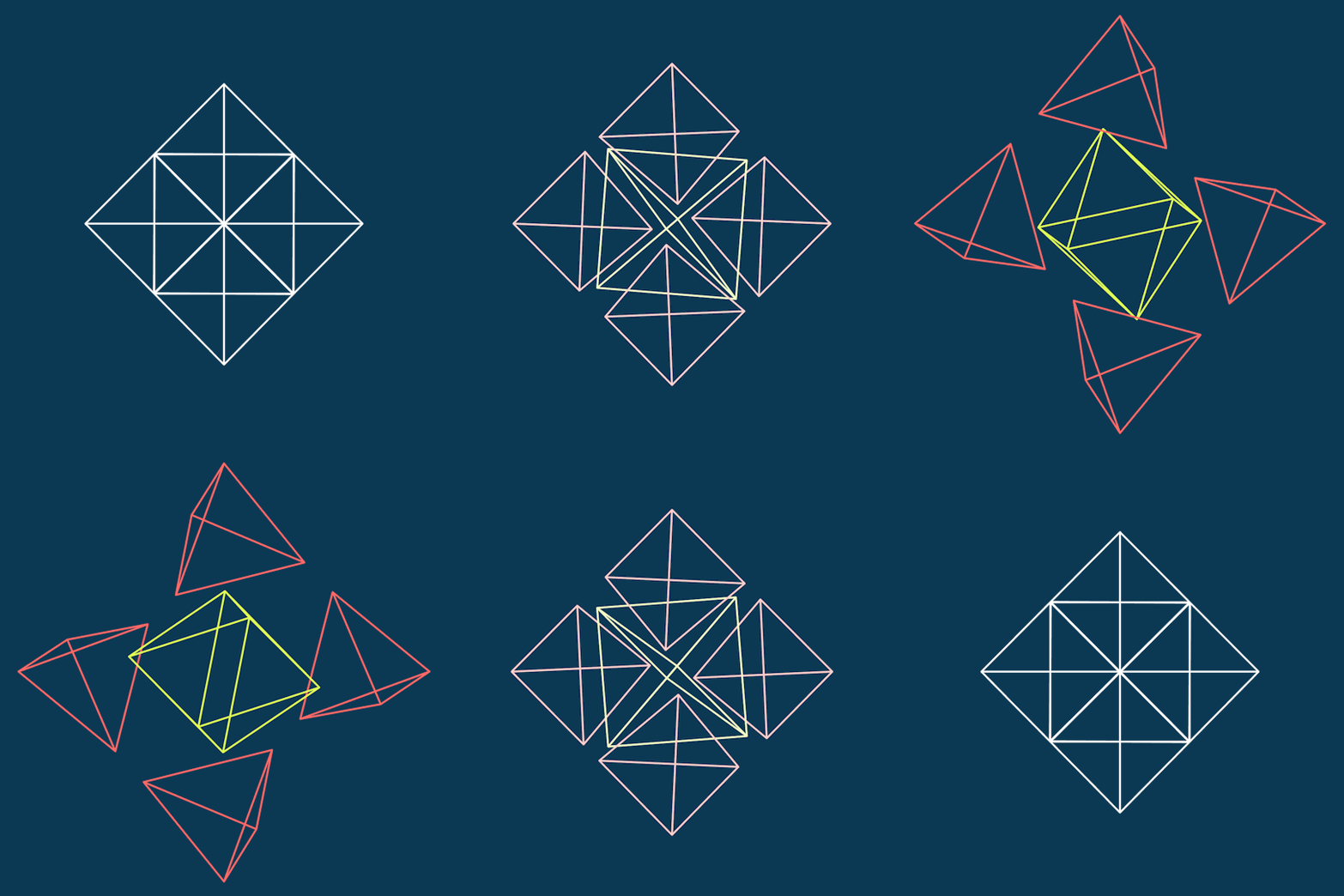
D3-5.AR Technology:In geometric abstract art, virtual geometry is superimposed onto real space, transforming abstract forms into walkable, participatory immersive experiences through real-time interaction and spatial positioning.
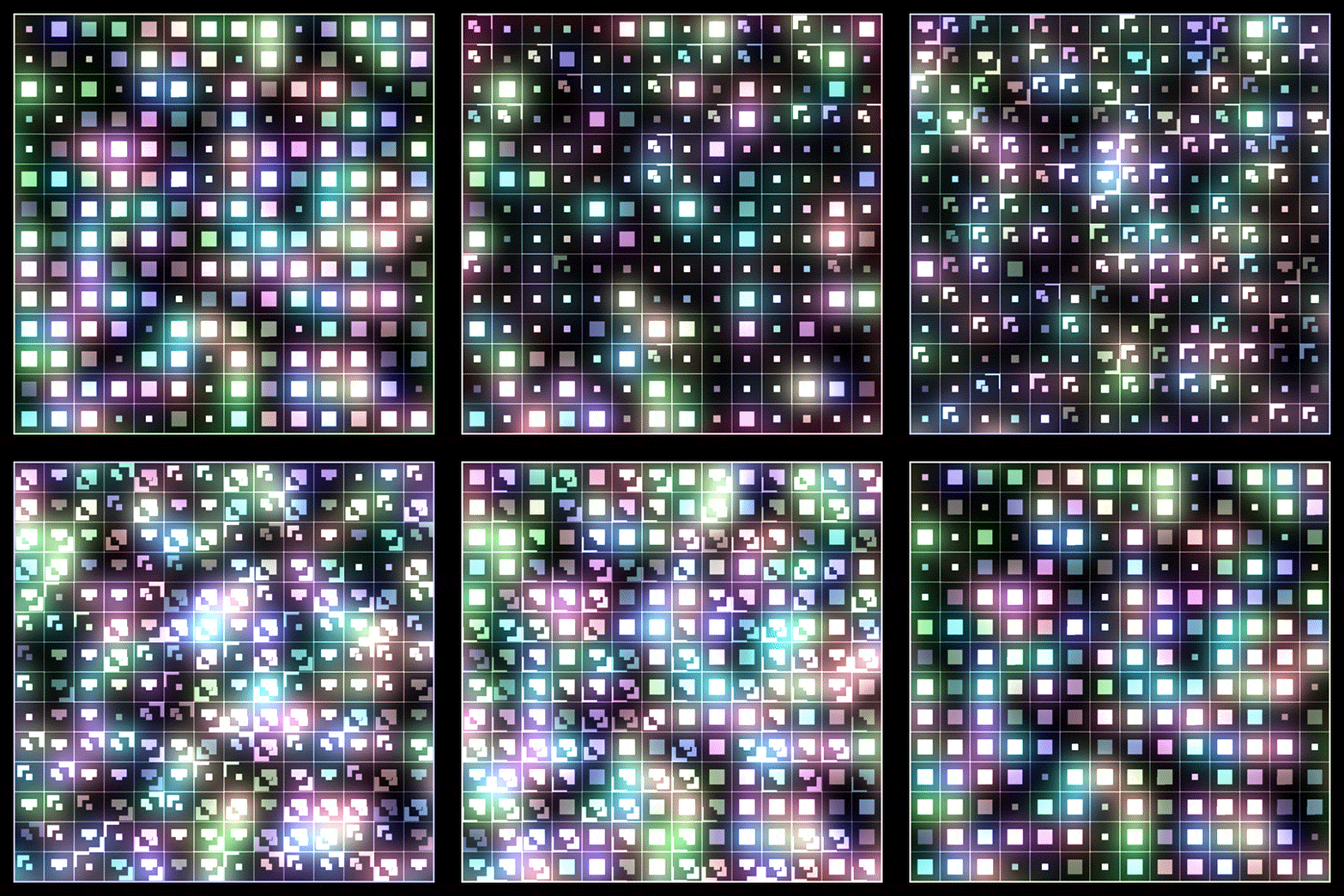
D3. The 4 Most Common Forms of Geometric Abstract Art
The most common forms of geometric abstract art can be broadly categorized into four types, each exploring different dimensions such as visual perception, material structure, formal combination, and digital technology. The first type is Op Art, which uses precise geometric shapes and strong black-and-white or color contrasts to create visual illusions, giving the artwork a sense of vibration, rotation, or spatial movement. The second type is collage art, where different materials or image elements are cut and reassembled, allowing geometric forms to acquire new meaning within new structural relationships. The third type is constructivist art, which emphasizes the arrangement, superposition, and structural order between geometric units, forming an overall composition through repetition and proportional relationships. The fourth type is digital integration, which utilizes computer algorithms and digital media to generate complex geometric systems, enabling geometric abstraction to achieve new modes of expression and structural possibilities under contemporary technological conditions.
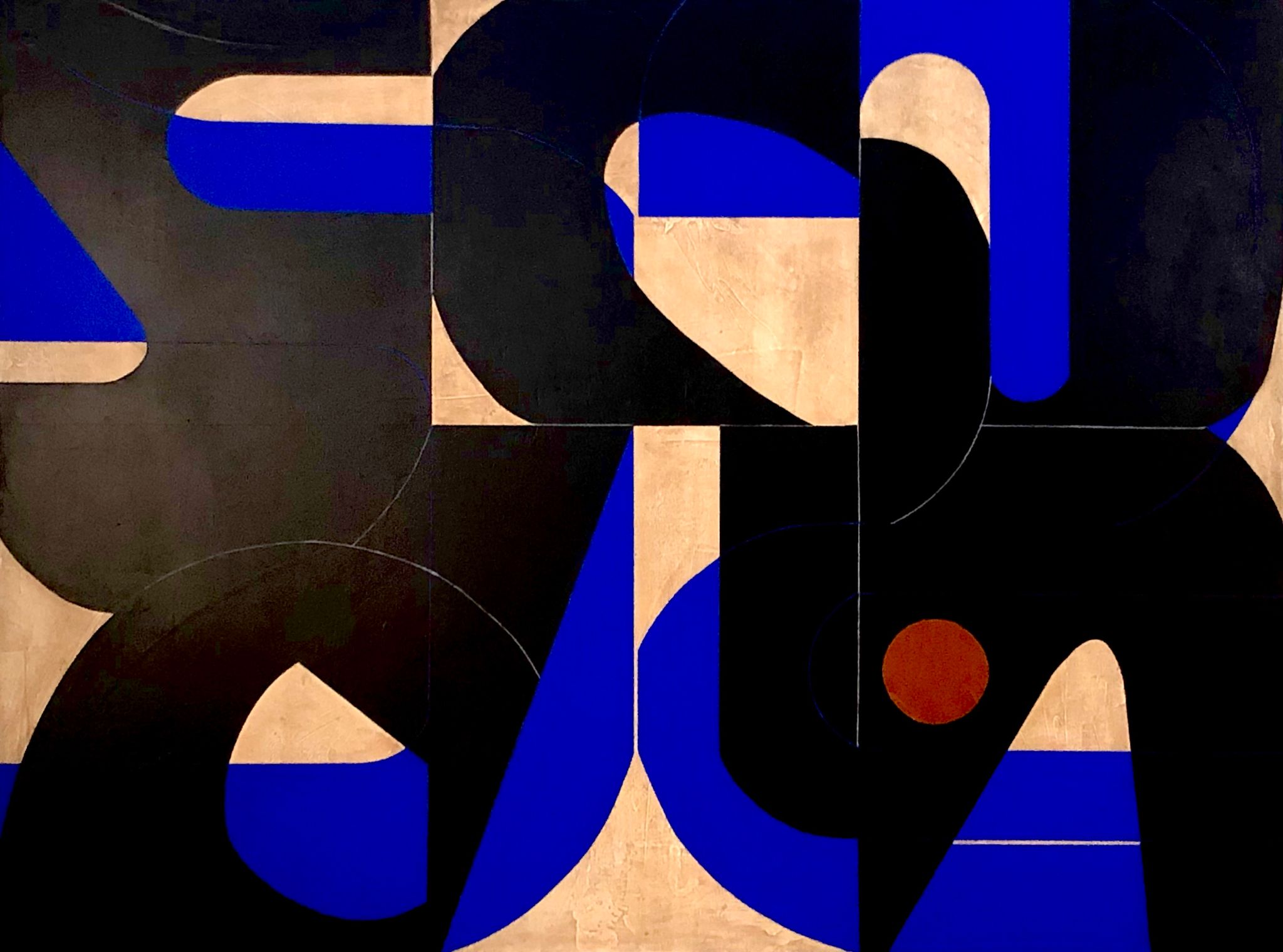
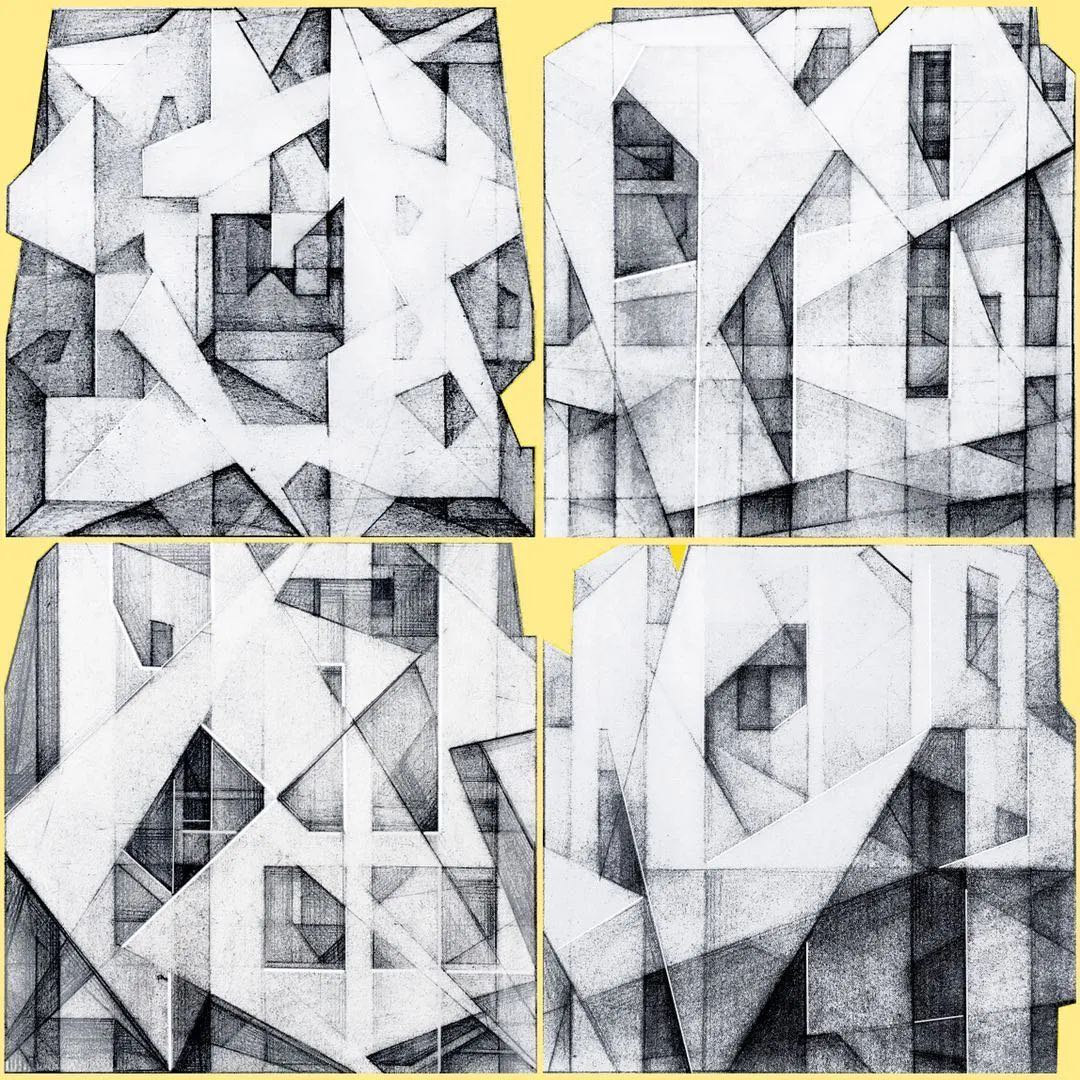
Collage art creates visual order and spatial changes through geometric forms in new structural relationships by cutting, rearranging, and overlaying different material or image elements.
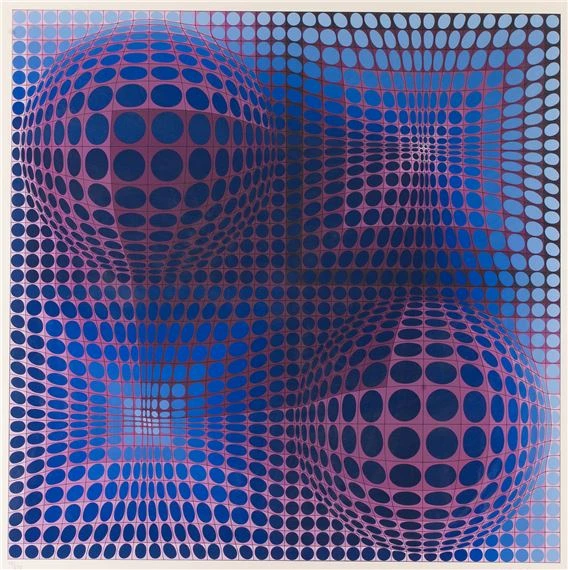
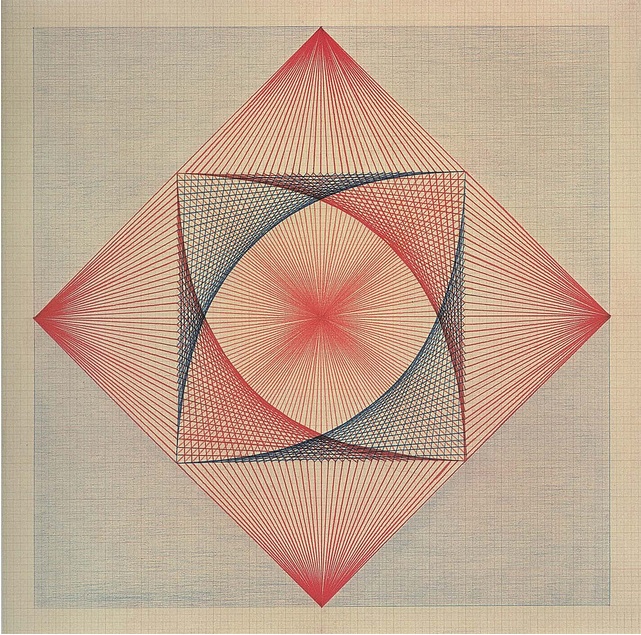
Op art uses precise geometric structures and strong contrasts, creating visual illusions such as vibration and rotation through repetitive changes in lines and colors.
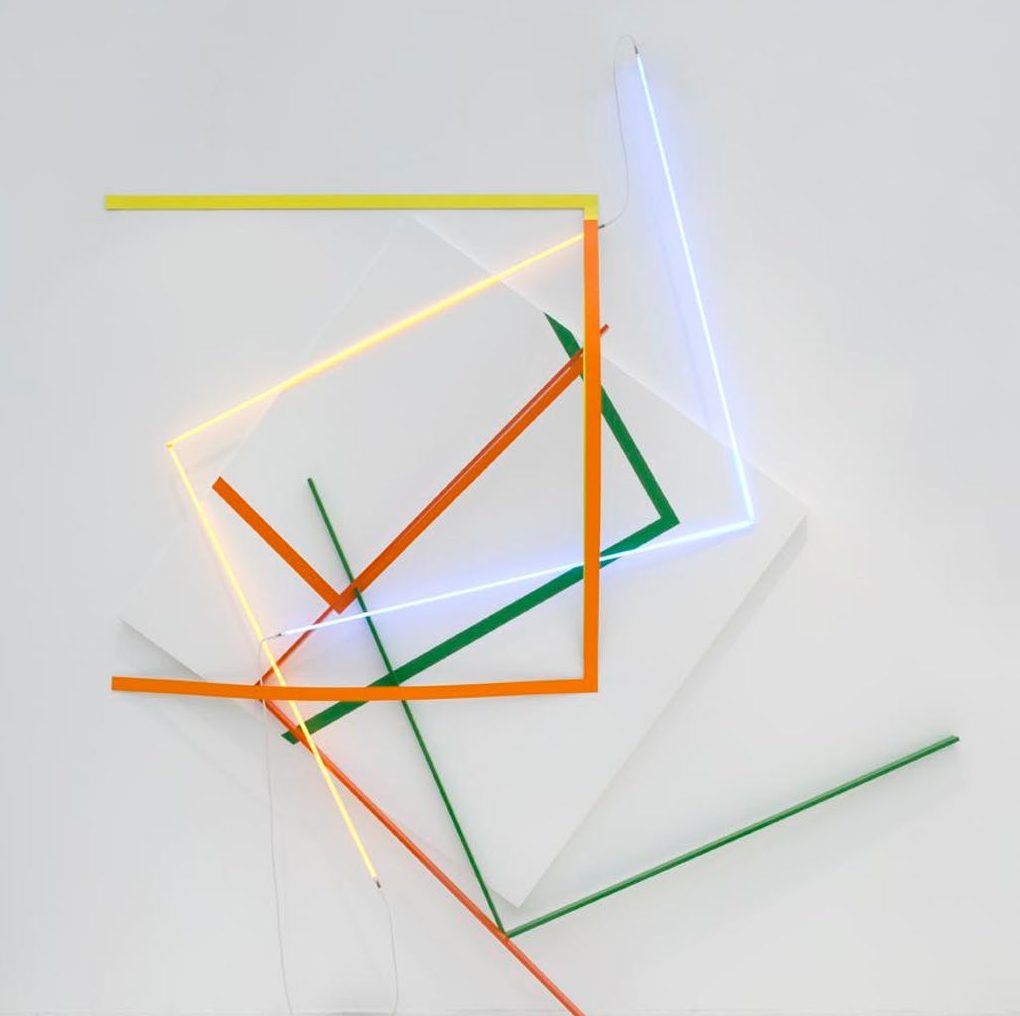
Composed art emphasizes the arrangement, proportion, and structural relationships between geometric units, forming stable and rhythmic compositions through repetition, superposition, and order.
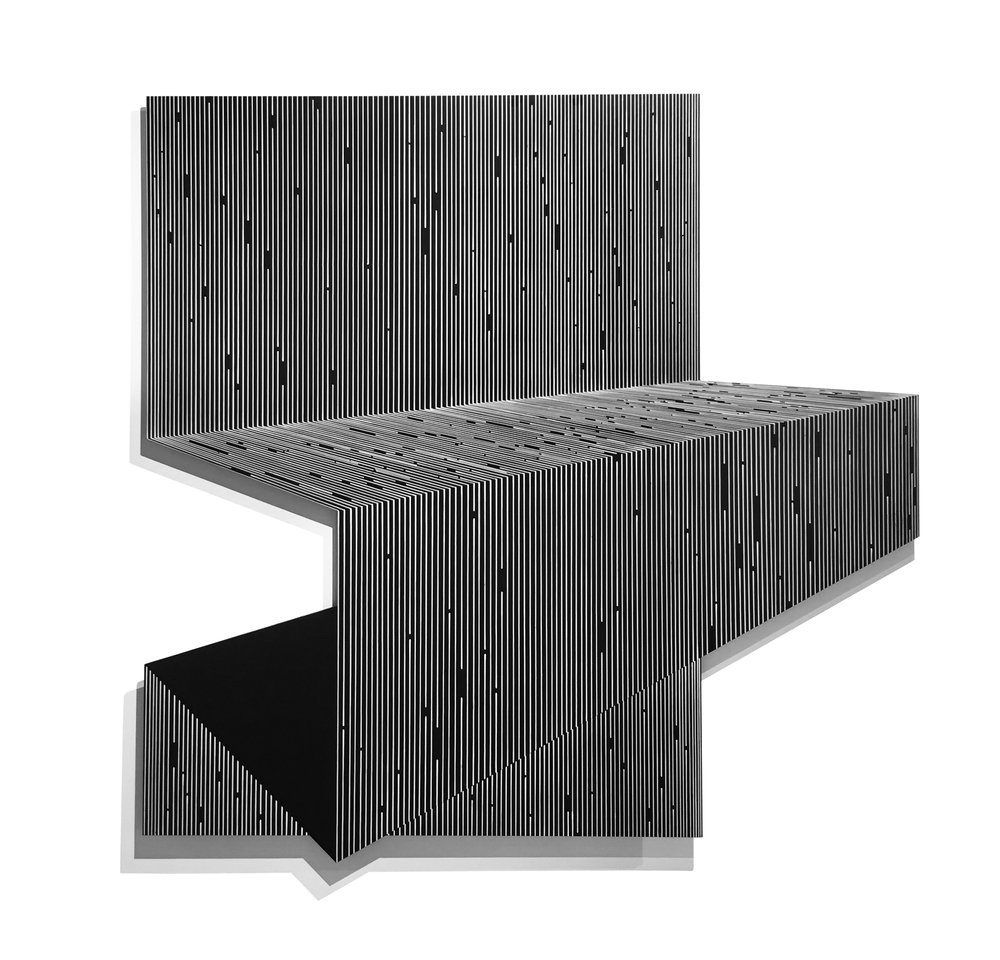
Digital integration generates geometric structures using computer algorithms and digital media, forming complex and dynamic visual imagery through programmatic control and system changes.
D4-1, Basic Techniques and Methods Course Test
Please submit your design once. Think carefully before clicking submit. Repeated submissions will result in deduction of points affecting the award!
D4. AI Fundamental Technologies and Methods Application System
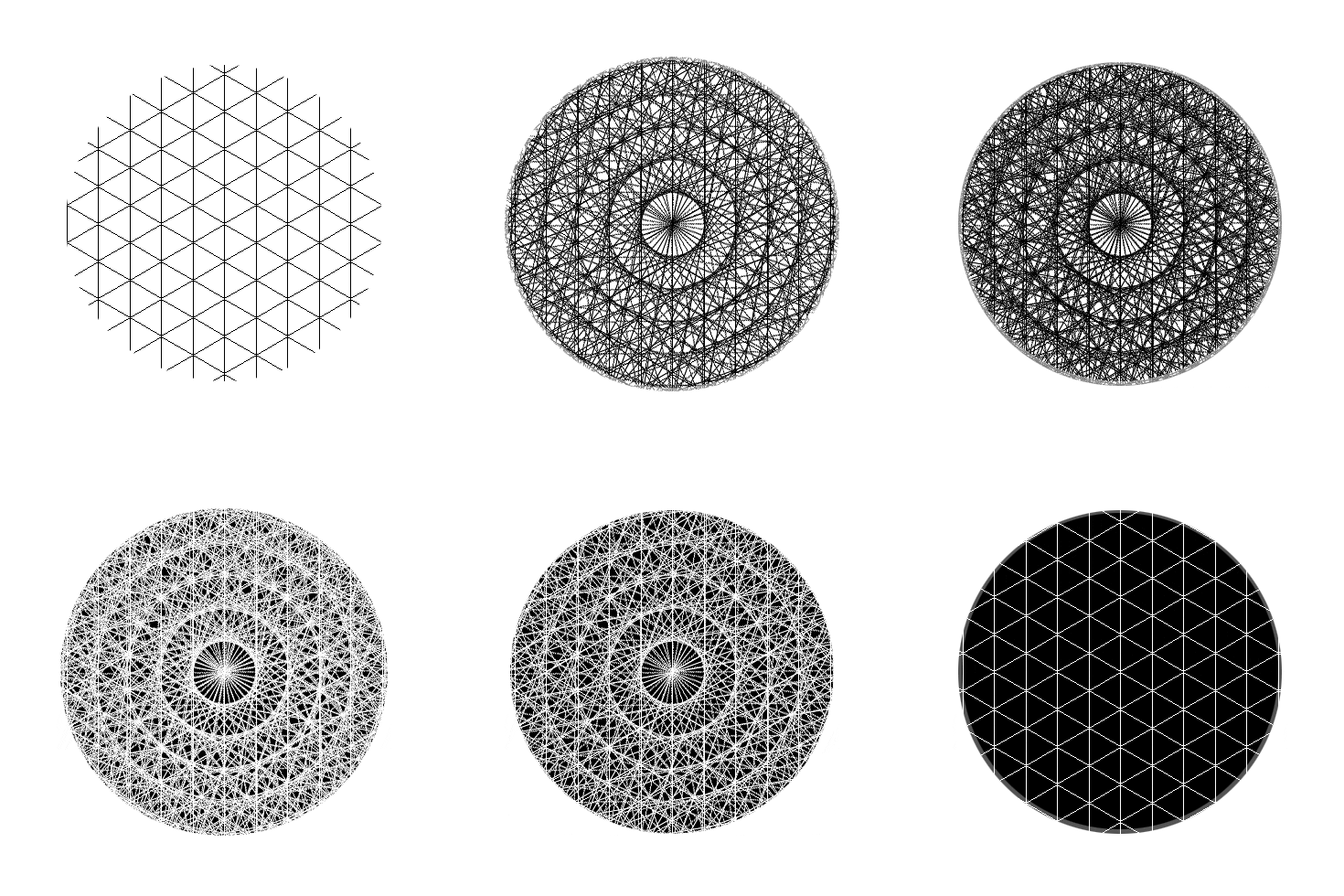
The AI overlay system combines and reconstructs multiple geometric elements layer by layer through algorithms, generating new visual order between repetition and difference, allowing complex structures to continuously evolve and expand in dynamic overlay.
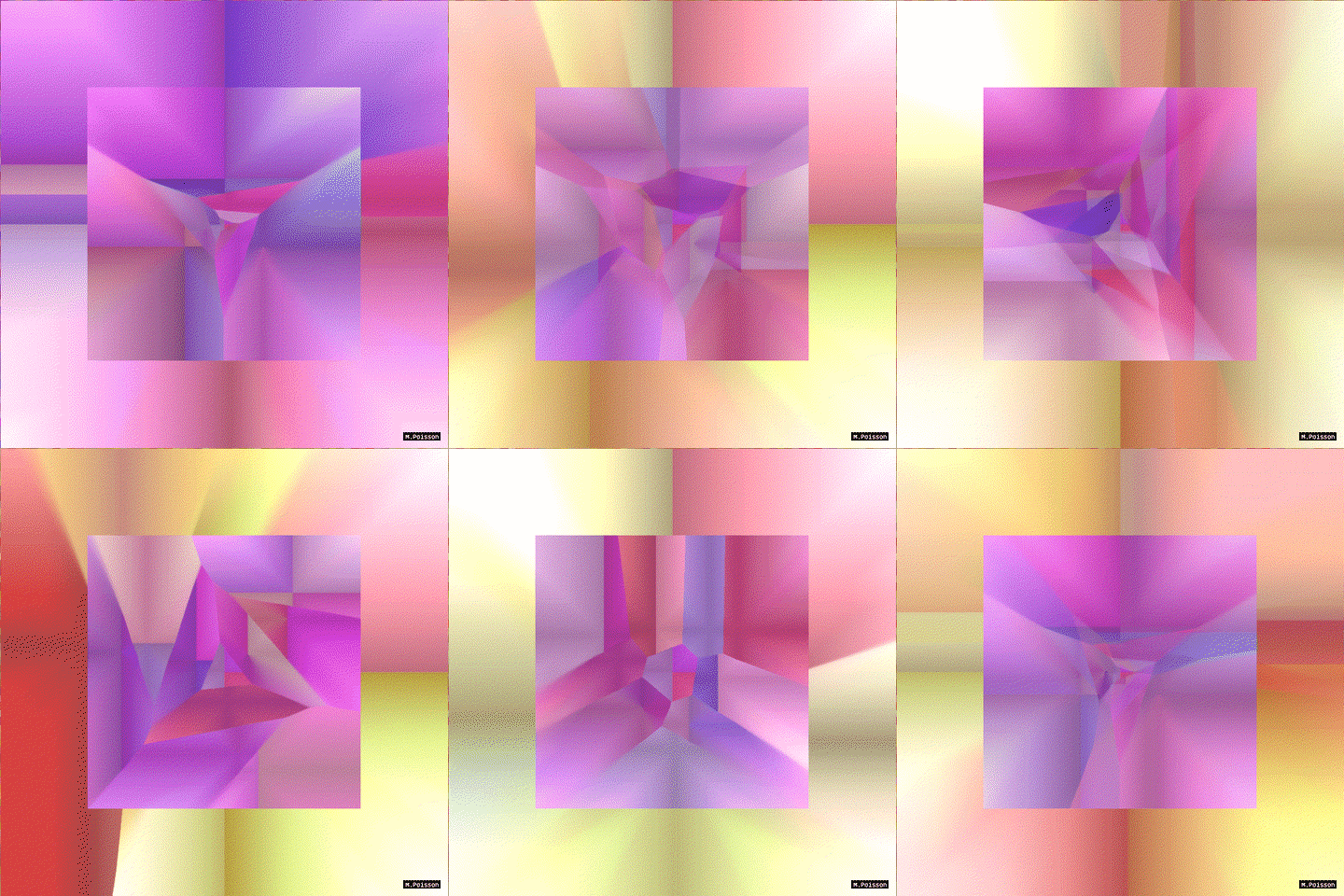
AI optical illusion parameter switching in geometric abstract art uses algorithms of scale, contrast, and displacement to create visual deviations, causing geometric forms to exhibit fluidity, vibration, and spatial misplacement effects at a perceptual level.
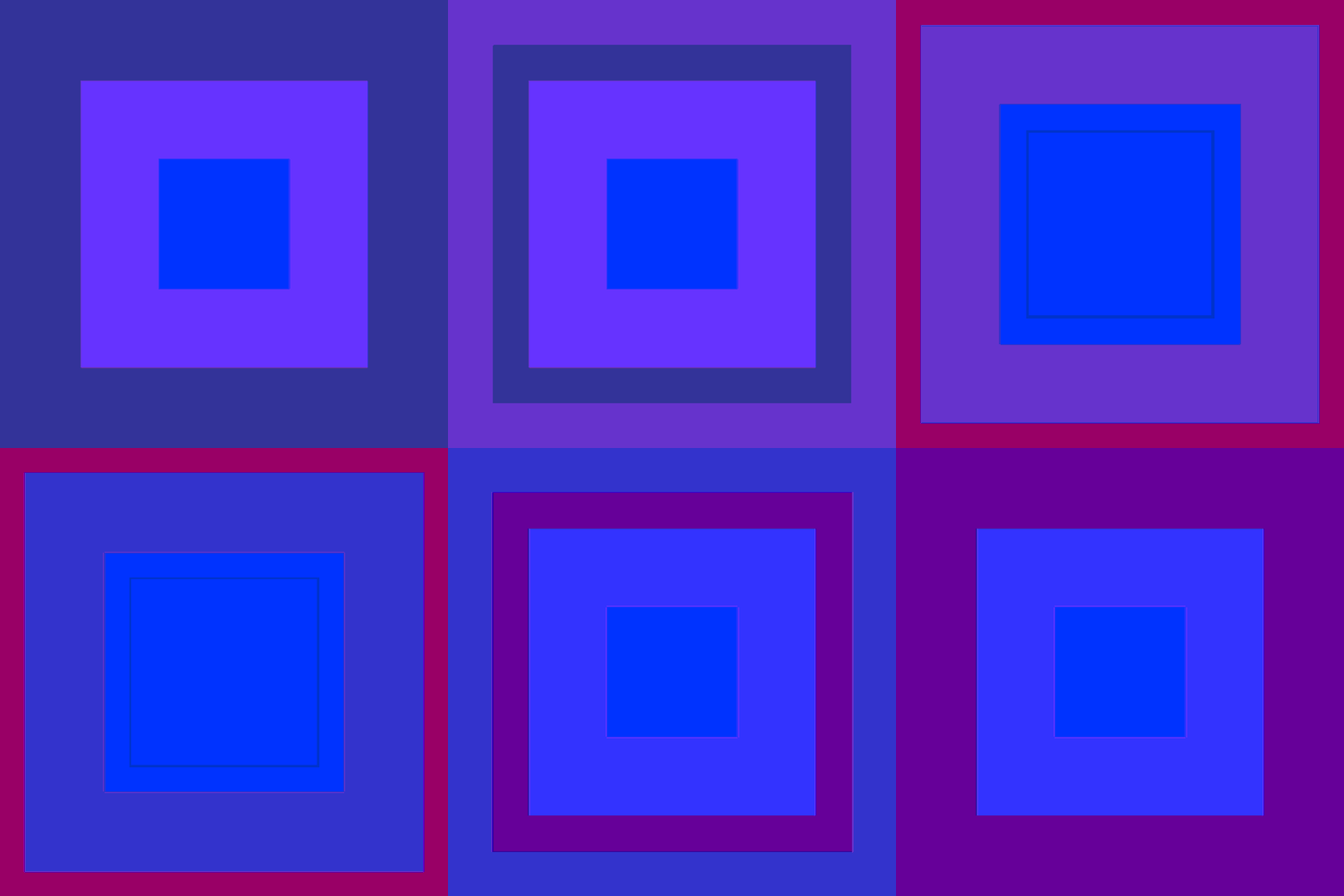
AI Graphic Composition Engine
Graphic composition exerciseInteractive organization of basic elements like focal points, lines, and planes, with a built-in rich library of geometric templates. The system optimizes the logic for moving dashed selections with keys and provides coordinate snapping functionality. Quickly perform digital practice and save schemes for the principles of visual design such as repetition, gradient, and radiation.
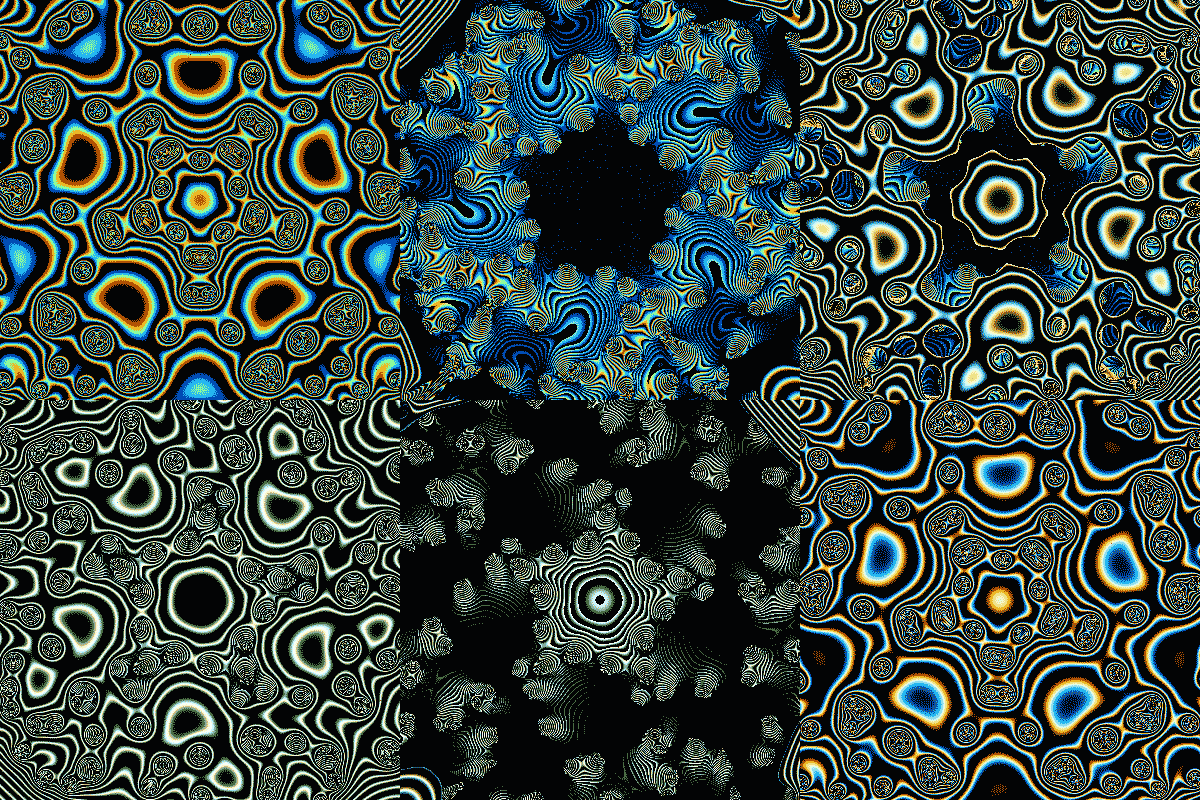
● AI Geometric Structure Simulation Engine ●
AI Geometry Structure Simulator
The AI geometric structure simulation engine constructs and deduces geometric form relationships through algorithms, simulating structural generation, combination, and change processes, enabling complex geometric systems to be analyzed, reorganized, and optimized in visual computing.
 简体中文
简体中文  English
  日本語
日本語  Español
  Français
  हिन्दी
  العربية
  বাংলা
বাংলা  Português do Brasil
  Русский
  اردو
اردو  Bahasa Indonesia
  Deutsch
  Kiswahili
  मराठी
मराठी  తెలుగు
  Tiếng Việt
  Türkçe
  Italiano
  தமிழ்
தமிழ்  한국어
한국어